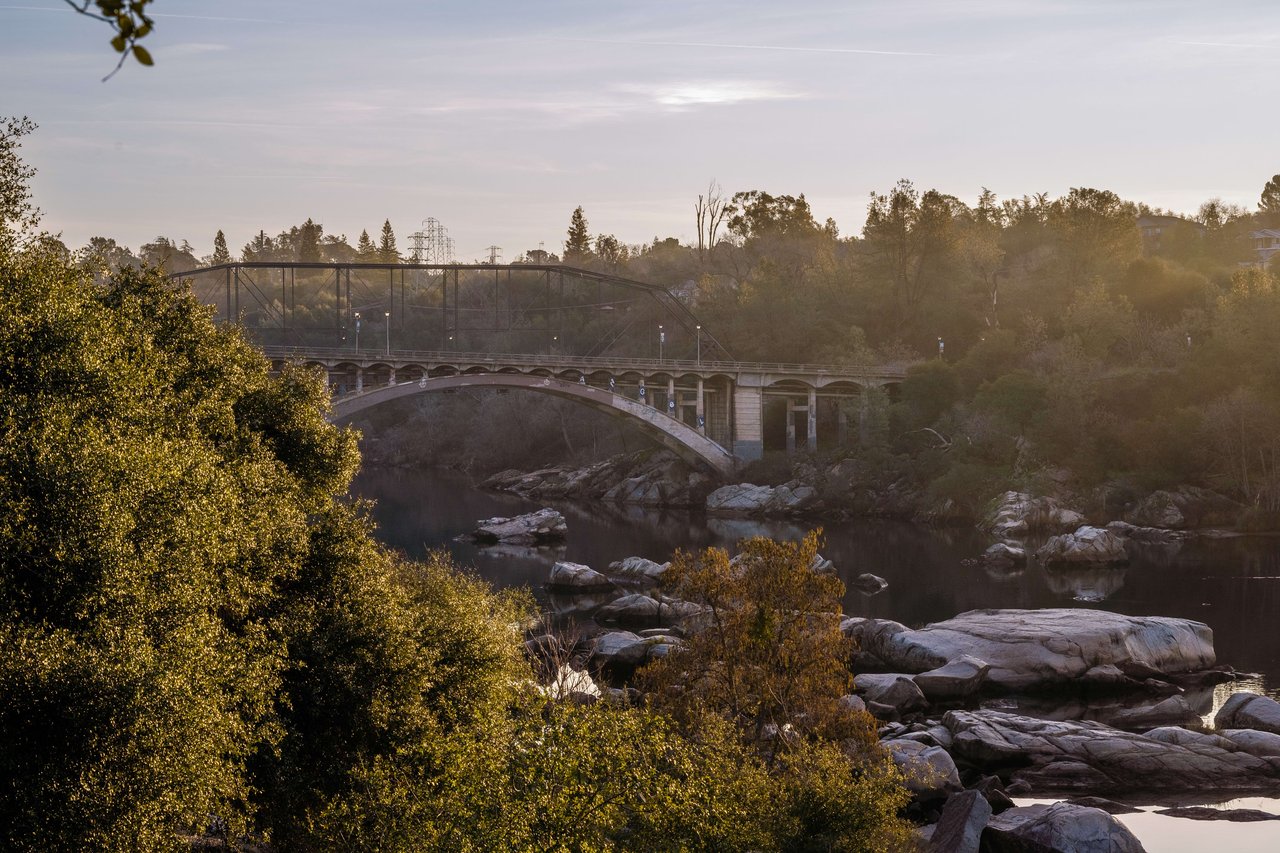
If your ideal weekend includes trail runs, paddle sessions, bike rides, or easy access to open space, where you live in Folsom can shape your daily routine in a big way. Not every part of the city offers the same mix of lake access, trail connections, and home styles, so it helps to know which areas line up with how you actually like to spend time outdoors. This guide breaks down the best Folsom neighborhood zones for outdoor enthusiasts, what makes each one stand out, and how to think about established access versus future trail growth. Let’s dive in.
Why Folsom Stands Out for Outdoor Living
Folsom offers an unusually strong recreation network for a suburban city. According to the city, Folsom has 48 parks, more than 50 miles of trails, and 980 acres of open space. The city also says nearly every home is within a half-mile of a park, which helps make outdoor time part of everyday life instead of a special trip.
The trail system is a major reason buyers look closely at Folsom. City trails run along creeks, streams, open space, woodlands, and wildlife habitat, and they also connect into bigger regional recreation assets. That means your options can range from a quick evening walk to longer bike rides and water-based recreation nearby.
What Outdoor Buyers Should Compare
Before you focus on a specific neighborhood, it helps to compare three things. The first is existing access, meaning what you can use right now without waiting on future projects. The second is planned access, which can add long-term appeal but may still be under construction.
The third is the type of outdoor experience you want most often. Some areas are stronger for access to Lake Natoma and the American River corridor, while others are better suited for newer trail-oriented planning and expanding park networks. In Folsom, that difference matters.
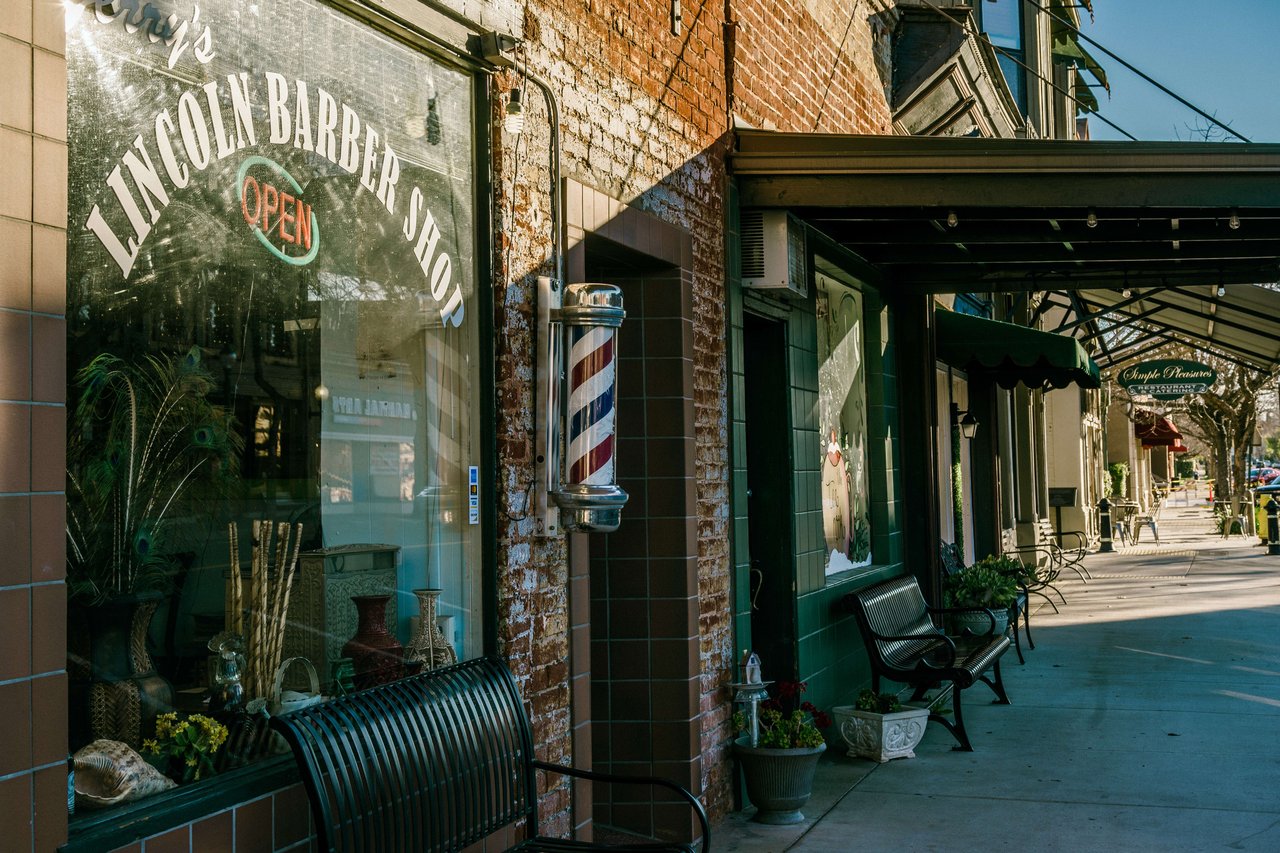
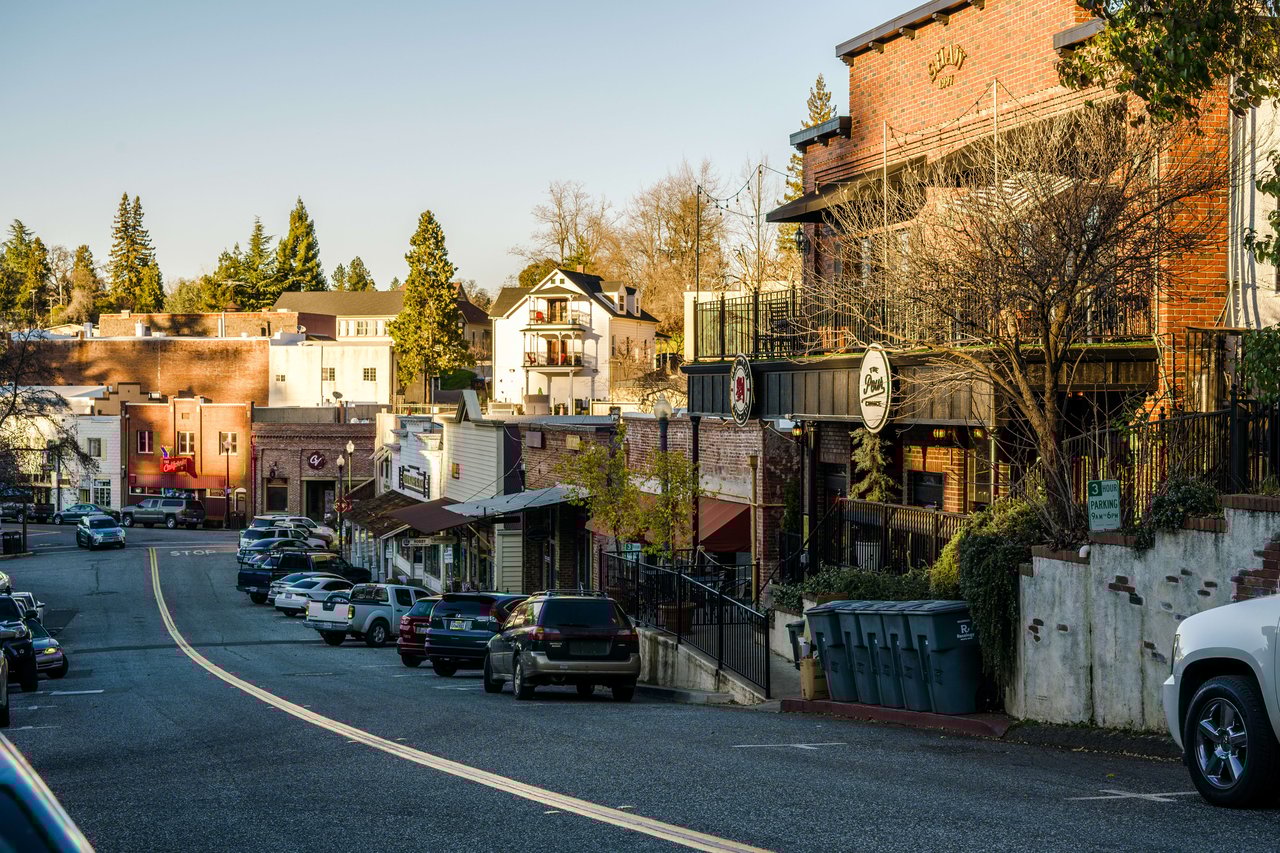
Historic Folsom and Lake Natoma Corridor
For buyers who want the strongest existing outdoor access today, the Historic Folsom, Natoma Station, and American River Canyon corridor is the clearest place to start. This zone offers close access to Lake Natoma, the Johnny Cash Trail, and the American River Parkway. If you picture stepping into an established part of town with mature surroundings and quick access to recreation, this area checks a lot of boxes.
Why this corridor appeals outdoors
The Johnny Cash Trail is one of the city’s signature connectors. Folsom describes it as a 2.5-mile trail with views of the American River and Folsom Lake, and the city notes on-demand bike lockers at the Historic Folsom and Glenn Drive stations. For buyers who want trails integrated into daily life, that is a practical plus.
This corridor also benefits from proximity to regional recreation. Sacramento County’s American River Parkway, also called the Jedediah Smith Memorial Trail, is a 32-mile multi-use trail used for biking, jogging, walking, skating, and horseback riding. Nearby water access adds even more flexibility depending on how you like to spend your weekends.
Lake Natoma versus Folsom Lake
If you are comparing outdoor zones, it helps to separate the two main water settings. Lake Natoma is primarily managed for non-motorized and slow-speed recreation, with a 5 mph limit, which supports a calmer environment for paddling and rowing. Folsom Lake State Recreation Area is the broader destination for hiking, biking, running, camping, picnicking, horseback riding, waterskiing, and boating.
That difference can shape your home search more than you might expect. If you prefer quiet water and easy paddle access, this corridor stands out. If you want a wider mix of boating and larger recreation areas, being near Folsom Lake may matter more.
What the homes feel like
Housing in this corridor tends to be more established than in newer parts of Folsom. You will find a mix of historic-era detached homes, selective infill, and smaller residential forms. Natoma Station is a large established residential area, and the city’s 2025/26 engineer’s report counts 1,272 single-family residential lots there, while American River Canyon North No. 3 includes 1,022 residential lots in the city’s 2026/27 report.
Historic Folsom has a distinct feel, but buyers should understand the added design-review layer. The city applies extra design rules in the Historic District for exterior changes, additions, ADUs, fencing, roofing, and signage. If you love character and location, that may be well worth it, but it is smart to go in with clear expectations.
Willow Creek and Broadstone Corridor
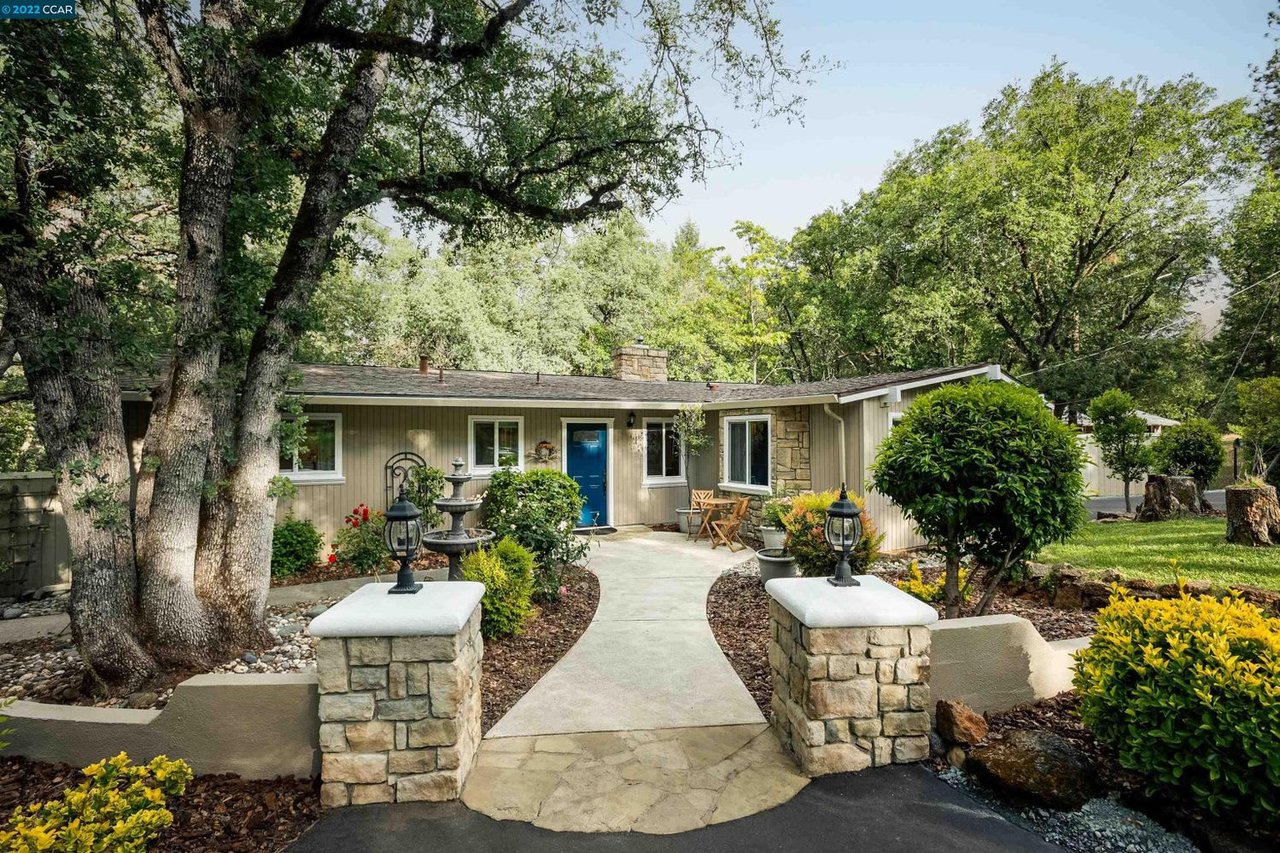
If you want an established suburban setting with parks and improving trail connectivity, the Willow Creek Estates South, Willow Springs, and Broadstone-Iron Point corridor deserves a close look. This area offers a more settled neighborhood pattern while still tying into the city’s expanding Class I trail network. For many buyers, it sits in a practical middle ground between lake-adjacent established areas and the newest construction farther south.
Why this corridor matters for trails
The city’s current project information points to meaningful trail and park improvements in this zone. The planned Folsom-Placerville Rail Trail will connect Iron Point Road to the Humbug-Willow Creek Trail, fill a critical gap in the city’s Class I network, and become the only Class I trail connection to the Folsom Plan Area. That makes this corridor important not just on its own, but also as part of Folsom’s broader long-term trail map.
The city also references the Humbug Willow Creek Parkway Master Plan and design guidelines for properties near Humbug Creek and Willow Creek open spaces. For outdoor-minded buyers, that signals continued attention to how neighborhoods connect with surrounding natural areas. This is especially useful if you value greenbelt and trail adjacency as part of your home search.
What the neighborhood pattern looks like
Willow Creek Estates South is predominantly single-family. The city’s 2025/26 engineer’s report counts 1,101 single-family residential lots in the main villages, plus 243 and 64 additional single-family lots in other villages. Broadstone and Willow Springs are located in the Alder Creek Watershed, and the city notes that development south of Highway 50 includes new homes, businesses, roads, protected open space, and parks.
This corridor may be a strong fit if you want a neighborhood that already feels established but still benefits from city investment in parks and trails. It does not lean as historic as the Lake Natoma corridor, and it is not as new as Folsom Ranch. That balance is part of its appeal.
Folsom Ranch and the Folsom Plan Area
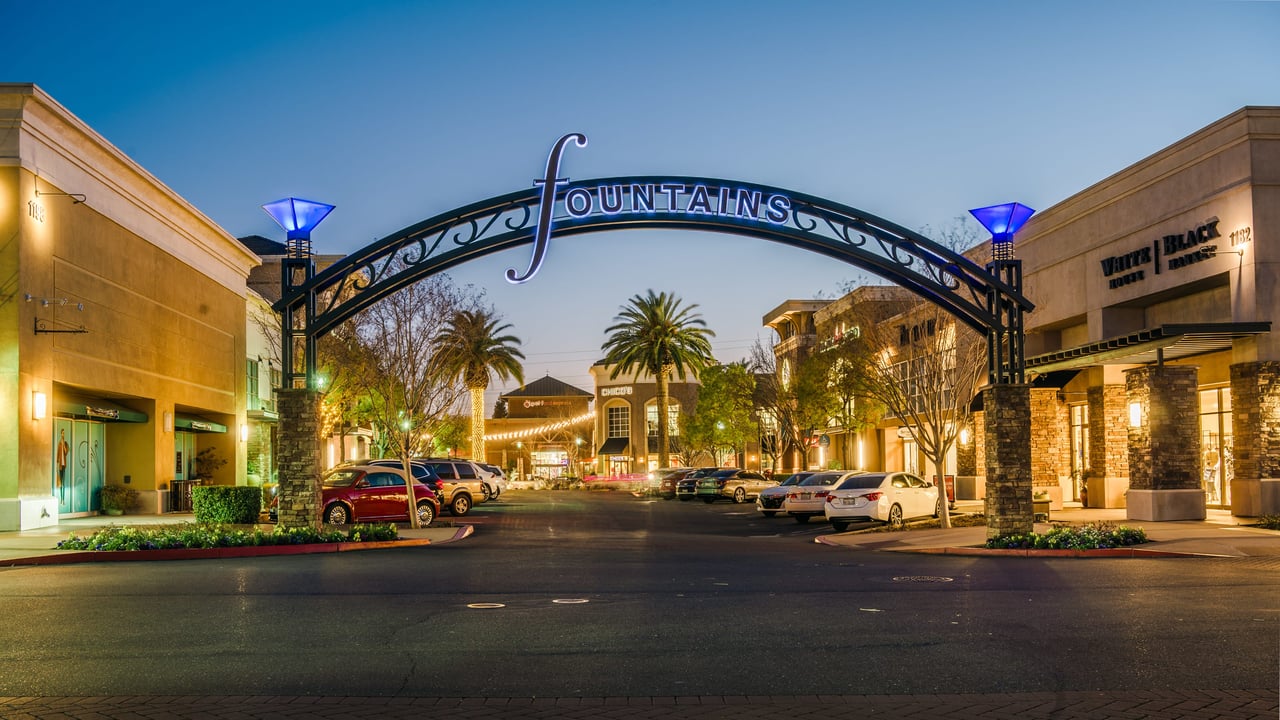
If your priority is newer construction and future-oriented outdoor planning, Folsom Ranch and the larger Folsom Plan Area should be on your list. This is Folsom’s newest community area, spanning 3,520 acres bounded by Highway 50, White Rock Road, Prairie City Road, and the El Dorado County line. The first homes here were occupied in 2019, so the housing stock feels distinctly newer than in the city’s older outdoor corridors.
Why outdoor buyers watch this area closely
Trail access is one of the biggest reasons this zone stands out. The city says more than 30 miles of trails are planned in the Folsom Plan Area, and current projects include roughly three-mile Class I trails in Mangini Ranch and Regency, along with the Folsom-Placerville Rail Trail and Highway 50 undercrossing work. Those projects are expected to complete the Plan Area’s only planned Class I trail connection.
That said, it is important to separate current access from future access. Some trail segments and connections are still being built out, so this area is best viewed as a strong long-term outdoor zone with growing infrastructure. If you are comfortable buying into an area that is still maturing, the upside may be compelling.
Parks and newer neighborhood options
Prospector Park opened in 2024, adding to the area’s recreation appeal. The city also notes that the first fire station south of Highway 50 came online in 2024, which reflects the pace of broader community buildout. Current neighborhoods in the Plan Area include Broadstone Estates, Enclave at Folsom Ranch, Folsom Heights, Mangini Ranch, Russell Ranch, and White Rock Springs Ranch.
Home options here are more varied than in Folsom’s older lake-adjacent areas. The FPA Specific Plan says SP-SF is intended for individually owned detached homes, while SP-SFHD supports attached and detached single-family options and is designed to improve walking and cycling. City housing documents also show Enclave at Folsom Ranch as a 111-unit single-family neighborhood and Toll Brothers at Folsom Ranch as a 1,225-unit project with 1,058 single-family units and 167 attached townhomes.
How to Choose the Right Outdoor Zone
The best Folsom neighborhood for outdoor living depends on what you want to do most often and how you want your home to feel. If you want immediate access to major recreation assets, the Historic Folsom, Natoma Station, and American River Canyon corridor is the strongest first stop. If you want newer homes and are comfortable with some trail connections still taking shape, Folsom Ranch may be the better match.
If you want a more established suburban setting with good park access and growing trail connectivity, Willow Creek, Willow Springs, and Broadstone are worth serious consideration. This is often where buyers find a comfortable middle option. You are not choosing just a house here. You are choosing how easy it will be to get outside on an ordinary Tuesday.
A Smart Way to Tour Folsom
If you are planning a home search around outdoor access, a practical tour order is to start with the Historic Folsom and Lake Natoma corridor, then explore Folsom Ranch and the Folsom Plan Area, and finish with the Willow Creek and Broadstone corridor. That order helps you compare the strongest current access first, then the most future-oriented area, then the established neighborhoods tied to the city’s growing trail system.
Seeing those zones in person can clarify your priorities fast. Some buyers realize they care most about immediate water access and mature surroundings. Others decide that new construction and expanding trail infrastructure are the better fit for how they want to live over the next several years.
If you are weighing Folsom neighborhoods and want practical guidance on how trail access, home style, and long-term location value fit together, Brian Perry & Brian Perry Real Estate Group can help you narrow the search with local insight and a concierge-level approach.
FAQs
Which Folsom neighborhoods have the best existing trail access for outdoor enthusiasts?
- The Historic Folsom, Natoma Station, and American River Canyon corridor offers the strongest existing access to Lake Natoma, the Johnny Cash Trail, and the American River Parkway.
What is the difference between Lake Natoma and Folsom Lake in Folsom?
- Lake Natoma is geared toward non-motorized and slow-speed recreation with a 5 mph limit, while Folsom Lake supports a broader mix that includes boating, waterskiing, camping, hiking, and biking.
Is Folsom Ranch a good choice for buyers who want outdoor amenities?
- Yes, especially if you want newer construction and are comfortable with some trail segments and Class I connections still being completed in the Folsom Plan Area.
What should buyers know about homes in Historic Folsom?
- Homes in Historic Folsom may be subject to added city design review for exterior changes, additions, ADUs, fencing, roofing, and signage.
Which Folsom area offers established neighborhoods with growing trail connections?
- The Willow Creek Estates South, Willow Springs, and Broadstone-Iron Point corridor offers established single-family neighborhoods with park access and improving connections through planned Class I trail projects.
How many parks and trails does Folsom have for outdoor recreation?
- The city says Folsom has 48 parks, more than 50 miles of trails, and 980 acres of open space.