Wondering if that Auburn view is worth the premium? If you are considering a hillside or view home here, the answer often depends on much more than the photo-worthy outlook. You need to know how the lot lives day to day, how the slope affects maintenance, and how local factors like drainage, wildfire resilience, and utility setup may shape your ownership experience. Let’s dive in.
Why Auburn Feels Different
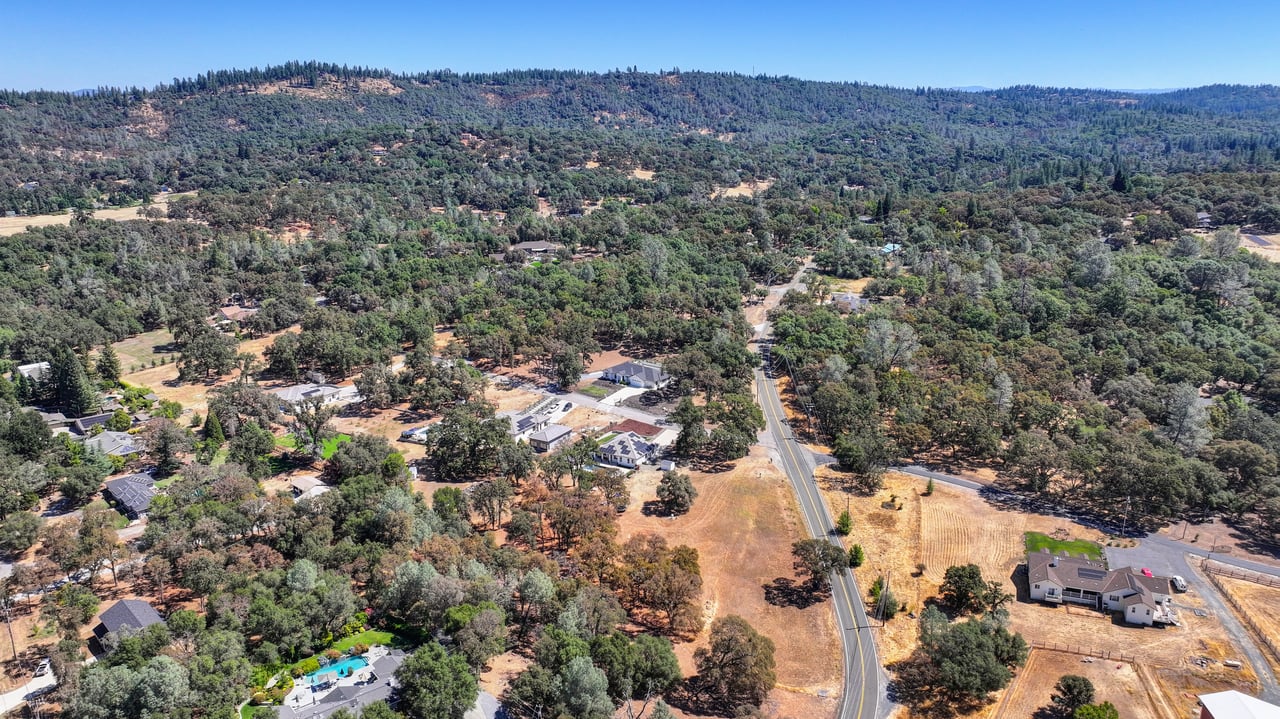
Auburn is not built like a flat suburban grid. The city sits in the Sierra Nevada foothills at about 1,300 feet, near the American River Canyon and Auburn State Recreation Area, so elevation, sun exposure, and view corridors matter in a very real way.
That terrain is a big part of Auburn’s appeal. Outdoor access is woven into everyday life here, with Auburn State Recreation Area offering hiking, river access, boating, fishing, camping, mountain biking, horse trails, and whitewater recreation, while Hidden Falls Regional Park adds more trails, waterfalls, and canyon outlooks.
For many buyers, that means a hillside home is not just about the house. It is also about how closely your property connects to the foothill setting and the recreation that makes Auburn unique.
What Adds Value to a View Home
A great view can add real value, but not all views carry the same long-term appeal. Research shows that view premiums vary by market and by the quality and visibility of the view, and that nearby development can reduce value if the view is later obstructed.
That is why it helps to think beyond the showing. A dramatic outlook from one corner of a deck may be nice, but the more important question is whether the main living spaces you use every day actually capture that view.
Focus on view durability
When you tour a hillside property, look at how durable the view appears to be. Ask yourself whether the sightline feels protected by topography, lot placement, or surrounding development patterns, or whether it could change over time.
You also want to pay attention to where the view shows up inside the home. A view from the kitchen, family room, primary bedroom, or a well-oriented patio often has more everyday value than a view that only appears from a side window or the far edge of a backyard.
Usable space matters too
Auburn buyers sometimes fall in love with the view first and notice the lot layout second. That can be risky if the outdoor areas are steep, chopped up by retaining walls, or difficult to use.
A premium view home often balances outlook with function. In practical terms, that means looking for outdoor spaces where you can actually sit, entertain, garden, or relax without feeling like the whole lot is sloped away from you.
Sun, Shade, and Orientation in Auburn
Orientation matters in Auburn because the terrain changes from slope to slope. California State Parks notes that south-facing upper canyon walls support chaparral while north-facing upper canyon walls support mixed conifer, which is a useful reminder that sun and shade conditions can change quickly from one home site to the next.
For you as a buyer, this affects comfort as much as appearance. Auburn SRA summers range from the high 80s to mid-90s, while winters are wet, with highs in the mid-50s and lows in the 30s to low 40s, so patio orientation, summer shade, and drainage can make a noticeable difference.
What to look for during a tour
As you walk a property, try to picture how it feels at different times of day and in different seasons. Morning light, afternoon heat, and the amount of natural shade can all affect how enjoyable the home feels over time.
Pay special attention to:
- The direction the main living area faces
- Whether patios get harsh afternoon sun or comfortable shade
- How much natural light reaches the interior
- Whether landscaping appears suited to the slope and sun exposure
- How water may move across the lot during wet weather
Slope, Grading, and Drainage Basics
Hillside homes ask you to think differently about the land under the house. USDA soil data for the Auburn series describes hills with slopes ranging from 2% to 75%, and the City of Auburn’s hillside design guidelines indicate that development is generally planned for slopes up to 20%, with added design measures when terrain is steeper.
That does not mean a steeper lot is automatically a problem. It does mean you should take grading, retaining walls, drainage improvements, and overall site design seriously.
Why contour-sensitive design matters
Auburn’s hillside guidance emphasizes working with natural contours, limiting grading where practical, and using retaining walls selectively. In plain terms, the best hillside properties often feel like they fit the land rather than overpower it.
When a home is thoughtfully placed on the site, it can improve function and reduce future headaches. When a lot feels overworked or forced into shape, that may raise questions about maintenance, runoff, or long-term usability.
Questions to ask about the lot
Before you get too attached, ask practical questions such as:
- How much usable flat area is there?
- What grading has been done?
- Are there retaining walls, and if so, where?
- How is drainage managed around the home?
- Does the outdoor layout feel easy to maintain?
These are not minor details on a hillside parcel. They are central to how the property performs.
Wildfire Resilience Should Be a Top Priority
In Auburn, wildfire resilience is not a side topic. The City of Auburn’s planning resources include Fire Hazard Severity Zone maps, a Vegetation Management Plan, and Ember Resistant Zone requirements, while the city’s defensible-space guidance is organized into Zone 0, Zone 1, and Zone 2. CAL FIRE also states that 100 feet of defensible space is required by law in applicable areas.
For buyers, this means you should evaluate both the setting and the home itself. A beautiful foothill lot can come with added maintenance responsibilities that are important to understand before you buy.
What to review carefully
Look closely at the visible signs of ongoing fire-wise upkeep. That includes roof and gutter maintenance, vegetation clearance, and the condition of the area immediately around the home.
As you tour, consider asking about:
- Defensible-space work already completed
- Roof and gutter cleaning routines
- Vegetation clearance practices
- The home’s immediate ember-resistant zone
- Any recent fire-hardening updates
A well-maintained property may give you a better sense of what ownership will require and whether the current owner has treated wildfire resilience as an ongoing priority.
Utilities Can Vary by Property
Not every Auburn-area hillside or foothill property has the same utility setup. Placer County notes that septic systems are required where public sewer is not available, and the county’s utilities report says private wells may be permitted for rural residences without public drinking water access.
That is why utility questions should come early, not late. A home on city services may offer one ownership experience, while a property with septic or a private well may involve a different level of monitoring and record review.
If the home has septic or a well
Ask for clear documentation. If the property uses septic, request permit history, pump records, and information about any repair area.
If the property uses a private well, ask about testing, pump age, and permit records. These details help you understand the system, its condition, and the practical side of owning a more rural-style property.
In-Town Auburn vs Hillside Auburn
Some buyers come to Auburn expecting one type of housing and discover two very different paths. In-town areas are shaped in part by historic preservation, with the Historic Design Review Commission reviewing projects in Old Town and the Downtown Historic District, and some properties may qualify as historic because of architectural or historical significance.
That can mean a lot of character, but it may also mean design review considerations and older building stock. Hillside and view neighborhoods usually trade those historic considerations for topographic ones, with design guidance focused more on fitting homes to the terrain.
Which lifestyle fits you better?
If you want convenience to historic-district amenities and civic services, in-town Auburn may feel like the better match. If you are drawn to outlooks, privacy from adjoining development, and immediate access to canyon recreation, a hillside setting may be more appealing.
Neither option is better across the board. The right fit depends on how you want to live, what kind of maintenance you are comfortable with, and whether the setting supports your daily routine.
A Smart Touring Checklist
When you tour a hillside or view home in Auburn, it helps to stay grounded in the details that affect long-term value and enjoyment. A beautiful first impression matters, but so does how the property functions after move-in.
Use this quick checklist as you compare homes:
- Which rooms and outdoor spaces actually capture the view?
- How durable does the view appear to be?
- What direction does the home face?
- How much morning sun, afternoon heat, and natural shade does the lot get?
- How much usable outdoor space is truly flat and functional?
- What grading, retaining walls, or drainage work is visible?
- What wildfire mitigation work appears to be in place?
- Is the property on city water and sewer, or septic and/or a private well?
- How close is the home to trails, parks, and everyday amenities?
This kind of checklist can keep you focused on the full ownership picture, not just the scenery.
Buying With Local Guidance Matters
Auburn hillside homes can be rewarding, but they ask more of a buyer than a simple drive-by impression. You are evaluating the home, the land, the view, and the way those elements work together in a foothill setting.
If you want help sorting through those variables, local guidance can make the process clearer. The goal is not just to find a beautiful property. It is to find one that fits your lifestyle, your risk tolerance, and your long-term plans in Auburn.
If you are considering a hillside or view home in Auburn and want a thoughtful, concierge-level approach, Brian Perry & Brian Perry Real Estate Group can help you evaluate the details that matter most.
FAQs
What makes buying a hillside home in Auburn different from buying a flat-lot home?
- Auburn hillside homes often require closer attention to slope, drainage, grading, retaining walls, sun exposure, wildfire resilience, and utility setup.
Why is view durability important when buying a view home in Auburn?
- A strong view may add value, but that value can depend on how visible the view is from main living spaces and whether nearby development could obstruct it later.
What should you ask about wildfire readiness for an Auburn hillside property?
- Ask about defensible-space maintenance, vegetation clearance, roof and gutter upkeep, and any ember-resistant or fire-hardening improvements.
How does lot orientation affect an Auburn view home?
- Orientation can affect natural light, summer heat, shade, landscaping conditions, and how comfortable indoor and outdoor spaces feel throughout the year.
Are some Auburn hillside homes on septic systems or private wells?
- Yes. In some rural or foothill areas where public utilities are not available, properties may rely on septic systems and private wells.
Is in-town Auburn or hillside Auburn better for your lifestyle?
- In-town Auburn often emphasizes convenience to historic-district amenities and civic services, while hillside Auburn often emphasizes outlooks, privacy, and access to canyon recreation.