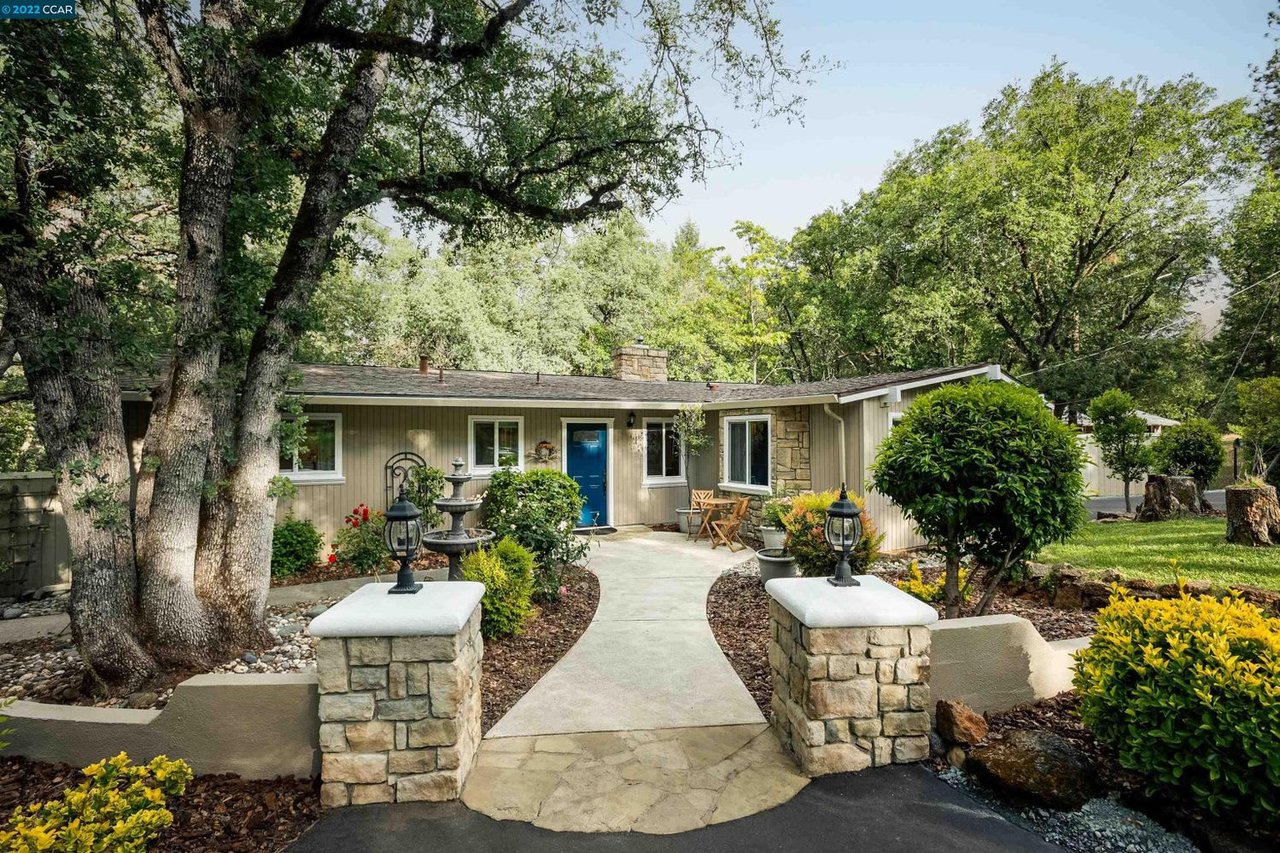
Two three-bedroom homes go under contract in Rocklin the same week. Same square footage give or take, same price per square foot almost to the dollar, same Rocklin Unified school boundaries. One sits in an established neighborhood near Pacific Street, close to the old quarry footprint. The other sits in Whitney Ranch, on land that was graded and filled within the last two decades. On paper, the market treats them as interchangeable. Underneath, they are not standing on the same ground, and that difference rarely shows up until the inspection report lands in your inbox.
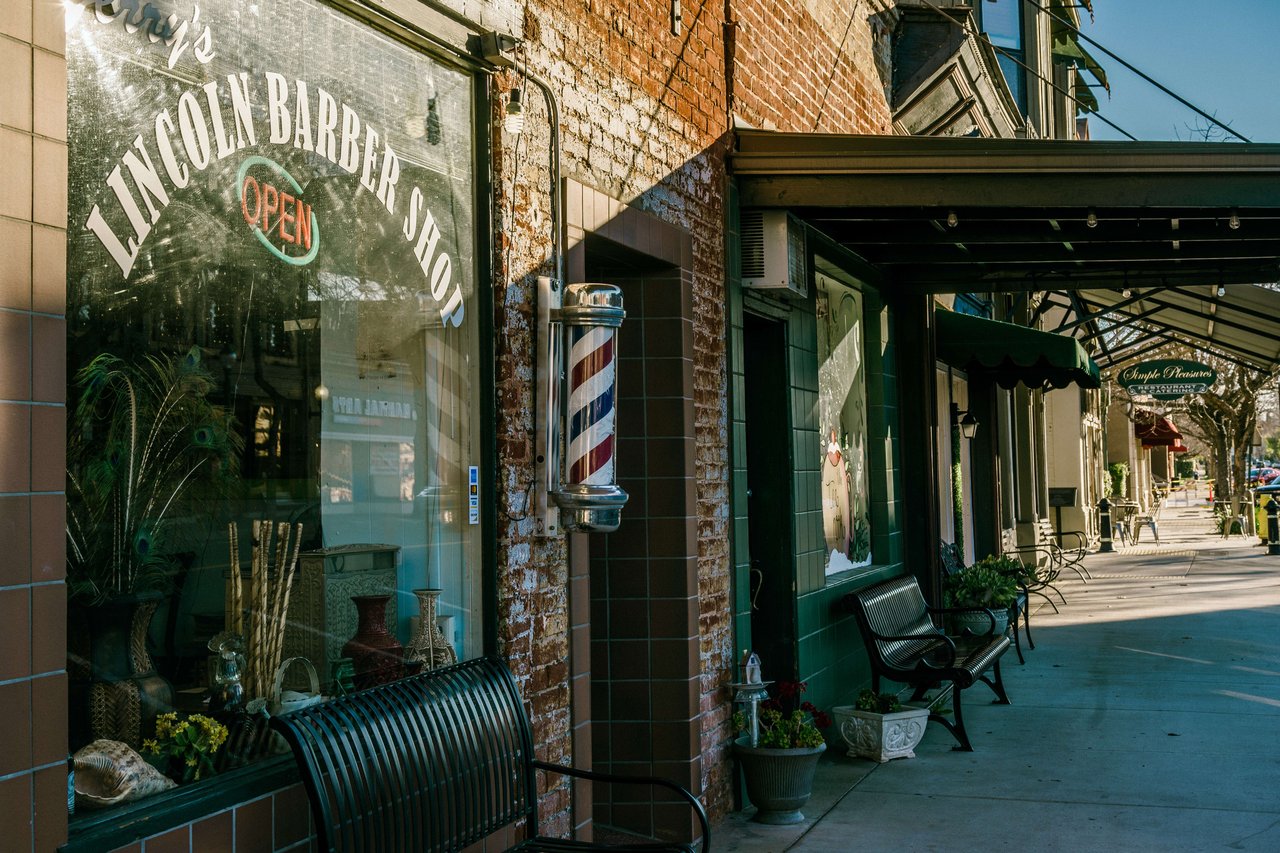
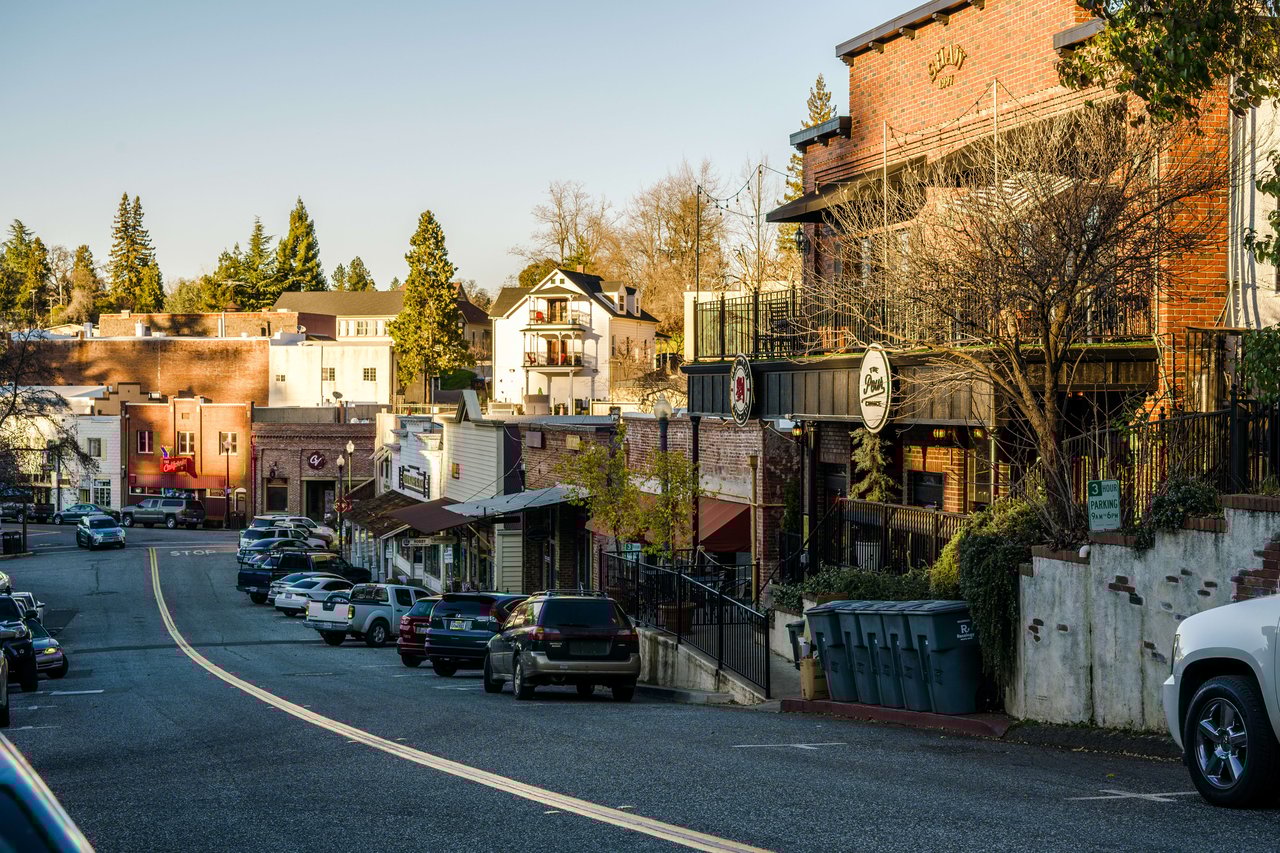
Rocklin's name comes from its rock. Granite quarried here in the 1800s ended up in landmarks across the country, including the Bank of Italy, Bank of America, and the U.S. Mint. That same granite bedrock still sits close to the surface in parts of the city, visible today at Quarry Park Adventures, where climbers now scale the walls of a working quarry. But most of Rocklin's housing stock was not built on that bedrock. It was built between the 1990s and 2010s in planned communities like Whitney Ranch, Stanford Ranch, and Sunset Whitney, on land that was graded, filled, and engineered to hold a subdivision rather than left as it was. Much of that land carries clay-heavy soil that swells with winter rain and shrinks in summer heat, and that seasonal movement is what pushes and pulls on a foundation year after year.
So Rocklin is really two soil stories wearing one city name, and the market has not fully priced in the difference between them.
The number that should make you pause
As of March 2026, Rocklin's citywide median sale price stood at $705,000, up 8.0 percent year over year. Central Rocklin, the older submarket closer to the original quarry ground, sold for a median of $590,000 over the three months ending in June 2026, down 5.6 percent from the same period a year earlier.
That $115,000 gap looks like a simple story about age and size. Older homes, smaller lots, lower price. Except the price per square foot tells a different story. Citywide, Rocklin homes have recently sold for roughly $341 per square foot, down 6.4 percent from a year earlier. In Central Rocklin, the figure was $344 per square foot over the three months ending in June 2026, down 6.1 percent year over year. The two submarkets are pricing almost identically on a per-square-foot basis. The gap in total price is being driven by size and lot, not by any discount the market is applying for what sits underneath the slab.
In plain terms: buyers are not paying less per square foot in Central Rocklin because appraisers or agents think the ground is riskier. They are paying less because the homes are smaller. Whatever soil-related risk exists on either side of town, the market has not built it into the price yet. That means the work of finding it falls entirely on inspection, not on the listing price.
What the two soils actually mean for a house
| Central Rocklin (near original quarry ground) | Whitney Ranch, Stanford Ranch, Sunset Whitney (graded/filled land) | |
|---|---|---|
| Typical construction era | Older housing stock, closer to bedrock | Built mostly 1990s to 2010s on engineered fill |
| Ground condition | Granite bedrock often close to the surface | Clay-heavy soil that expands and contracts seasonally |
| Common concern at this age | Original mortar and masonry joints starting to age | Soil movement against slab foundations |
| Recent median sale price | $590,000 (3 months ending June 2026) | Part of citywide $705,000 median (March 2026) |
| Price per square foot | $344 | $341 citywide |
Neither soil type makes a home unsellable, and neither one is a reason to rule out a neighborhood. Homes on filled, clay-heavy lots get built successfully across California every year. But the two conditions create different maintenance rhythms, and a buyer who does not know which one they are looking at is negotiating half blind.
What actually shows up during an inspection
Foundation issues in Rocklin tend to announce themselves the same way regardless of which side of town you are on: diagonal cracks above doors and windows, doors that suddenly start sticking, gaps opening between trim and ceiling, and in more advanced cases, staircase-pattern cracks running through exterior brick. On clay-heavy lots, these signs often trace back to seasonal soil movement. On older, bedrock-adjacent lots, they are more likely tied to aging mortar and masonry that is now old enough to need attention.
A standard foundation inspection in Rocklin runs $400 to $960. If a licensed inspector flags real movement, a structural engineer's report is typically another $300 to $600, and it is worth getting one for any recommended repair over $8,000, since that report is what tells you whether you are looking at a $1,500 crack injection or a full perimeter underpinning job. Actual repair costs in Rocklin typically land between $8,000 and $45,000, with the average project closer to $26,500. That is not a rounding error in a purchase negotiation. It is a number that can change what a buyer is willing to offer or what a seller needs to disclose before that offer ever comes in.
One more detail worth knowing before you assume a fix is simple: the City of Rocklin generally requires a permit for structural work like foundation repairs, significant chimney rebuilds, or taller retaining walls, while cosmetic repairs such as tuckpointing usually do not need one. If a seller mentions past foundation work, ask to see the permit record, not just the invoice.
The disclosure gap nobody mentions
California requires sellers of one to four unit properties to complete a Transfer Disclosure Statement covering known material facts about the property, including structural components. Separately, state law requires a Natural Hazard Disclosure Statement, but that document only covers six specific mapped zones: flood, dam inundation, very high fire hazard severity, wildland fire, earthquake fault, and seismic hazard zones for liquefaction or landslide.
Expansive clay soil and routine foundation movement are not one of those six categories. A "No" on every line of the Natural Hazard Disclosure Statement tells you nothing about whether a Whitney Ranch lot sits on fill that shifts every winter. That fact only makes it onto paper if the seller has actually experienced a problem and discloses it as a known material fact on the Transfer Disclosure Statement, or if a buyer's own inspection turns it up. If no one has ever had a reason to look, there is nothing to write down.
That is the real reason inspection contingencies matter more here than the paperwork alone would suggest. The state's disclosure system was built around named hazard zones and known defects. Ordinary seasonal soil movement, the kind that shows up as a hairline crack this year and a sticking door next year, lives entirely outside that system until someone hires an inspector to go looking for it.
What this means depending on which side of the deal you're on
If you are buying in Whitney Ranch, Stanford Ranch, or Sunset Whitney, treat the foundation inspection as non-negotiable rather than a formality, and ask specifically whether the inspector has experience with expansive soil in newer Placer County developments. If you are buying in Central Rocklin, ask instead about the age of any masonry work, chimney repairs, and whether prior owners pulled permits for structural changes.
If you are selling in either submarket, a pre-listing inspection is not required by California law, but it lets you get ahead of a defect before a buyer's inspector finds it during their contingency period and uses it to renegotiate price. Given that the market is not currently pricing these two soil conditions any differently on a per-square-foot basis, a documented, permitted repair history is one of the few ways to actually prove to a buyer that your specific lot has already been through its worst-case seasonal cycle and come out fine.
A few direct questions
Does a lower price in Central Rocklin mean the soil is worse there? No. The per-square-foot pricing is nearly identical between Central Rocklin and the citywide median. The price gap tracks with home size and lot, not with any market judgment about the ground underneath.
Will every home in Whitney Ranch eventually need foundation repair? No. Expansive clay soil is common across newer Placer County developments and most homes are built to account for it. The point is not that these homes are destined for trouble, it is that the seasonal movement is a known regional condition worth checking for specifically, rather than assuming a newer home has nothing to inspect.
Who typically pays if an inspection turns up a foundation issue? That is a matter of negotiation between buyer and seller, often resolved through a price adjustment, a repair credit, or the seller completing permitted work before closing. There is no fixed rule, which is exactly why having the structural engineer's report in hand before you negotiate matters.
Whichever side of this you are on, the numbers only tell half the story until someone puts a level and a flashlight on the actual house. If you are weighing a Rocklin purchase or getting ready to list, Brian & Jennifer Perry can walk you through what a specific lot's history and soil profile mean for your offer or your asking price. Schedule your complimentary concierge consultation and get a clear read before you write the number down.