Thinking about a move and torn between Roseville and Rocklin? You are not alone. Both communities in Placer County offer strong schools, parks, and suburban comfort, but the day-to-day feel can be different once you dig in. In this guide, you will compare housing styles, schools, commute patterns, and amenities so you can pick the right fit for your next chapter. Let’s dive in.
Quick Snapshot: Roseville vs Rocklin
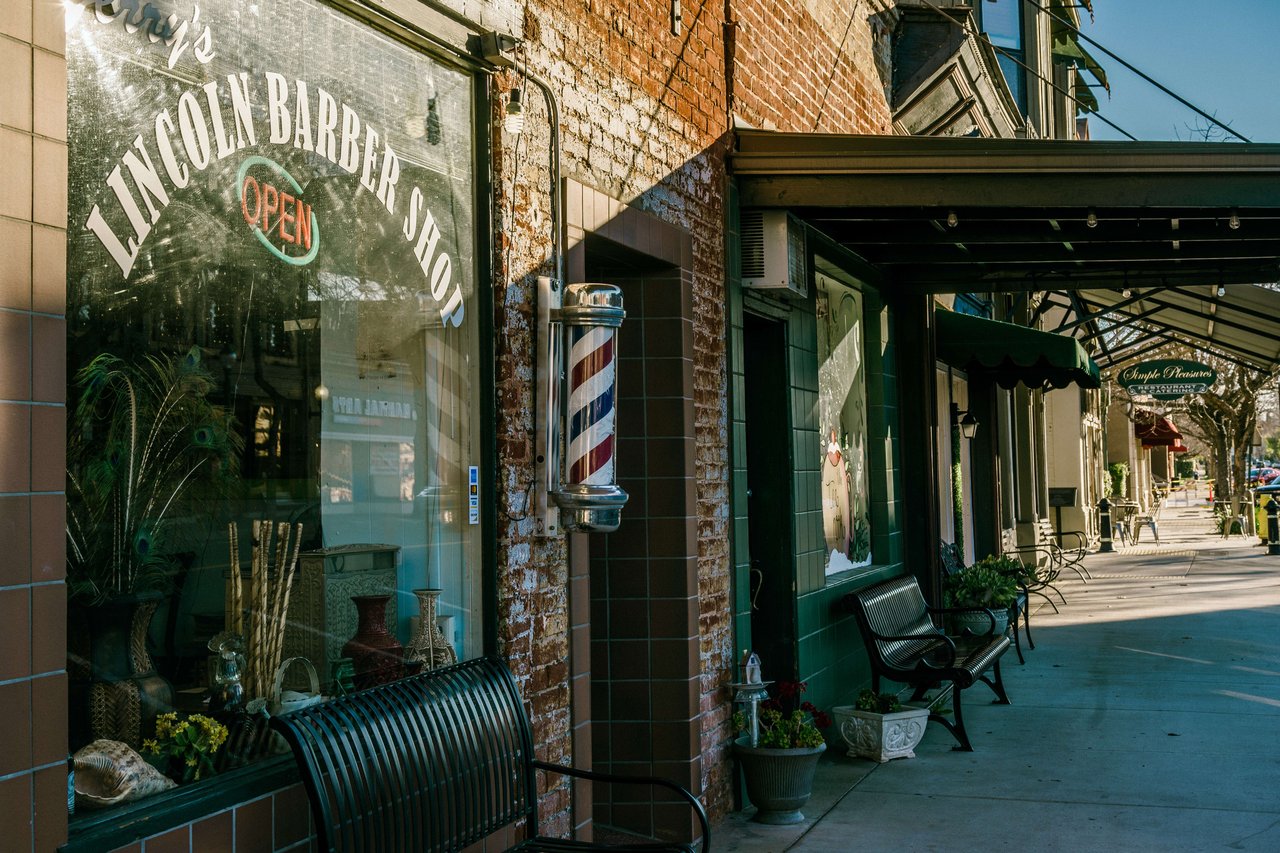
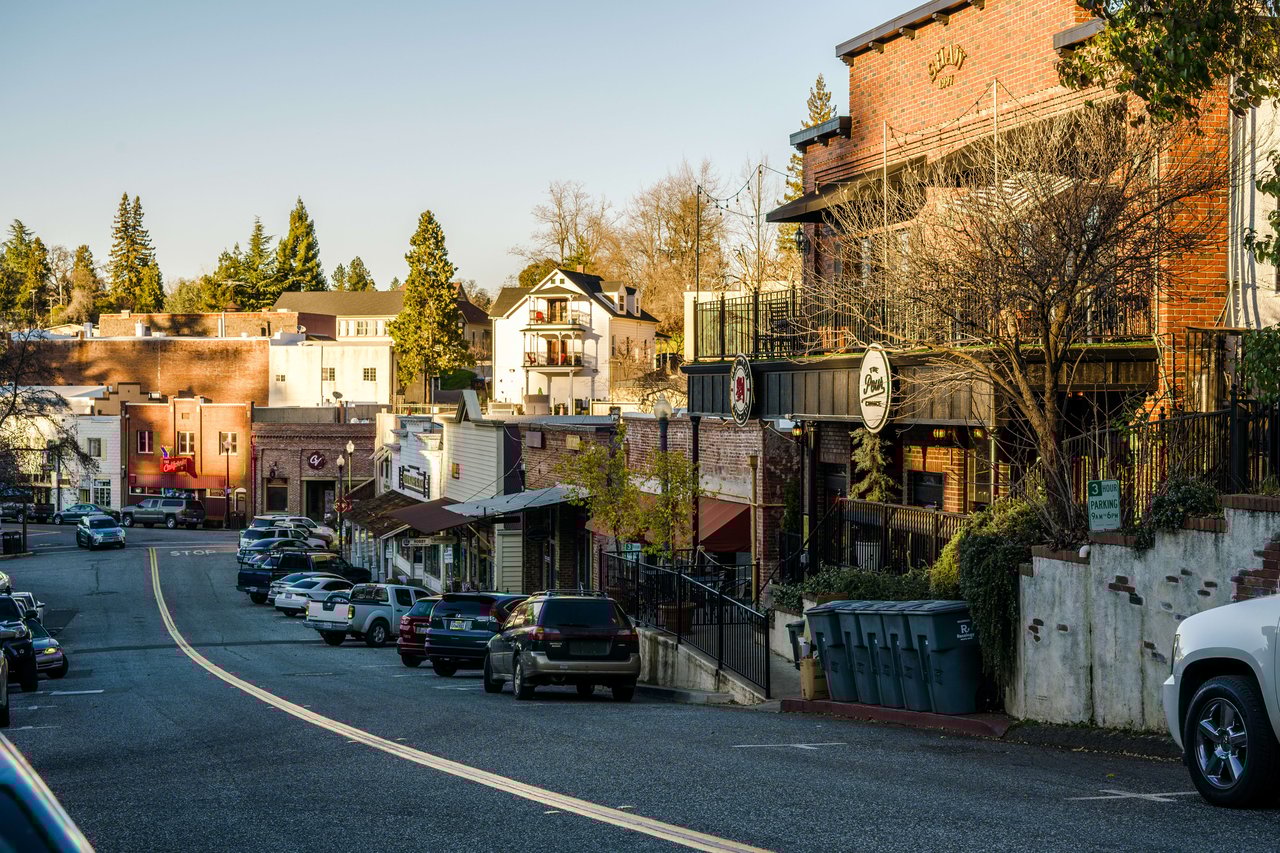
Roseville and Rocklin sit side by side, yet each has its own rhythm. Roseville is the larger, regional hub with more shopping, health care, and a wider mix of neighborhoods. Rocklin is smaller, largely built out with master-planned communities, and often feels more purely suburban.
- Population context: Roseville has about 147,000 residents and Rocklin about 68,000, based on 2020 U.S. Census figures.
- Growth: Both grew rapidly from the 1990s through the 2010s and continue to see new construction, especially in planned subdivisions.
- Overall feel: Roseville offers variety and convenience; Rocklin leans into quieter residential areas.
Housing Comparison: Types and Age
Roseville Housing at a Glance
You will find a broad mix in Roseville. There are established neighborhoods with ranch and bungalow-style homes, mid- to large-lot options, townhomes and condos, and multiple master-planned communities. Some pockets include hilltop or gated streets with higher-end properties. If you want choices across price points and styles, Roseville tends to offer more variety.
- Variety spans older, renovated homes to newer builds.
- Infill options and urban-style conveniences exist near central areas.
- HOAs and Mello-Roos can apply in many newer communities. Review disclosures carefully.
Rocklin Housing at a Glance
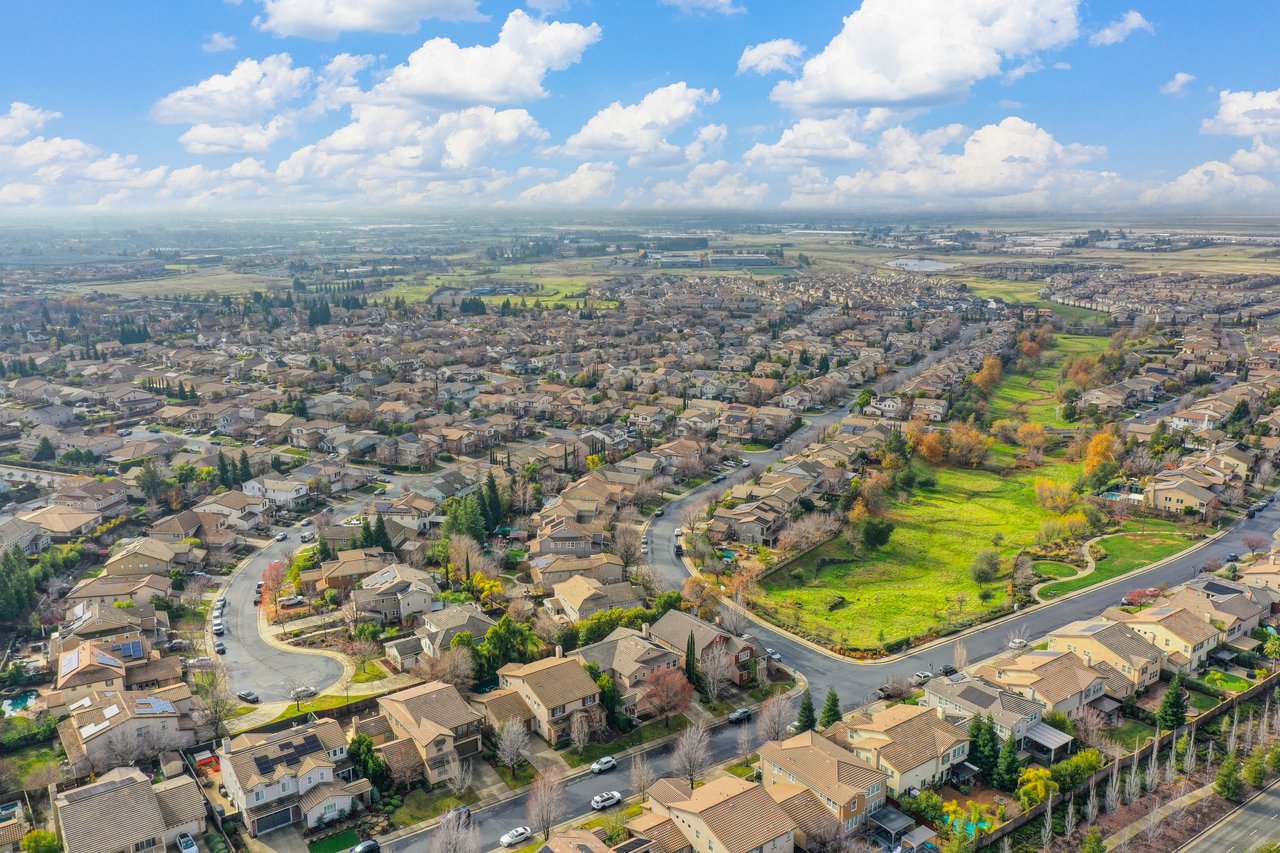
Rocklin tilts toward newer single-family homes built from the 1990s to 2010s, with family-friendly floor plans and yards. Many neighborhoods are part of master-planned developments with trails, parks, and community features.
- Expect 3 to 5 plus bedroom layouts in many subdivisions.
- Lot sizes are often suited for outdoor living and play.
- HOAs and Mello-Roos are common in newer areas, so be sure to verify fees and what is included.
Prices and Competition
Both cities have seen upward price pressure over recent years due to demand and limited statewide supply. Pricing and competition vary by neighborhood and even by block. If you are comparing offers or targeting a specific area, ask for a fresh, neighborhood-level snapshot from current market data. Median prices, days on market, and inventory change month to month.
- Tip: Focus on a micro-market. Compare similar homes within the same school zone and within the same build era for a true apples-to-apples view.
Schools Overview and How to Research
Both cities are known for public schools with solid reputations. Rocklin is served by Rocklin Unified School District. Roseville has several elementary and middle districts, with high schools under Roseville Joint Union High School District. School performance and offerings vary by neighborhood and campus.
- Verify attendance boundaries directly with district offices. Boundaries can change.
- Compare programs important to your family, such as sports, arts, and advanced coursework.
- For private options, both cities have access to regional choices, and Sierra College sits near Rocklin for community college pathways.
Commute and Transportation
If you commute to downtown Sacramento, Roseville is slightly closer. Typical drive times can range from about 25 to 40 minutes from Roseville and about 30 to 45 minutes from Rocklin, depending on traffic and time of day. I-80 and Highway 65 are the main arteries, and peak hours can add delay.
For Bay Area trips, plan on a long drive. Occasional travel is doable, but daily commuting is uncommon. Many relocators choose remote or hybrid schedules when jobs are Bay Area-based.
- Regional rail to the Bay Area runs through Sacramento’s Amtrak hub. Direct service from Roseville or Rocklin is limited.
- Local bus and regional transit options connect neighborhoods to Sacramento. Routes and schedules change, so check before you plan.
- Test your commute at peak times. A real-world drive tells you more than a map estimate.
Amenities, Shopping, and Health Care
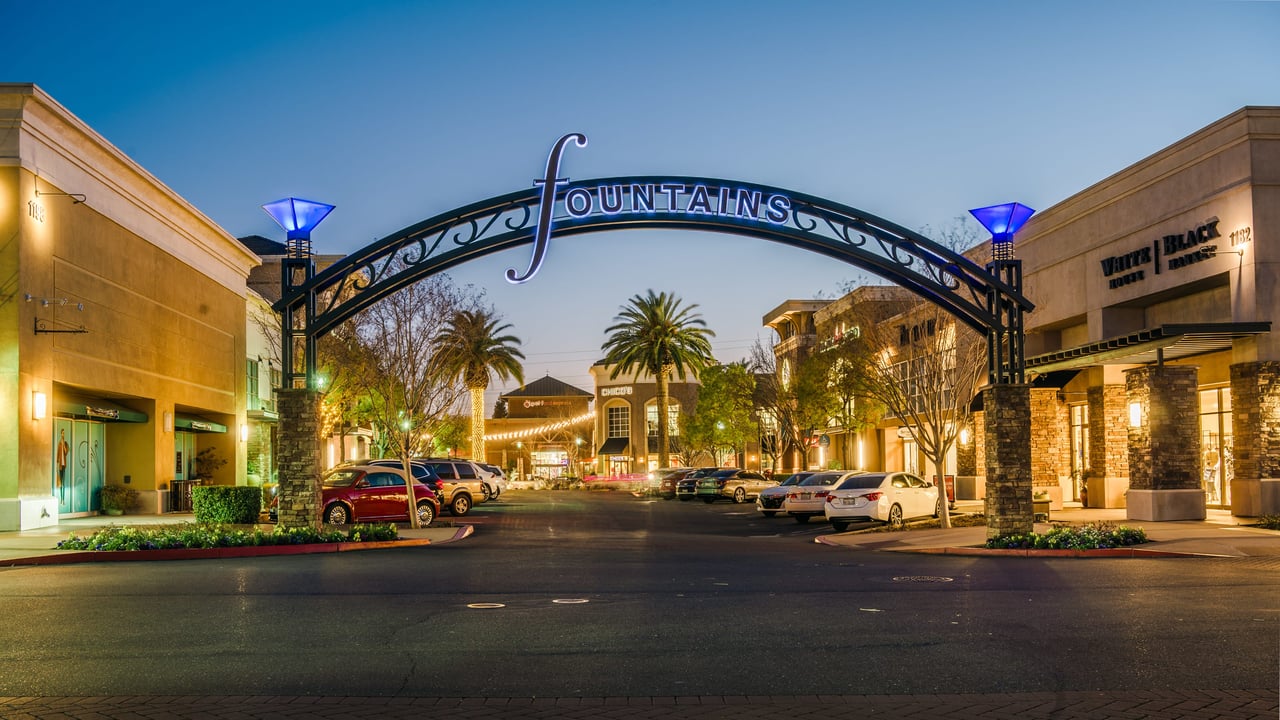
Roseville is the regional retail center, home to the Westfield Galleria and a concentration of big-box stores, restaurants, and Roseville Auto Mall. You will also find major hospitals and specialty care in Roseville, serving Placer County and beyond. Rocklin offers neighborhood shopping centers and dining, with many residents driving a short distance to Roseville for broader choices.
Both cities feature parks, playgrounds, and trail networks. Rocklin neighborhoods often include community open space and trail connections. Weekend adventures are close, with Sierra foothills, Folsom Lake, and Auburn-area recreation within reach.
Safety, Taxes, and Costs to Weigh
Public safety conditions vary by neighborhood in both cities. Review local police statistics and neighborhood-level data when you narrow your search. California’s base property tax rate is about 1 percent of assessed value, with local assessments and bonds adding to the effective rate. Newer developments may include Mello-Roos community facilities districts. Utility costs, HOA dues, and commuting expenses also shape your total monthly budget.
- Always check title reports and tax bills for Mello-Roos and special assessments.
- Ask for HOA rules, dues, and what amenities they cover.
Who Each City Tends to Fit Best
Choose Roseville if You:
- Want close access to regional shopping, dining, and major medical centers.
- Prefer a wider range of home types, from condos and townhomes to luxury pockets.
- Value slightly shorter drives to central Sacramento and larger municipal services.
- Like having more choices for entertainment and everyday errands.
Choose Rocklin if You:
- Prefer newer single-family homes in master-planned neighborhoods.
- Want a quieter residential feel with trails, parks, and community features close by.
- Are focused on consistent suburban design.
- Like the idea of family-friendly floor plans and usable yard space.
How to Decide: A Simple Framework
Use your top three priorities to guide the choice. Then pressure-test them in person.
- Define your must-haves
-
- Space needs, yard size, layout, and build era.
- Commute windows, transit options, and noise tolerance.
- School logistics, programs, and boundary stability.
- Run the numbers
-
- Confirm your monthly budget with taxes, insurance, utilities, HOA, and Mello-Roos.
- Compare pricing for similar homes in your target school zones.
- Test the lifestyle
-
- Drive your commute at rush hour from both cities.
- Spend a weekend exploring parks, shopping areas, and restaurants.
- Visit school campuses during pickup time to understand traffic and timing.
- Validate future plans
-
- Review city planning pages for proposed roads, retail, or subdivisions near your target neighborhoods.
- Ask about any upcoming assessments or HOA projects that could impact costs.
A Weekend Scouting Plan
- Morning: Tour two neighborhoods in each city that match your budget and home style. Note lot sizes, street parking, and overall condition of nearby homes.
- Midday: Try a grocery run and a casual lunch in each city to compare convenience and options.
- Afternoon: Visit a community park and a trail to gauge how you will use local amenities.
- Evening: Drive the main arterials near rush hour and check noise near your top listings.
When you compare your notes, you will likely see a clear pattern. Roseville tends to win for breadth of options and convenience. Rocklin tends to win for master-planned neighborhoods and a more purely suburban pace.
Ready to explore with a local expert and a concierge-level plan for buying or selling? Connect with Brian Perry & Brian Perry Real Estate Group for tailored guidance, neighborhood insight, and a seamless path from scouting to closing.
FAQs
How do Roseville and Rocklin compare for families?
- Both offer family-oriented neighborhoods, parks, and widely respected public schools; the right fit depends on your home style and daily routine preferences.
What are typical Sacramento commute times from each city?
- From Roseville, about 25 to 40 minutes to downtown Sacramento; from Rocklin, about 30 to 45 minutes, depending on traffic and time of day.
How do housing styles differ between Roseville and Rocklin?
- Roseville offers a broad mix from older infill to luxury pockets, while Rocklin leans toward single-family homes in master-planned communities.
What should Bay Area relocators keep in mind?
- Occasional Bay trips are common but daily commuting is long; consider remote or hybrid work and weigh travel time, tolls, and vehicle costs against lifestyle gains.
Do homes commonly have Mello-Roos or HOA fees?
- Many newer subdivisions in both cities include HOAs and Mello-Roos; verify dues, rules, and assessments in disclosures, title reports, and tax bills.
Where are the main shopping and medical hubs?
- Roseville is the regional retail and healthcare hub with the Galleria area and major hospitals; Rocklin has local centers, with many residents visiting Roseville for wider choices.