Thinking about leaving the Bay Area but not ready to give up city access, good food, or an easy train option back? Sacramento often lands in the sweet spot for professionals who want more flexibility without feeling disconnected from urban life. If you are comparing neighborhoods and trying to figure out what actually fits your routine, this guide will help you sort through the best Sacramento areas for Bay Area professionals. Let’s dive in.
Why Sacramento Works for Bay Area Professionals
Sacramento offers a mix that can be hard to find elsewhere in Northern California. You can choose from urban condos, walkable mixed-use districts, traditional single-family neighborhoods, and park-centered residential areas, all within the city’s core and nearby historic neighborhoods.
For many Bay Area professionals, the real advantage is flexibility. Sacramento is generally a stronger fit for hybrid schedules and periodic Bay Area travel than for a traditional five-day-a-week commute. If your work setup includes a few in-office days, occasional meetings, or monthly travel, Sacramento can make that lifestyle much more practical.
Transit is a major part of that equation. SacRT operates 43 miles of light rail, 53 stations, and 82 bus routes across Sacramento County. Sacramento Valley Station also serves as the region’s primary rail station for Amtrak long-distance trains and state-sponsored intercity trains serving the Bay Area, and Capitol Corridor runs up to 30 daily trains between Sacramento, the Bay Area, and San Jose with direct BART connections at Richmond and Oakland Coliseum.
Best Sacramento Neighborhoods to Compare
If you are relocating from the Bay Area, the most useful starting point is Sacramento’s Central City plus the traditional neighborhoods right next to it. That usually means comparing Downtown/Central City, Midtown with R Street and Southside Park, East Sacramento, and Land Park or Curtis Park.
Each area offers a different balance of walkability, housing style, maintenance, park access, and transit convenience. The right fit depends less on what is “best” overall and more on how you actually want to live day to day.
Downtown and Central City
Downtown is the strongest match if you want the most urban and lowest-maintenance lifestyle. The City describes Central City as a 2,900-acre mixed-use core with government, office, residential, retail, cultural, and industrial uses, while Downtown is framed as a 24-hour urban center.
This part of Sacramento is built for people who want to be close to restaurants, offices, museums, theaters, and transit. The area includes high-rise condominiums, residential neighborhoods, parks, and shops. The City also notes that Downtown has more than 100,000 people in its daytime population and more than 150 restaurants, which helps explain the active, event-driven feel.
If you like the idea of locking the door and heading out on foot, Downtown deserves a serious look. It is especially appealing if you value transit access and proximity to Sacramento Valley Station over having a detached home or larger yard.
Midtown, R Street, and Southside Park
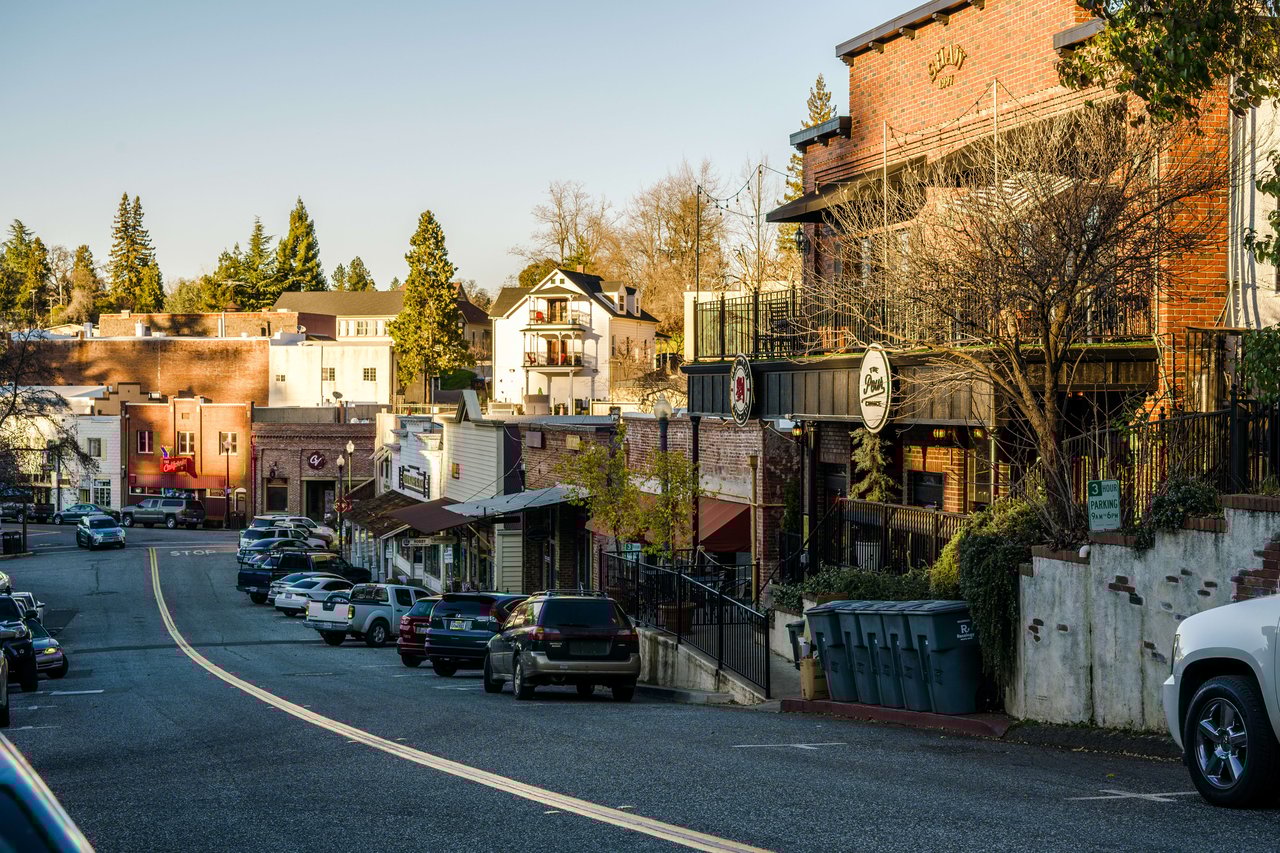
Midtown is Sacramento’s best-known walkable neighborhood cluster. The City calls it the cultural and creative core and highlights its walkable streets, food scene, and blend of historic charm with modern development.
R Street adds another layer to that appeal. The Historic R Street Corridor is described by the City as a major Midtown district and a transit-oriented, mixed-use area. If you want an urban lifestyle with restaurants, local businesses, and a strong sense of activity, this corridor often stands out.
Southside Park offers a slightly different feel nearby. City planning materials describe it as primarily residential, set on a grid street pattern, and shaded by mature trees. Together, Midtown, R Street, and Southside Park work well if you want city energy but still appreciate pockets of quieter residential character.
The tradeoff here is usually space and convenience. In exchange for walkability and neighborhood character, you may give up some parking ease and larger lot sizes.
East Sacramento
East Sacramento is often the top choice for buyers who want a more traditional neighborhood feel without moving far from the core. The City says most of East Sacramento’s residential development is made up of single-family homes in traditional neighborhoods, and the area originally developed in the 1890s with streetcar connections to Downtown.
This neighborhood tends to appeal to buyers who want detached-home character, established streets, and local-serving retail nearby. The 2040 General Plan describes the western portion as leafy older suburbs, while walkable retail corridors on Folsom Boulevard and J Street serve local residents.
Parks are also part of the draw. McKinley Park is a major community focal point, with the McKinley Rose Garden and duck pond adding to the neighborhood’s park-centered identity. If you want a classic Sacramento setting with more single-family options, East Sacramento is one of the clearest choices.
Land Park and Curtis Park
Land Park is a strong fit if you want more house and more park space while staying relatively central. The City describes Land Park as a collection of traditional neighborhoods with tree-lined streets, distinguished parks, and local shops.
This area feels more residential than Midtown or Downtown, and that is often the point. Buyers who want a calmer day-to-day setting, while still keeping the central city within reach, tend to put Land Park high on their list.
William Land Regional Park is one of the area’s biggest anchors. It includes Fairytale Town, Funderland, the Sacramento Zoo, a golf course, jogging paths, lakes, and picnic areas. That amount of parkland gives the area a distinct lifestyle advantage if green space matters to you.
Curtis Park adds another option nearby, especially if you are open to infill housing. Curtis Park Village, built on a former rail yard, includes single-family homes, condos, apartments, retail, and pedestrian-friendly streets. It is a good example of the mixed housing choices available near the center of the city.
How to Match the Neighborhood to Your Lifestyle
The easiest way to narrow your search is to focus on your routine first. Think about how often you travel to the Bay Area, whether you want to walk to dining and services, and how much home maintenance you want to take on.
A simple framework can help:
- Choose Downtown or Midtown if walkability, dining, transit access, and a low-maintenance home are your top priorities.
- Choose East Sacramento if you want traditional single-family streets, neighborhood retail, and strong park access.
- Choose Land Park or Curtis Park if you want a more residential setting with larger parks while staying relatively close to the city core.
If Bay Area travel is part of your plan, proximity to Sacramento Valley Station or an easy light-rail connection should move up your priority list. Rail tends to be the most coherent alternative to long freeway drives.
Housing Types and Tradeoffs
Bay Area professionals are often comparing more than neighborhoods. You are also deciding what type of home best fits your budget, schedule, and tolerance for maintenance.
Condos and Lofts
Condos and lofts are often the cleanest fit if you want an urban address with less exterior maintenance. In Sacramento, the most natural settings for this type of home are Downtown, Central City, and the R Street corridor.
The main tradeoff is monthly carrying cost. Condo and HOA dues are usually paid separately from the mortgage, and homeowners associations commonly manage shared expenses like landscaping. In condominium communities, the HOA may also handle shared structures, driveways, and roofs.
That can simplify ownership, but it also means you need to look closely at rules, reserves, and long-term maintenance planning. A lower-maintenance home is not always a lower-cost home once dues are included.
Bungalows and Older Single-Family Homes
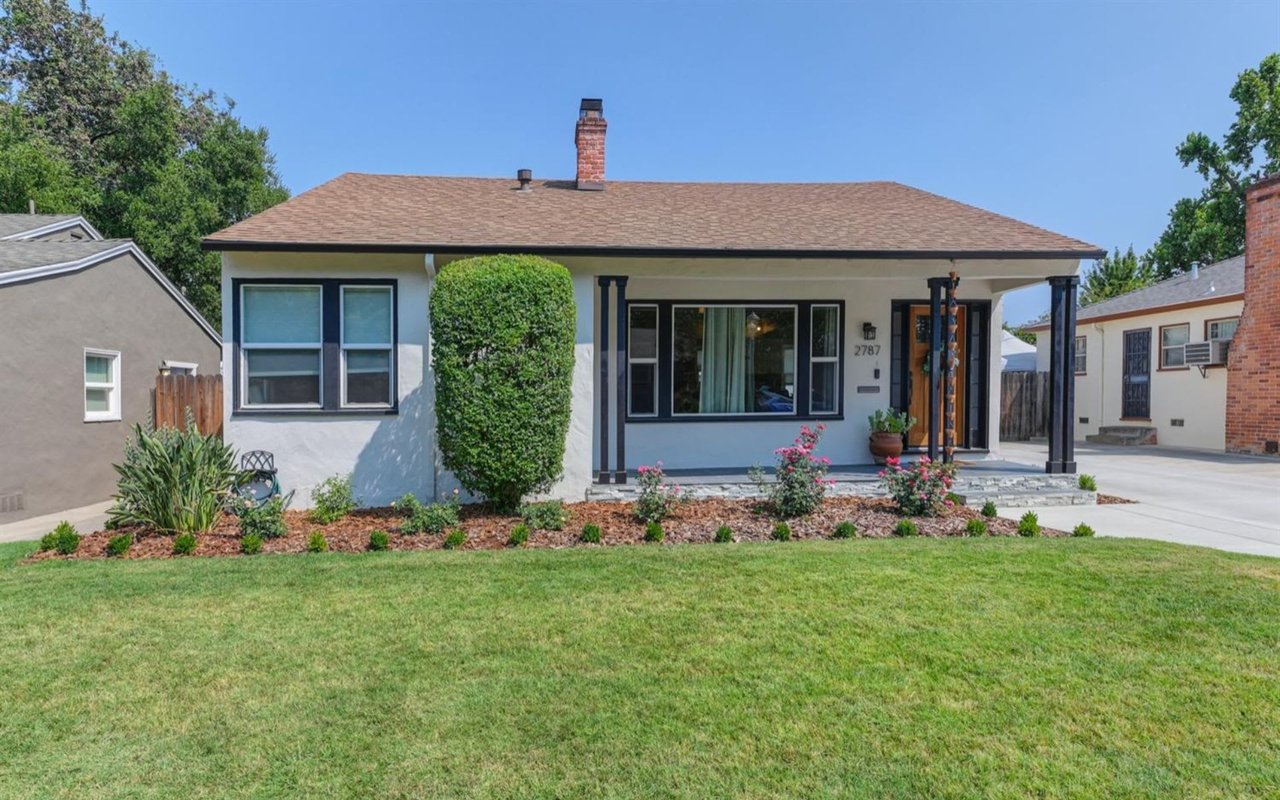
If you are drawn to detached-home character, yards, and established streets, bungalows often rise to the top. East Sacramento and Land Park are especially relevant here because the City identifies both areas with traditional neighborhoods and older single-family housing patterns.
The tradeoff is maintenance and renovation risk. Homes built before 1978 are more likely to contain lead-based paint, and renovation or repair work can create hazardous dust if lead is present. For older Sacramento homes, inspection and renovation budgeting are just as important as charm and curb appeal.
Townhomes
Townhomes often sit in the middle. They can offer a smaller footprint than a detached bungalow while providing more separation and storage than a loft or condo.
For many buyers, that makes them a practical compromise. You still may have HOA dues and community rules, but you may gain a more flexible layout and a little more privacy. In Sacramento’s core, townhome-style options are more likely to appear in infill areas and newer mixed-housing projects, including places similar to Curtis Park Village.
What Bay Area Buyers Often Get Right
The buyers who feel happiest with their Sacramento move usually focus on fit, not just price. They think carefully about commute patterns, train access, parking, housing maintenance, and how much they want to rely on walking versus driving.
They also compare neighborhoods in person when possible. Two areas may be only a short drive apart, but they can feel very different in pace, housing stock, and daily convenience.
That is especially true in Sacramento’s central neighborhoods. A condo in Downtown, a bungalow in East Sacramento, and a townhome in Curtis Park can each support a very different version of relocation life.
Choosing with Confidence
Sacramento gives Bay Area professionals more than one path. You can lean urban in Downtown or Midtown, classic and residential in East Sacramento, or park-centered and more relaxed in Land Park and Curtis Park.
The best choice depends on what you want your next chapter to feel like. If you want help comparing home styles, commute tradeoffs, and neighborhood fit across Greater Sacramento, Brian Perry & Brian Perry Real Estate Group offer a concierge-level, relationship-first approach designed to make your move clearer and more confident.
FAQs
What Sacramento neighborhood is best for Bay Area professionals who want walkability?
- Downtown and Midtown are usually the strongest options if you want walkability, dining, transit access, and a low-maintenance lifestyle.
What Sacramento neighborhood is best for Bay Area professionals who want a single-family home?
- East Sacramento is one of the clearest choices if you want traditional single-family streets, older neighborhood character, local retail, and park access.
What Sacramento neighborhood is best for Bay Area professionals who want more park space?
- Land Park stands out if you want a more residential setting with major park amenities and room to stay relatively close to the city core.
Is Sacramento realistic for Bay Area professionals who still travel back for work?
- Yes, Sacramento is generally better suited to hybrid schedules and periodic Bay Area travel than to a traditional five-day-a-week commute, especially if you prioritize access to Sacramento Valley Station or light rail.
What housing type fits Bay Area professionals moving to Sacramento?
- Condos and lofts often fit buyers seeking low maintenance, bungalows fit those who want detached-home character, and townhomes can offer a middle-ground option between the two.
What should Bay Area professionals know about older Sacramento homes?
- Older homes can offer charm and established neighborhood character, but homes built before 1978 are more likely to contain lead-based paint, so inspection and renovation budgeting matter.