

Set in the Sierra Nevada foothills at the edge of the American River Canyon, Auburn offers a combination of historic character, dramatic scenery, outdoor recreation, and small-town charm that feels distinctly different from communities farther west. Its location provides convenient access to Roseville and Sacramento while placing the foothills, the American River, and the Sierra much closer to home.
Auburn's setting is one of its defining characteristics. At elevations generally ranging from about 1,000 to 1,400 feet, the landscape transitions from the flatter, more suburban communities of South Placer into rolling hills, oak woodlands, pine-covered slopes, and the dramatic terrain of the American River Canyon. The city sits directly alongside the Auburn State Recreation Area, giving residents an unusual level of access to trails, river recreation, and open space.
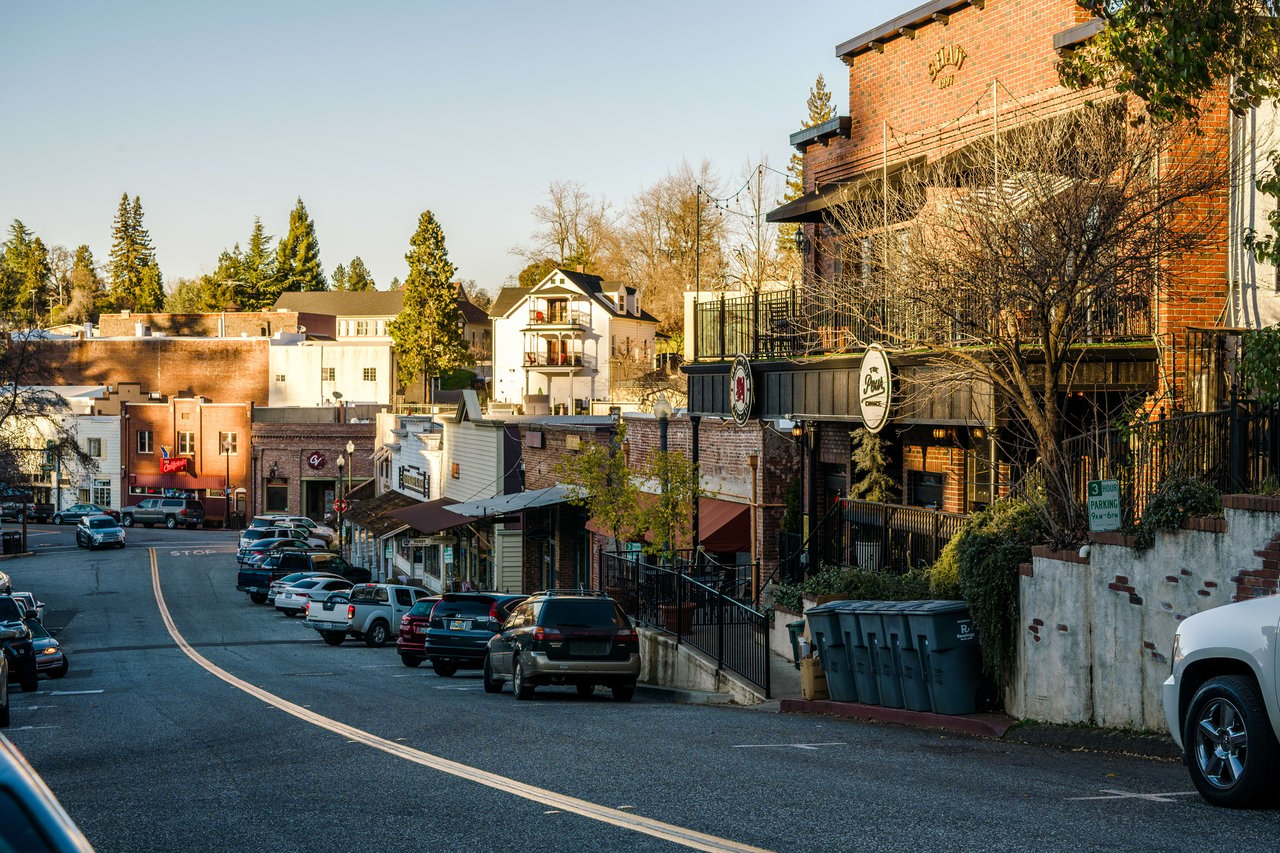
History is equally important to Auburn's identity. Founded during the California Gold Rush in 1848, the city has preserved much of its historic character in Old Town and Downtown, where historic buildings, Central Square, locally owned businesses, and community events remain part of everyday life. Auburn's combination of history, landscape, and location creates a community with a strong sense of place, while its position along Interstate 80 keeps the larger Sacramento region within easy reach.
Life in Auburn has a distinctly relaxed, foothill character. Downtown and Old Town provide places to meet for coffee, dinner, shopping, or community events, while the surrounding neighborhoods quickly transition into wooded hillsides, larger lots, and rural properties. The result is a community where residents can enjoy a walk through a historic district one day and spend the next exploring trails, riding a bike, heading into the canyon, or simply enjoying the privacy of a property surrounded by trees.
Auburn is also deeply connected to endurance sports. The city is home to the Western States Endurance Run and the Western States Endurance Ride, better known as the Tevis Cup, and the Western States Trail terminates in Auburn after its 100-mile journey from the Lake Tahoe area. Running, cycling, hiking, mountain biking, and equestrian activities are not simply recreational options here; they are an important part of the community's identity.
Auburn's dining scene reflects the character of the community, with an emphasis on locally owned restaurants, wine, craft beverages, and specialty businesses rather than large concentrations of national chains. Old Town and Downtown are the heart of the local scene, with restaurants such as Restaurant Josephine, Carpe Vino, The Pour Choice, Auburn Alehouse, and Tre Pazzi Trattoria, along with coffee shops, bakeries, specialty stores, galleries, and other small businesses. The historic setting adds to the experience, particularly around Lincoln Way and Central Square.
A longtime Auburn institution, Ikeda's California Country Market has become a favorite destination for locals and travelers alike, known for its fresh fruit pies, gourmet burgers, seasonal produce, and specialty foods. What began as a family-owned fruit stand has grown into one of the region's most recognizable businesses, earning national recognition in 2026 when USA Today named Ikeda's the No. 1 Best Pie Shop in America in its 10Best Readers' Choice Awards. The achievement was also featured on NBC's TODAY show, bringing national attention to this beloved Auburn landmark.
Entertainment is more intimate than in the larger cities to the west, but Auburn maintains an active local arts and events calendar. The Auburn State Theatre provides movies, live performances, and special events, while galleries, public art, music, farmers markets, and community celebrations contribute to the city's cultural life. Friday Night Markets, the Placer Grown Farmers Market, seasonal festivals, parades, and events in Old Town give residents regular reasons to spend time downtown. For larger-scale shopping, concerts, professional sports, and entertainment, Roseville and Sacramento are an easy drive west.
Outdoor recreation is one of Auburn's greatest everyday advantages. The Auburn State Recreation Area extends for roughly 20 miles along the North and Middle Forks of the American River and offers hiking, mountain biking, horseback riding, fishing, boating, camping, whitewater recreation, and river access. More than 100 miles of hiking and horse trails wind through the canyon, including portions of the Western States Trail. Some of the area's signature destinations are close to town, including the American River Confluence, No Hands Bridge, Lake Clementine, Quarry Trail, Robie Point, and trails leading toward Cool and Foresthill.
Auburn's historic character and active community calendar provide plenty to do beyond the trails. Old Town Auburn is a destination in its own right, with historic buildings, shops, restaurants, and seasonal events, while the Gold Country Fairgrounds & Event Center hosts the annual Gold Country Fair, rodeo events, exhibitions, and other community gatherings. The adjacent Gold Country Museum offers a look at Placer County's Gold Rush history. Within the city, residents can also enjoy Overlook Park, Auburn Regional Park, the Auburn Bike Park, and Auburn Skate Park. And with Interstate 80 heading east into the Sierra, Truckee, Lake Tahoe, and the region's ski resorts are all within easy reach, while Roseville and Sacramento provide additional shopping, professional sports, concerts, museums, and performing arts.
Public education in Auburn is provided through several districts depending upon the property's location. The Auburn Union School District serves much of the city's elementary and middle-school population, while Ackerman Charter School District and other nearby districts serve portions of the broader Auburn area. High-school students within Auburn are generally served by the Placer Union High School District, with Placer High School serving the city and surrounding communities.
Placer High combines a long local history with a broad range of current academic and extracurricular opportunities. The school offers Advanced Placement and honors courses, career technical education, dual-enrollment opportunities, agriculture and welding programs, visual and performing arts, video production, theater, music, athletics, and other specialized coursework. Current course offerings include AP subjects in areas such as calculus, English, government, psychology, history, and the arts, along with CTE pathways and dual-enrollment courses.
Higher-education opportunities are also accessible from Auburn. Sierra College's Rocklin campus is approximately 25 miles west and offers a broad range of academic and career programs, while local high-school students can participate in Sierra College dual-enrollment programs.
Because attendance boundaries can extend beyond city limits and may change over time, buyers should always verify the assigned schools for a specific property directly with the appropriate district.
Auburn's location along Interstate 80 is one of its most practical advantages. Roseville and Rocklin are generally within a 20- to 30-minute drive, depending upon traffic and the starting point, while Downtown Sacramento is roughly 35 to 40 miles southwest. For residents working in Auburn or elsewhere in Placer County, the commute can be relatively manageable, and the presence of Placer County government offices and healthcare providers creates employment opportunities within the community itself.
Interstate 80 also provides a direct route west toward Sacramento and the Bay Area and east toward Truckee and Lake Tahoe. A daily Bay Area commute is considerably more demanding than commuting from Roseville or Rocklin, but Auburn's freeway access can be particularly useful for professionals who work remotely or travel to the Bay Area periodically. The same corridor makes weekend trips into the Sierra remarkably convenient, which is one of the advantages of living this far into the foothills.
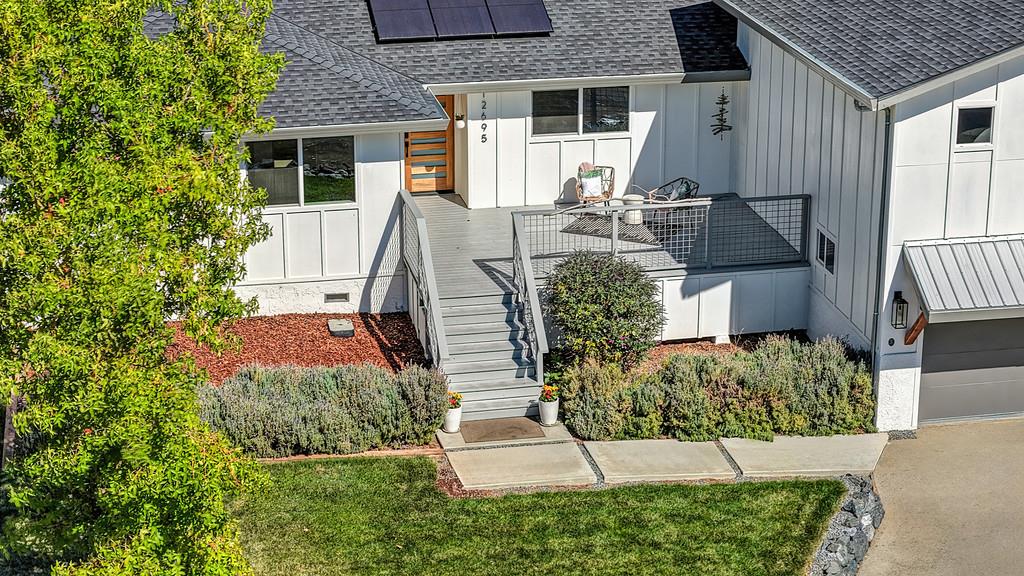
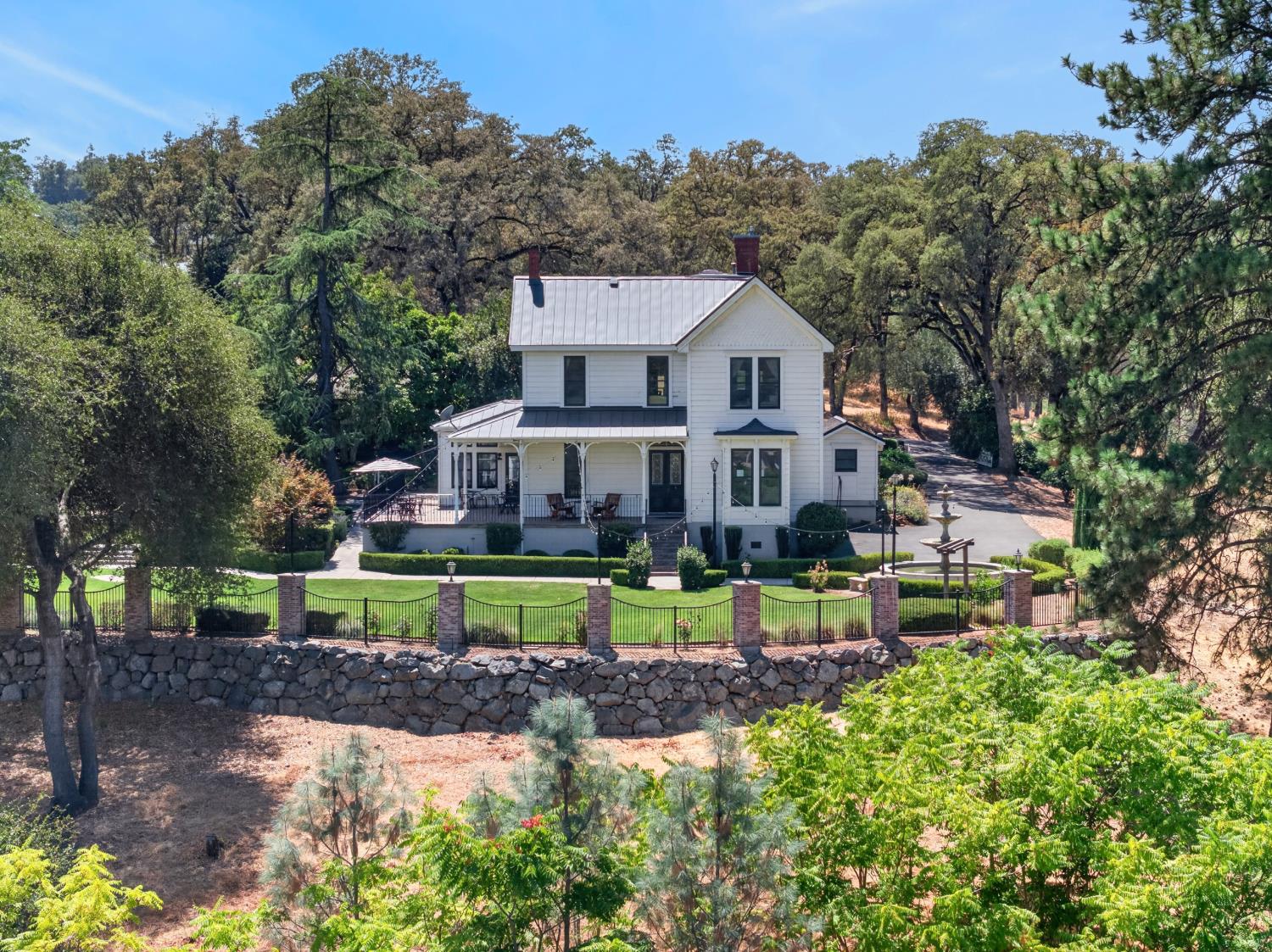
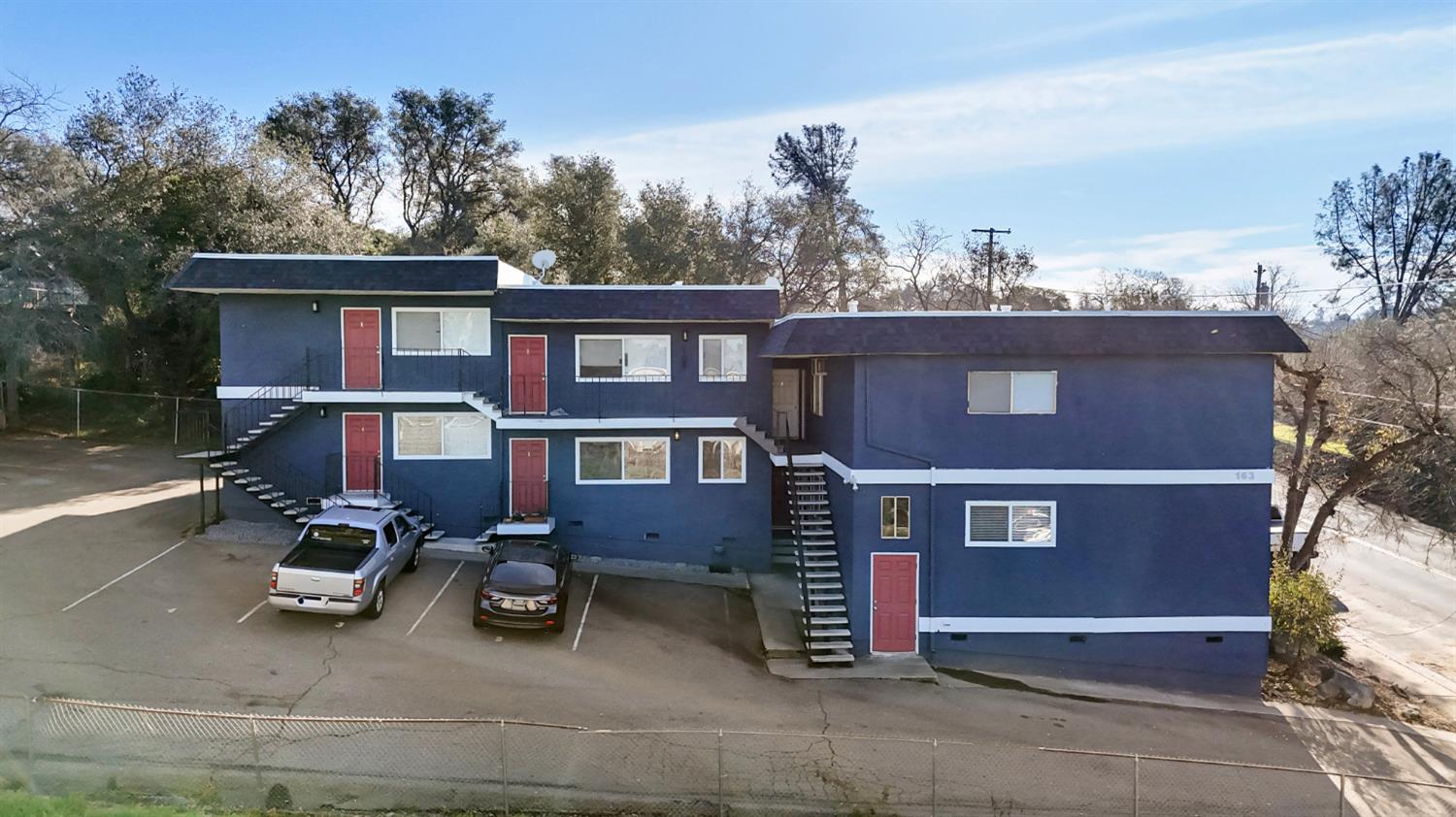
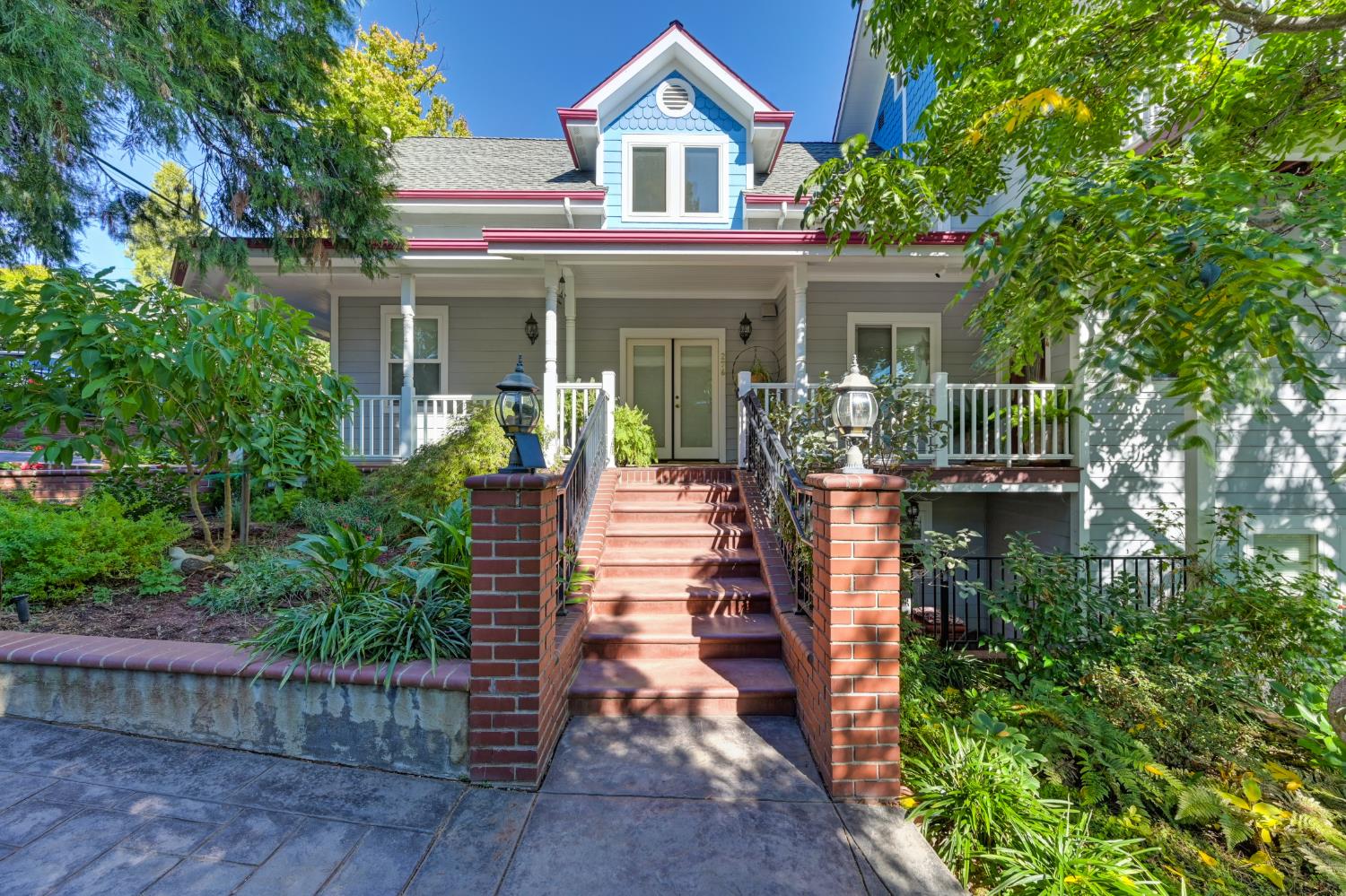
Auburn's housing market reflects its position between established Placer County neighborhoods and the Sierra foothills. Near Downtown and Old Town, buyers can find historic cottages, Craftsman homes, traditional bungalows, and other residences with architectural character and mature landscaping. Established neighborhoods farther from the historic core offer ranch-style and mid-century homes, while some areas feature larger wooded lots and a more rural setting.
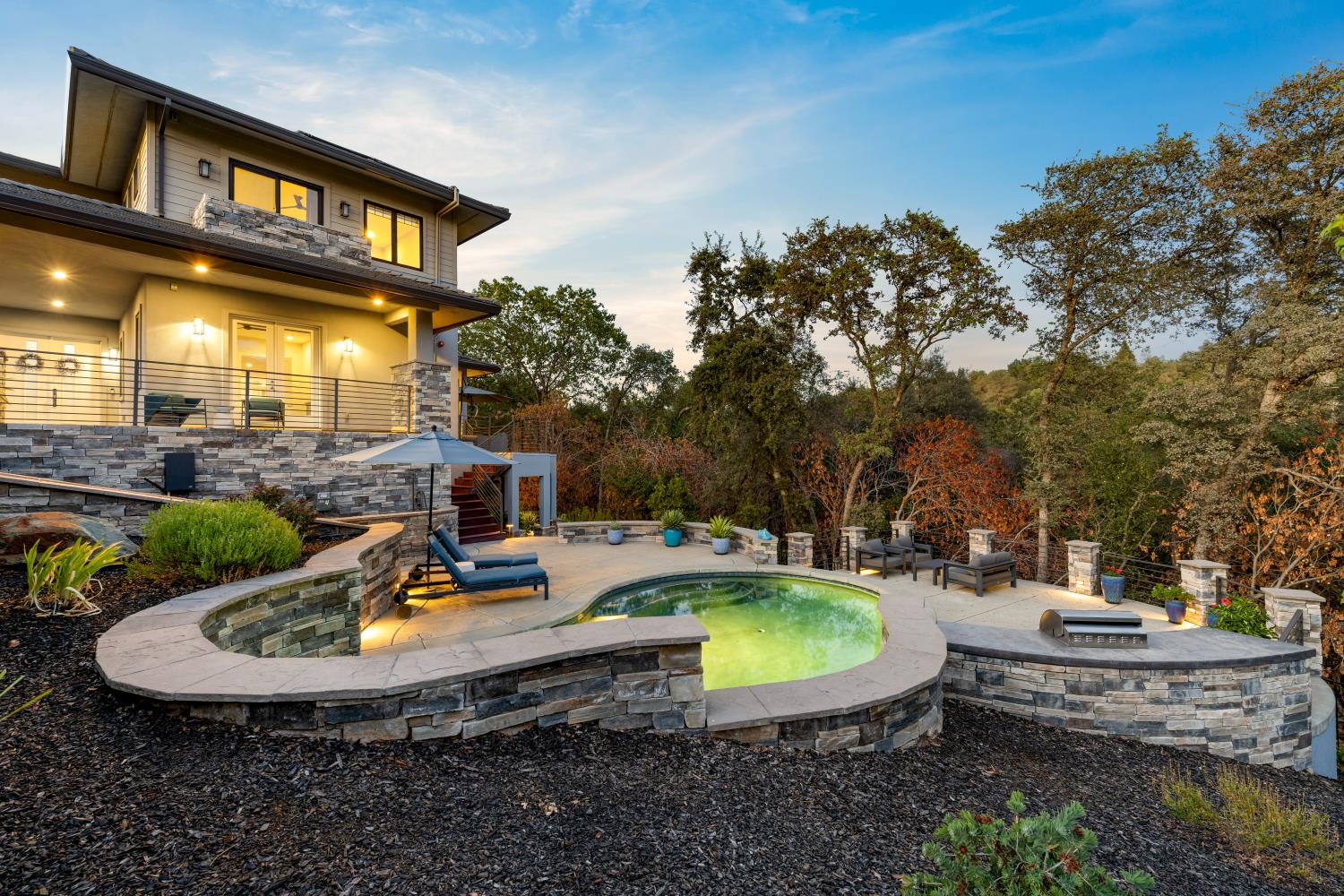
Outside the more established neighborhoods, Auburn opens into a broader landscape of custom homes, acreage, equestrian properties, ranches, and private estates. Properties can range from relatively compact homes close to town to substantial residences surrounded by oak and pine trees, with some offering views toward the American River Canyon or Sacramento Valley. Luxury housing in Auburn is generally defined less by gated master-planned communities and more by land, privacy, views, custom construction, and proximity to the foothills and recreation.
Auburn has approximately 13,800 residents within the incorporated city, giving it a relatively small population while serving as the county seat of much larger Placer County. The city encompasses about 7.2 square miles and has approximately 6,055 households. About 27% of residents are 65 or older, while 17% are under 18. Approximately 94% of adults have completed high school, and 40.6% hold a bachelor's degree or higher. Median household income is approximately $82,700, based on the latest five-year American Community Survey estimates.
Employment within Auburn and the surrounding area spans government, healthcare, education, professional services, construction, retail, hospitality, real estate, and small business. Placer County is headquartered in Auburn, while healthcare is another significant part of the local employment base, including Sutter's Auburn Faith Hospital and other regional medical providers. Many residents also commute west to employment centers in Roseville and Rocklin. The city's average commute is approximately 21 minutes, reflecting a combination of local employment and relatively accessible connections to the broader region.