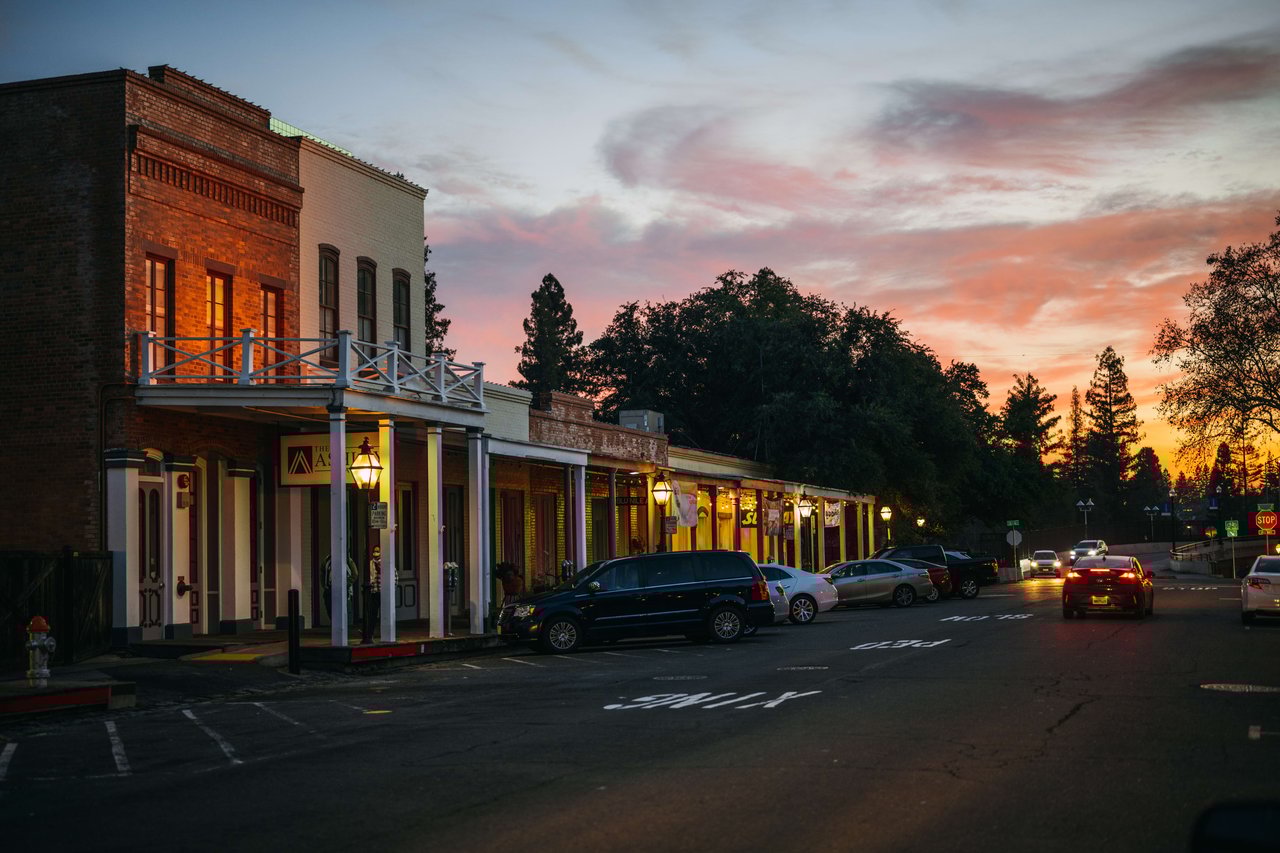
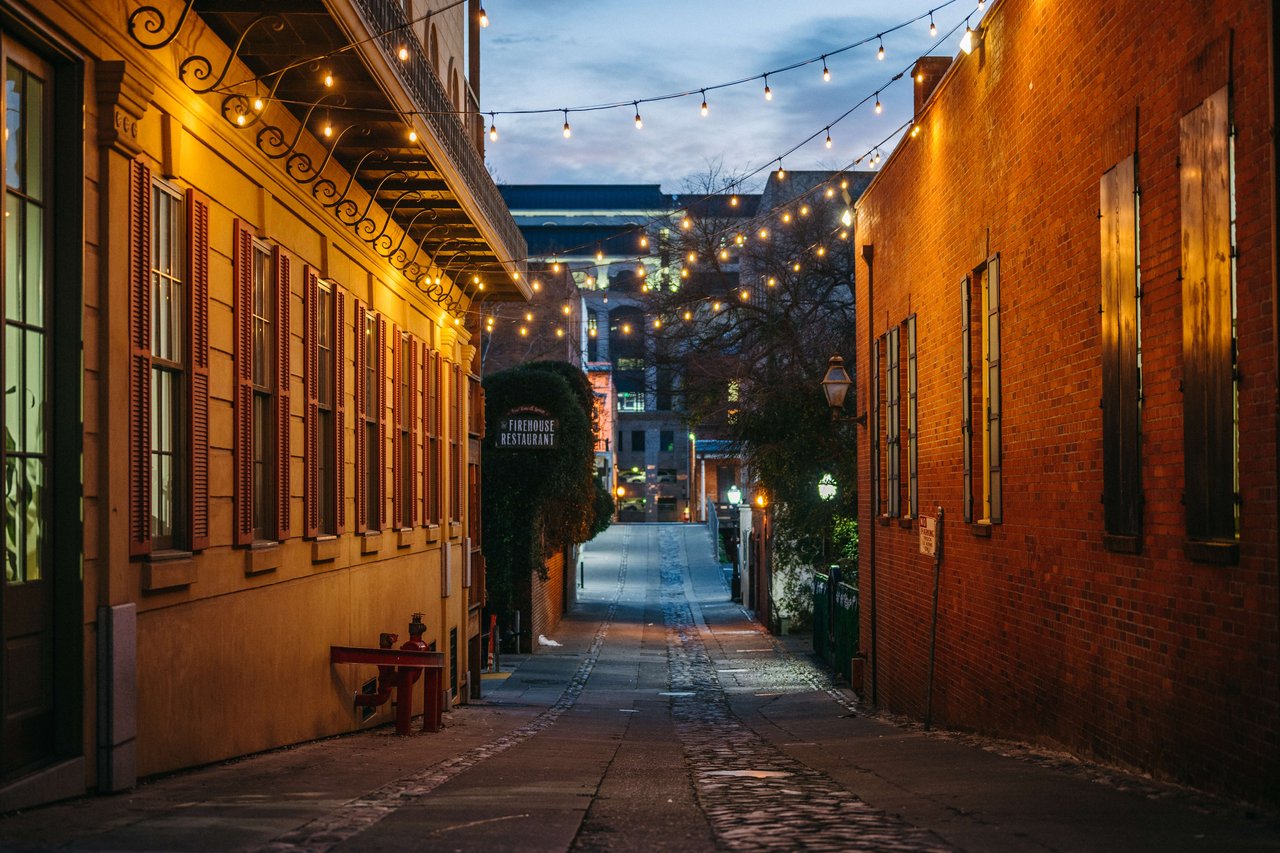
As California's capital and the economic and cultural center of the greater Sacramento region, Sacramento offers an unusually broad range of neighborhoods, lifestyles, and housing choices. Historic residential districts, walkable urban neighborhoods, riverfront communities, established suburban areas, and newer development all exist within the city, giving buyers the opportunity to choose very different ways of living without leaving Sacramento.
Sacramento's greatest strength may be the variety it offers. Few cities in Northern California provide so many distinct residential environments within one community, from historic neighborhoods with mature trees and character-rich architecture to urban districts filled with restaurants, entertainment, and cultural attractions. The city combines the conveniences of a major metropolitan area with the parks, waterways, neighborhood businesses, and outdoor access that give Sacramento its distinctly Northern California character.
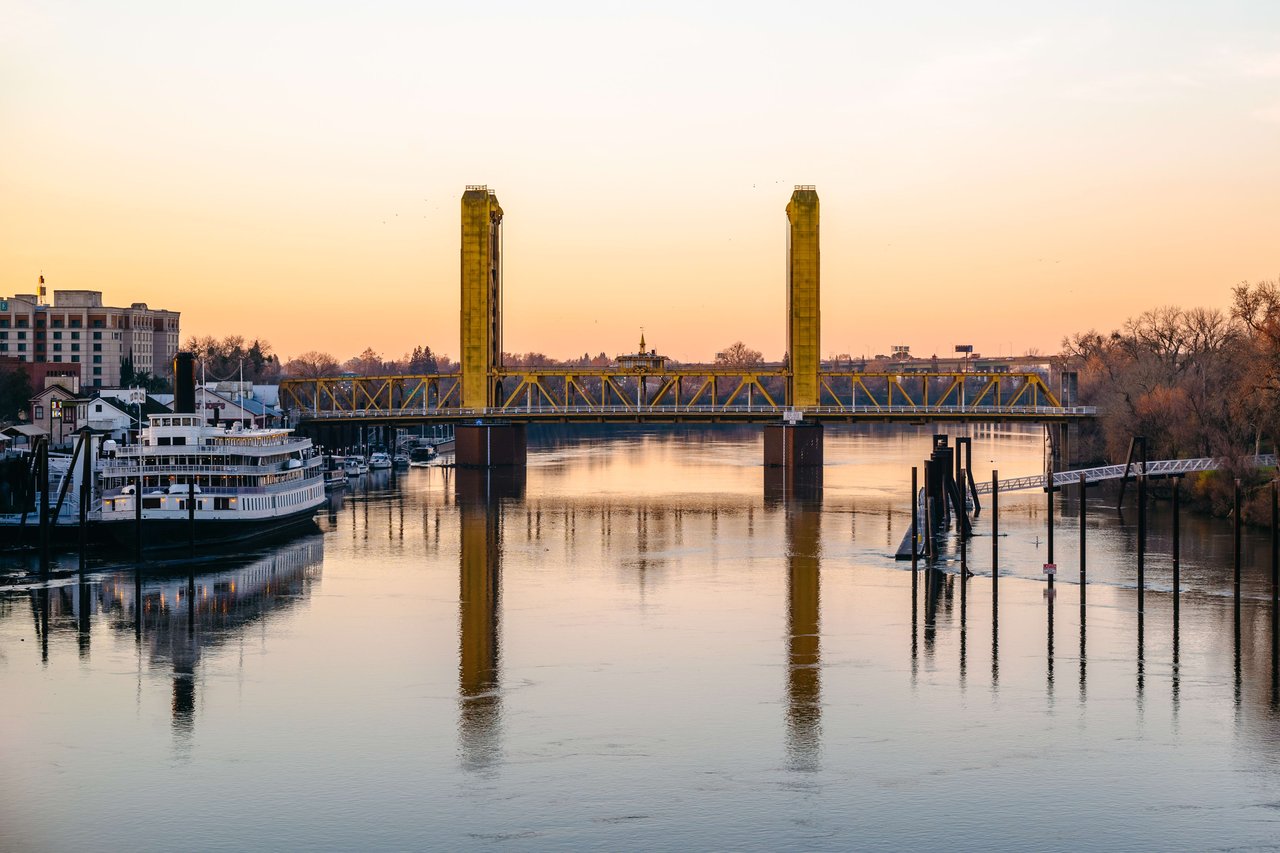
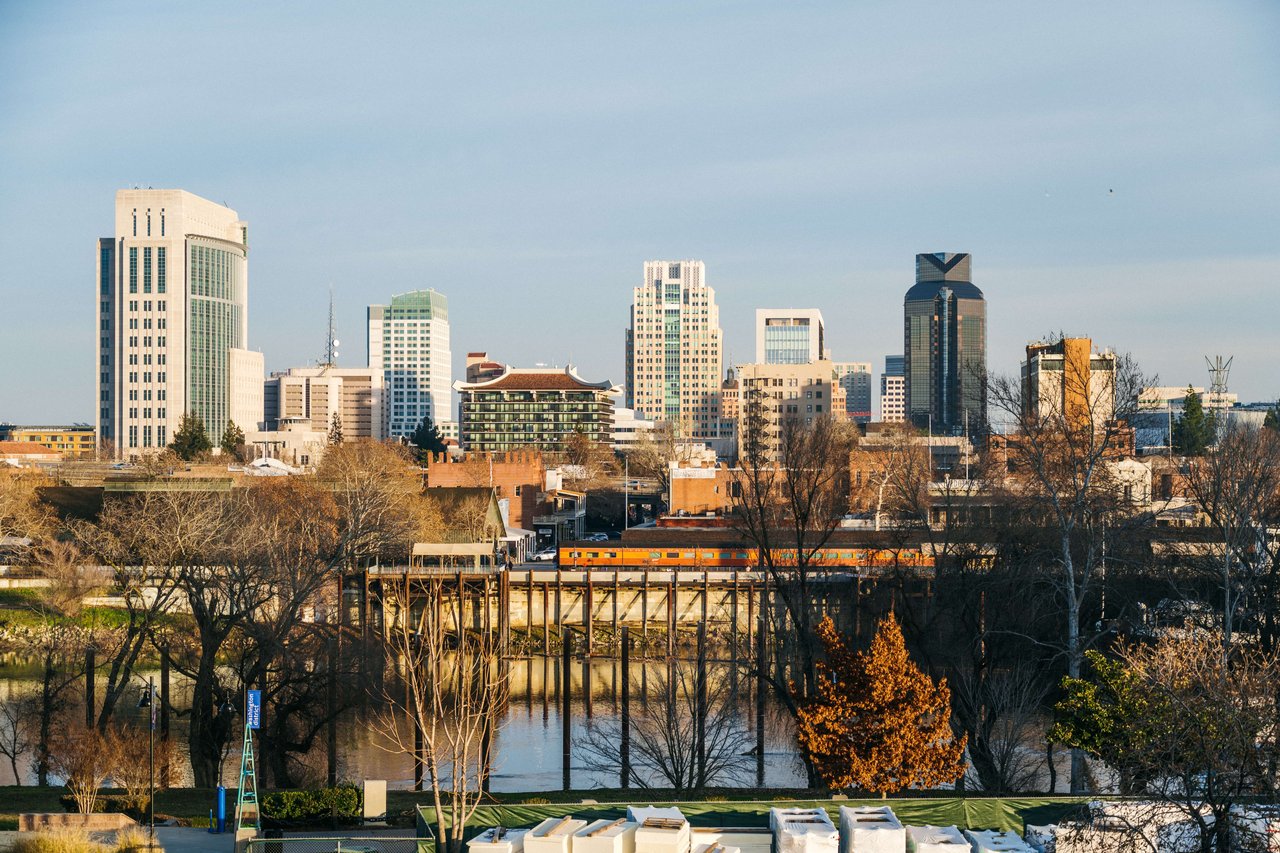
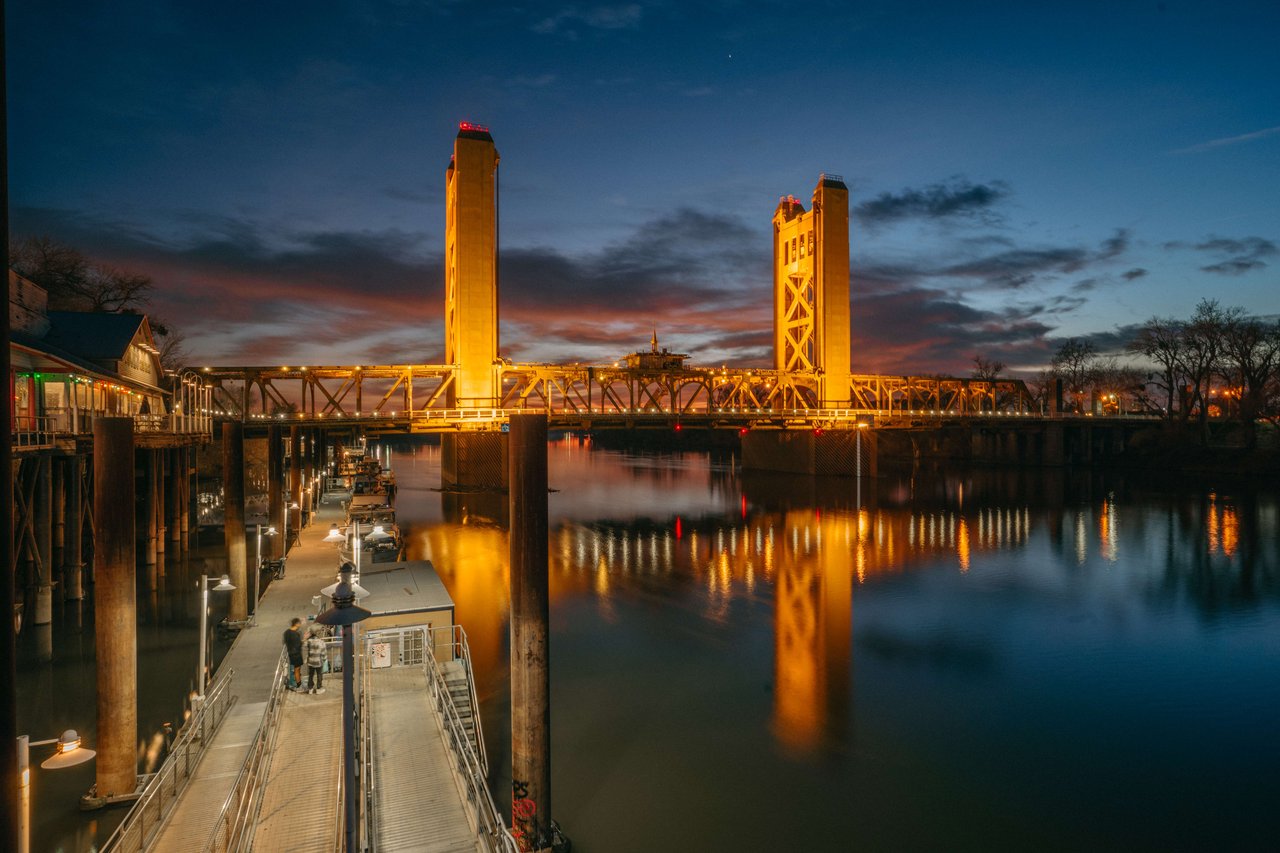
The Sacramento and American rivers are another defining feature, creating an extensive recreational backdrop through the heart of the city. Add an established urban forest, a nationally recognized farm-to-fork dining scene, professional sports, major healthcare and educational institutions, and the State of California's enormous employment presence, and Sacramento offers an unusually complete combination of lifestyle and opportunity. As the center of a metropolitan area of more than 2.5 million people, the city also provides access to a much larger regional economy while maintaining a strong identity of its own.
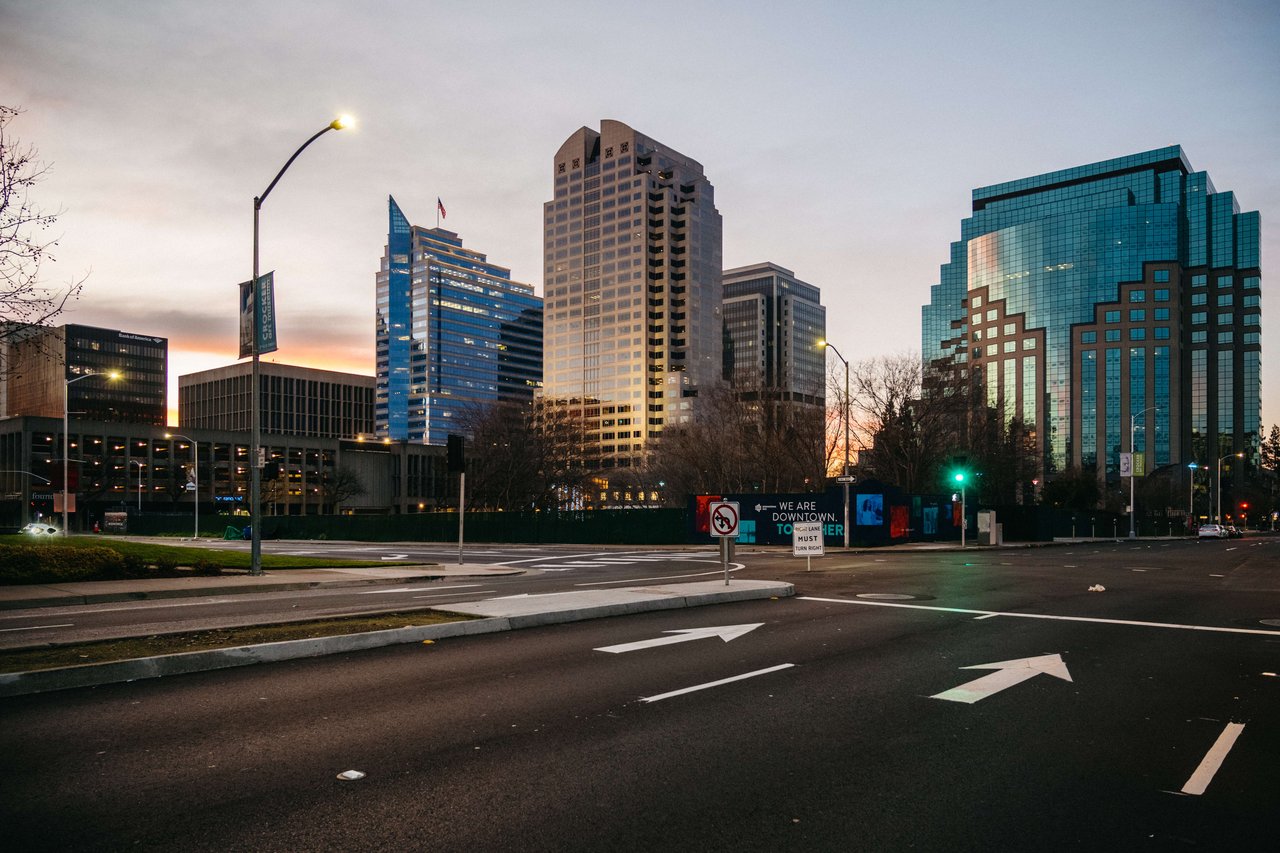
Sacramento offers a lifestyle that blends urban energy with the accessibility and outdoor orientation that define much of Northern California. Residents can spend a morning running or cycling along the American River, meet friends for coffee or dinner in Midtown, attend a Kings game or concert Downtown, explore the farmers market, catch live music, or simply enjoy one of the city's many neighborhood parks. The relatively compact nature of Sacramento makes it possible to move easily between these different experiences, which is one of the city's advantages over larger metropolitan areas.
The city also has a strong sense of local identity. Farm-to-fork dining, independent businesses, neighborhood gatherings, community festivals, and a growing arts and cultural scene are woven into everyday life. Sacramento's location at the confluence of the Sacramento and American rivers adds another dimension, with extensive trails, waterways, and open space immediately accessible from the urban core. At the same time, the city's role as the state capital brings a steady calendar of political, civic, cultural, and professional activity that gives Sacramento an energy beyond that of a typical suburban community. For residents, the result is a lifestyle where restaurants, entertainment, recreation, culture, employment, and outdoor activities are all part of the same community.
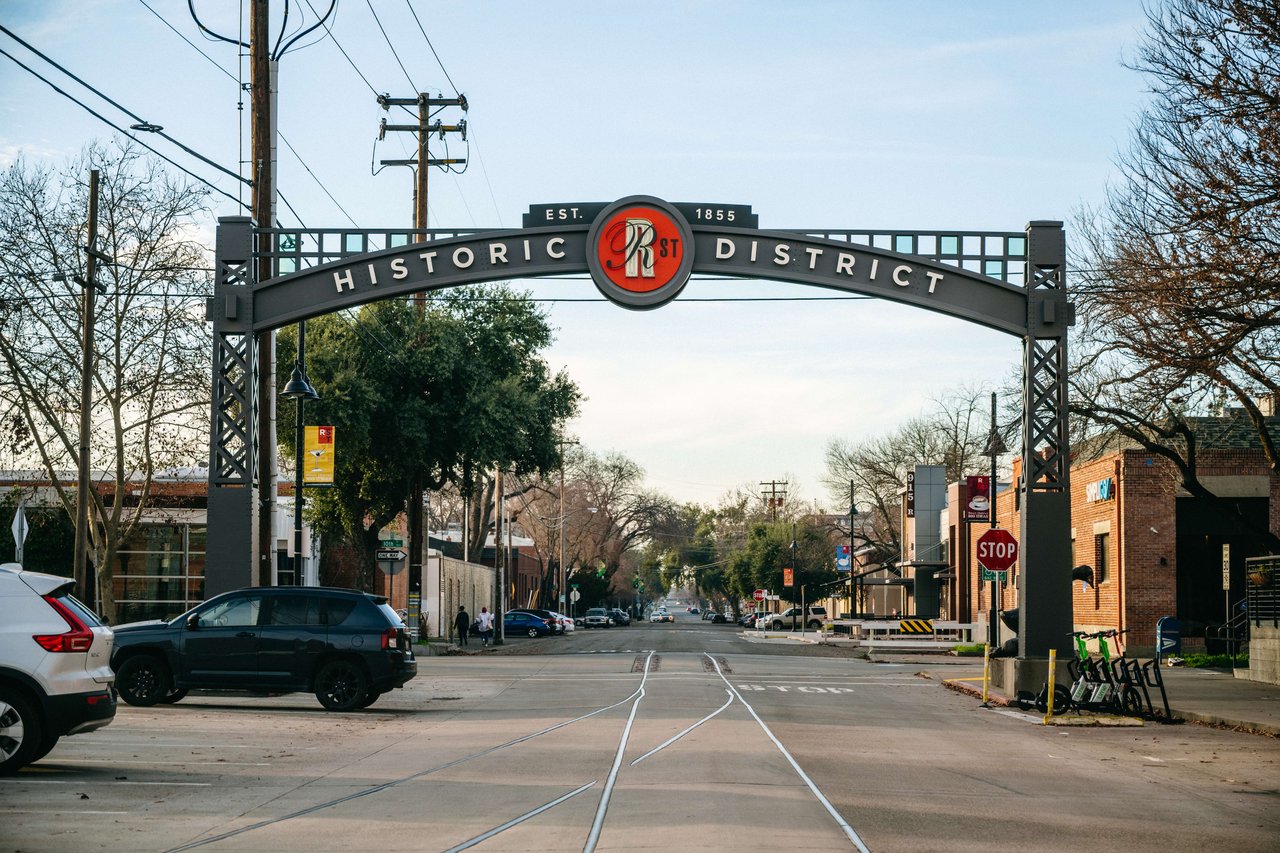
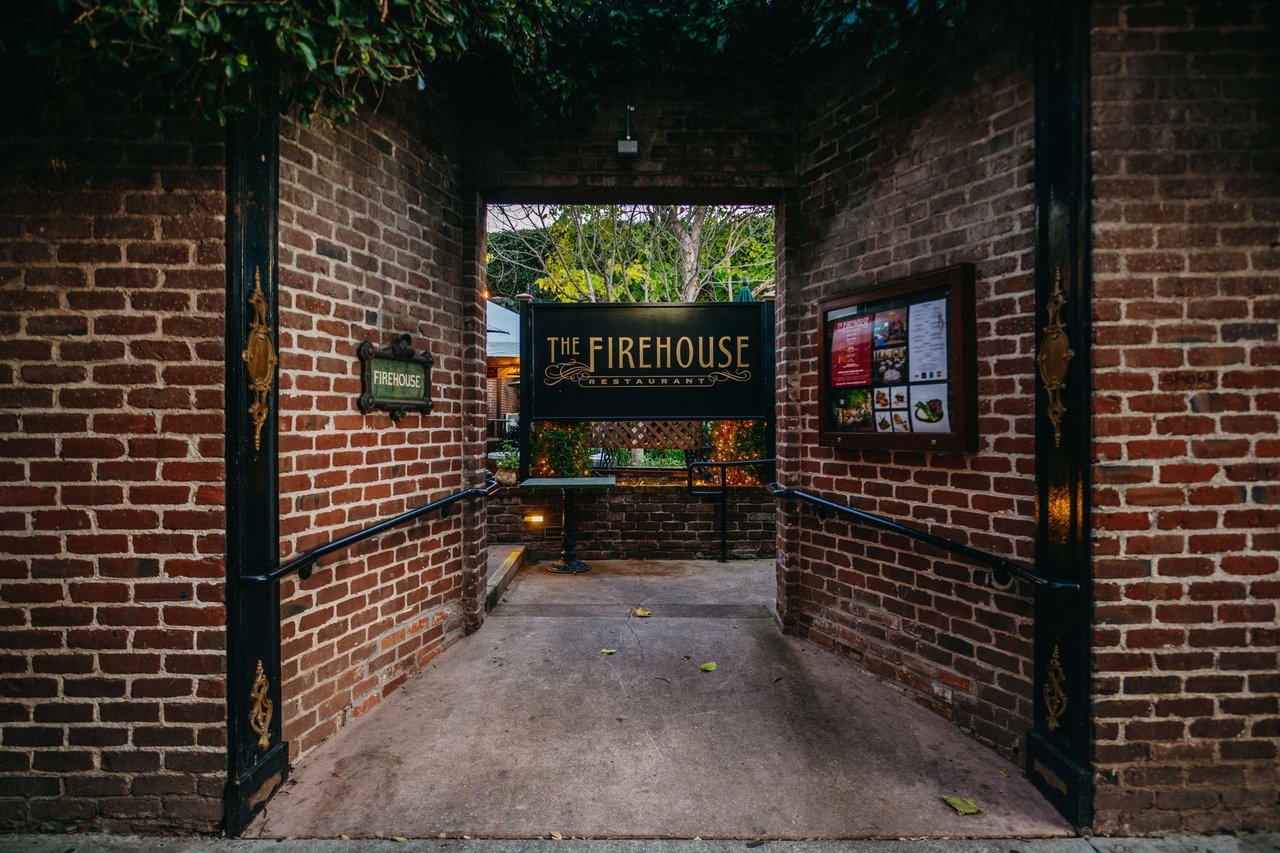
Sacramento's dining scene is one of the city's defining lifestyle assets. The region's agricultural abundance helped establish Sacramento's "Farm-to-Fork" identity, and locally sourced ingredients remain a prominent part of the restaurant culture. Midtown, Downtown, East Sacramento, and the R Street Corridor offer particularly strong concentrations of independent restaurants, cafés, breweries, cocktail bars, and specialty businesses. Local standouts include The Kitchen, Mulvaney's B&L, Waterboy, and Canon, along with the many smaller restaurants and neighborhood establishments that give each district its own character.
Entertainment ranges from major professional sports and concerts to theater, live music, and cultural events. Golden 1 Center is home to the Sacramento Kings and hosts major concerts and events, while Sacramento Republic FC brings professional soccer to the city at Heart Health Park and has developed a particularly strong local following. The SAFE Credit Union Performing Arts Center presents Broadway productions, concerts, and other performances, while museums, galleries, and independent venues add to the city's cultural offerings. Shopping ranges from independent boutiques and specialty stores in Midtown, East Sacramento, and Downtown to larger retail centers such as Arden Fair, with additional shopping and dining destinations in nearby Roseville.
Outdoor recreation is woven into Sacramento's daily life. The American River Parkway provides miles of trails and river access for running, cycling, walking, fishing, kayaking, and other activities, while the Sacramento and American rivers create opportunities for boating and other water-based recreation. The city has more than 4,300 acres of parkland, including destinations such as William Land Park, McKinley Park, and numerous neighborhood parks and green spaces. For residents who enjoy an active lifestyle, the combination of trails, parks, waterways, and Sacramento's generally accessible terrain is a significant asset.
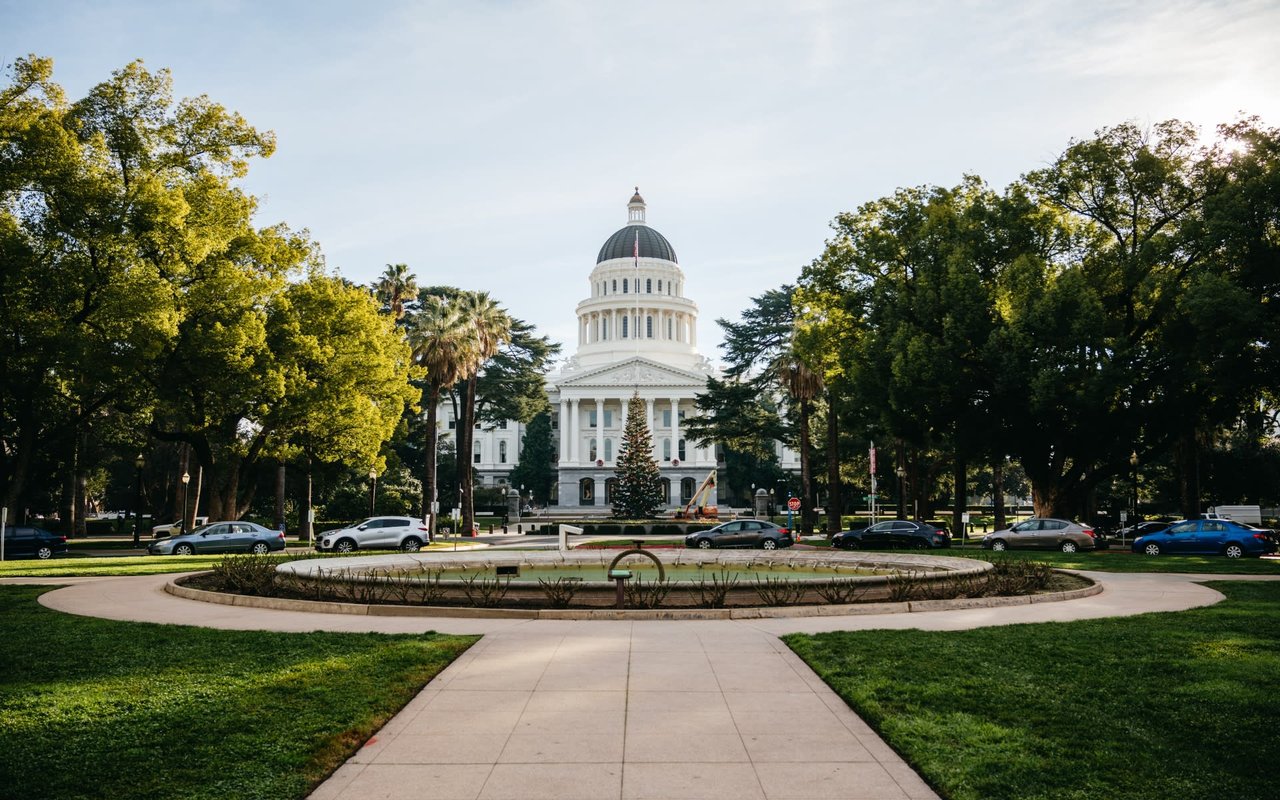
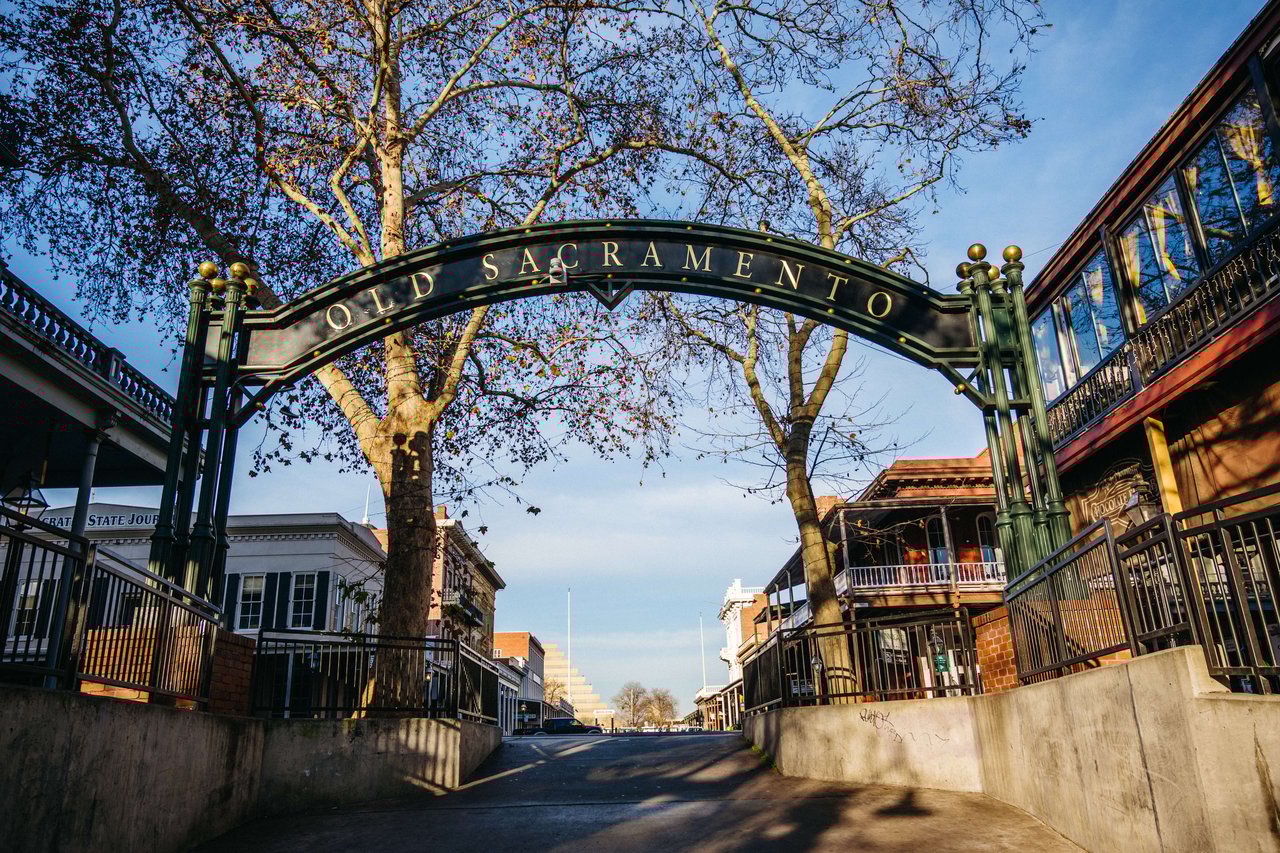
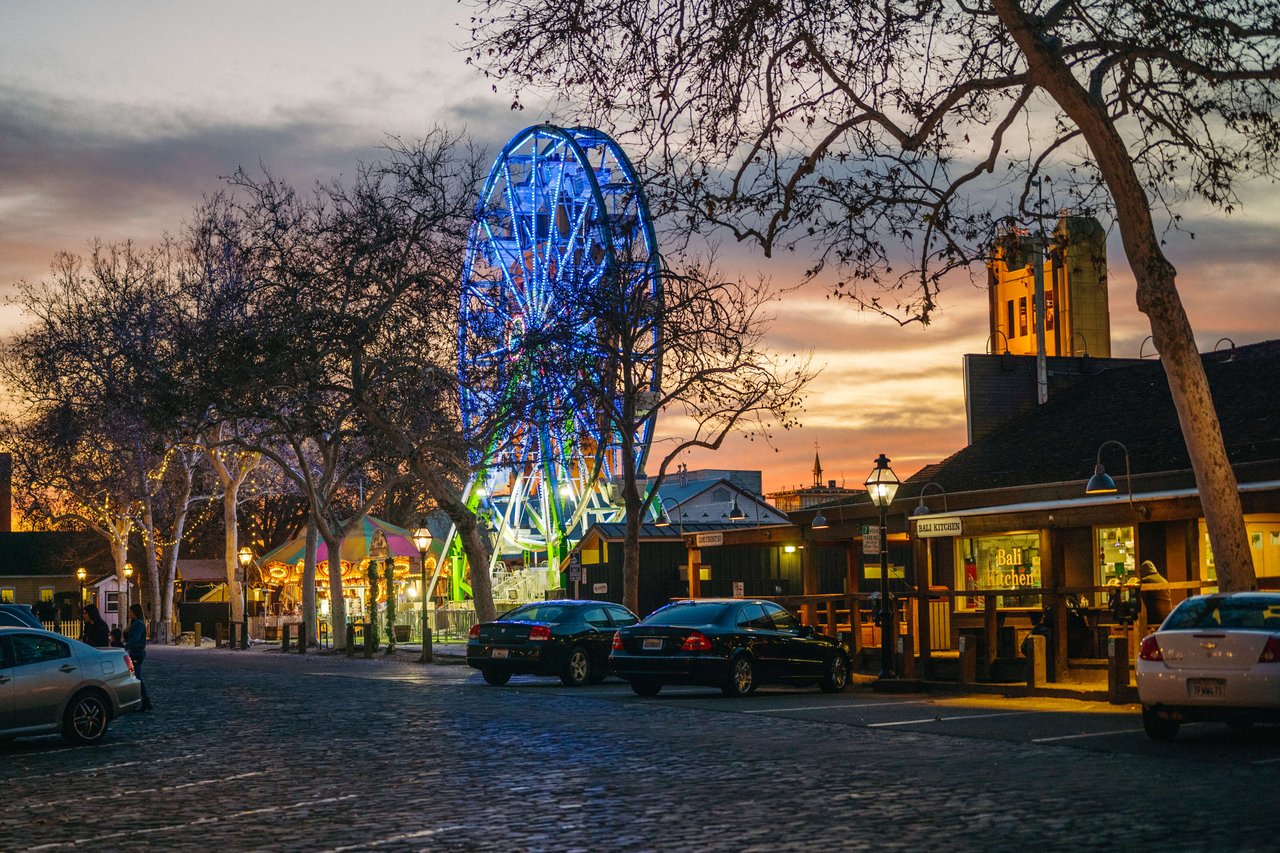
The city also offers an impressive collection of cultural and historic destinations, including the California State Capitol, Crocker Art Museum, Old Sacramento Waterfront, California State Railroad Museum, and Sutter's Fort. Sports fans can attend Sacramento Kings games, Sacramento River Cats baseball in neighboring West Sacramento, or Sacramento Republic FC matches. And with Napa Valley, Lake Tahoe, the Sierra Nevada foothills, San Francisco, and the Northern California coast all within reasonable driving distance, Sacramento is particularly well positioned for weekend travel.
Sacramento's public-school landscape is particularly diverse because several districts serve different parts of the city. Sacramento City Unified School District serves much of the central city, while Natomas Unified, San Juan Unified, Twin Rivers Unified, and Elk Grove Unified serve other areas depending upon the property's location. The city also has a broad selection of charter, private, and parochial schools.
For families considering high school, the options extend well beyond the traditional comprehensive high school model. Sacramento City Unified offers Advanced Placement courses at several campuses, as well as honors programs, International Baccalaureate, Career Technical Education and specialized pathways in areas such as engineering, construction and manufacturing, culinary arts, digital media, law, medicine, and other career fields. The district also offers visual and performing arts, dual-immersion programs, athletics, and smaller specialized high-school environments. Current specialty and honors options include C.K. McClatchy's Humanities and International Studies Program (HISP), John F. Kennedy's AP Capstone, Rosemont's LEAD program, and West Campus High School. Luther Burbank High School offers an IB Diploma Program, while Umoja International Academy offers both Middle Years and Diploma Program opportunities.
Higher education and medical education are also significant parts of Sacramento's educational landscape. California State University, Sacramento, University of the Pacific McGeorge School of Law, and UC Davis Medical Center are all located within the city, adding educational, research, healthcare, and cultural resources to the community.
Because school attendance boundaries can change and may differ from one neighborhood or even one street to another, buyers should always verify the assigned schools and eligibility for specialty programs for a specific property directly with the appropriate district.
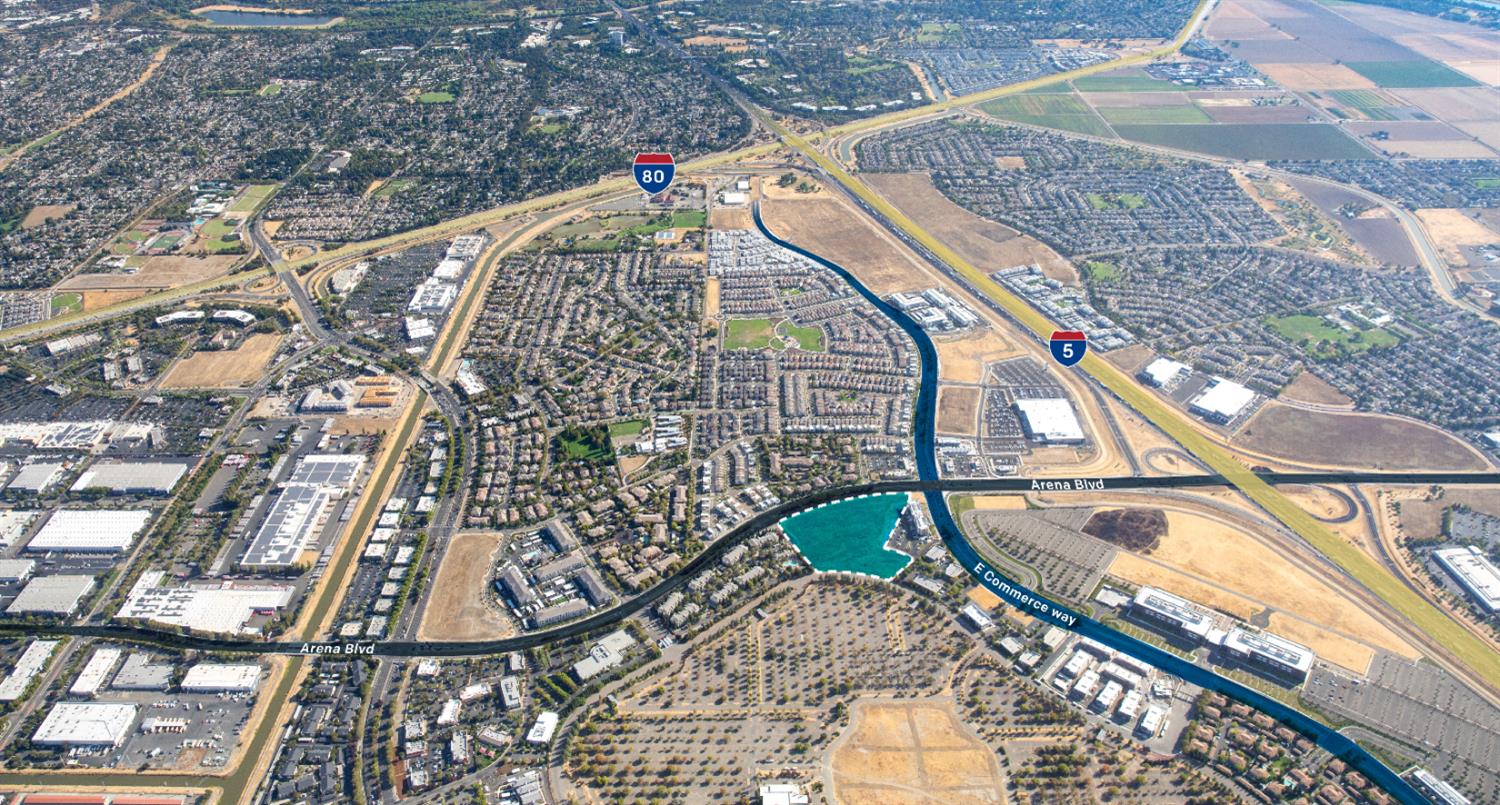
Sacramento's central location within the region makes transportation one of its practical advantages. Interstate 5 provides the primary north-south connection through the city, while Interstate 80 serves the northern portion of the metropolitan area and connects Sacramento with the Bay Area and Lake Tahoe. Highway 50 provides access toward Folsom and the foothills, while Highway 99 connects Sacramento with communities throughout the southern portion of the region.
For those who work Downtown, in state government, at UC Davis Health, or at other major Sacramento employers, living within the city can provide a comparatively short commute. Sacramento Regional Transit also provides light rail service connecting Downtown with portions of the region, while Amtrak's Capitol Corridor offers rail service west through Davis and the East Bay to San Jose. Sacramento International Airport is another significant advantage for residents who travel regularly.
Bay Area commuting by car is possible via Interstate 80, but distance and traffic make a daily drive considerably different from an occasional trip. For professionals who work remotely or travel to the Bay Area periodically, Sacramento's location can provide access to both markets without requiring a daily commute.
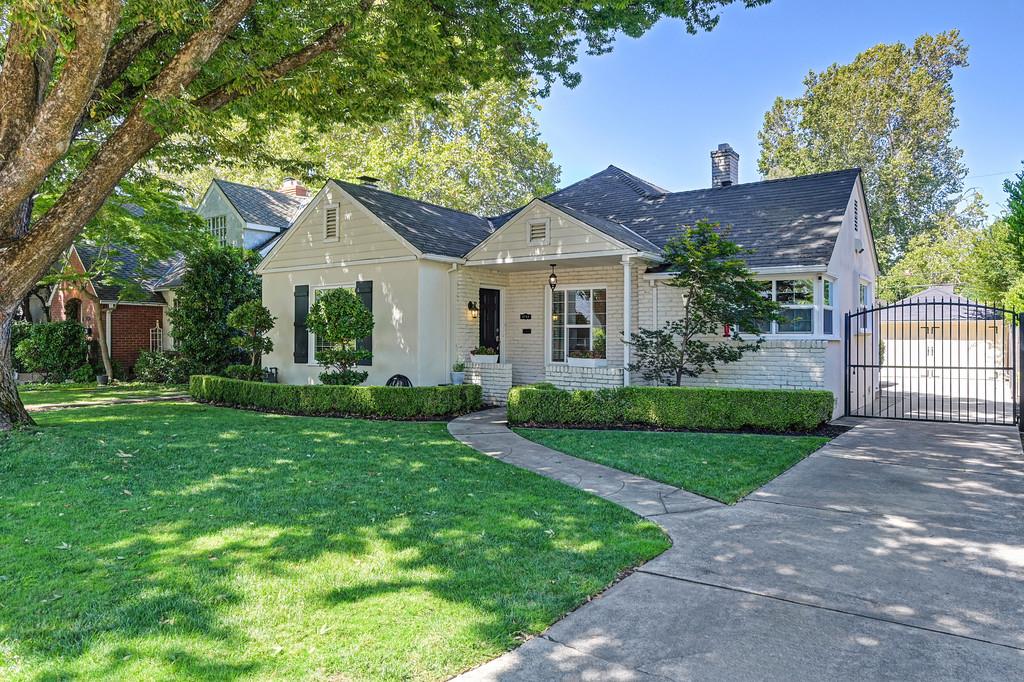
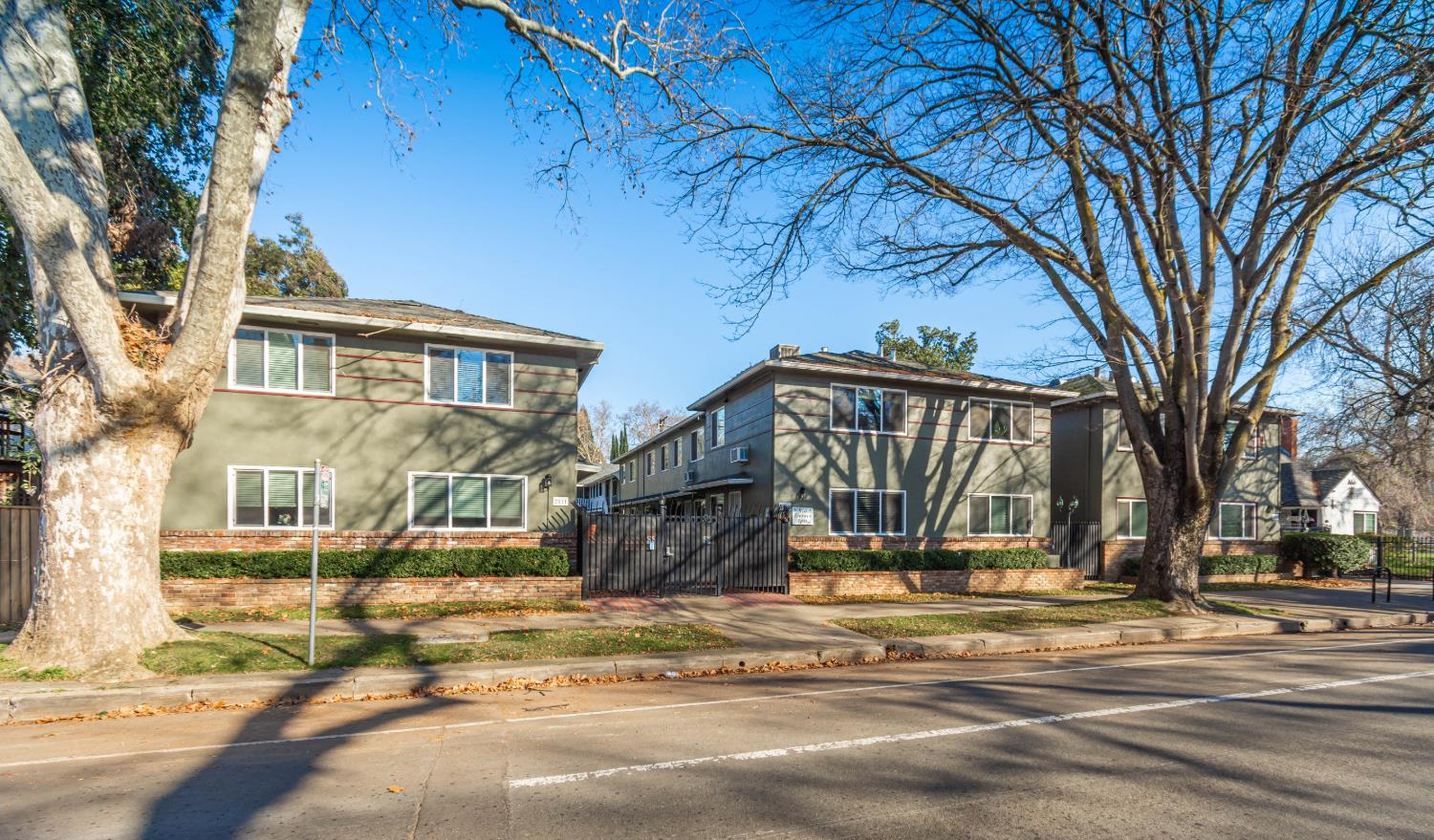
The breadth of Sacramento's housing market allows buyers to choose between historic character, established neighborhoods, urban living, newer construction, and larger properties without leaving the city. From a classic bungalow or historic estate to a contemporary condominium or substantial custom home, Sacramento offers an unusually diverse range of housing within a single community.
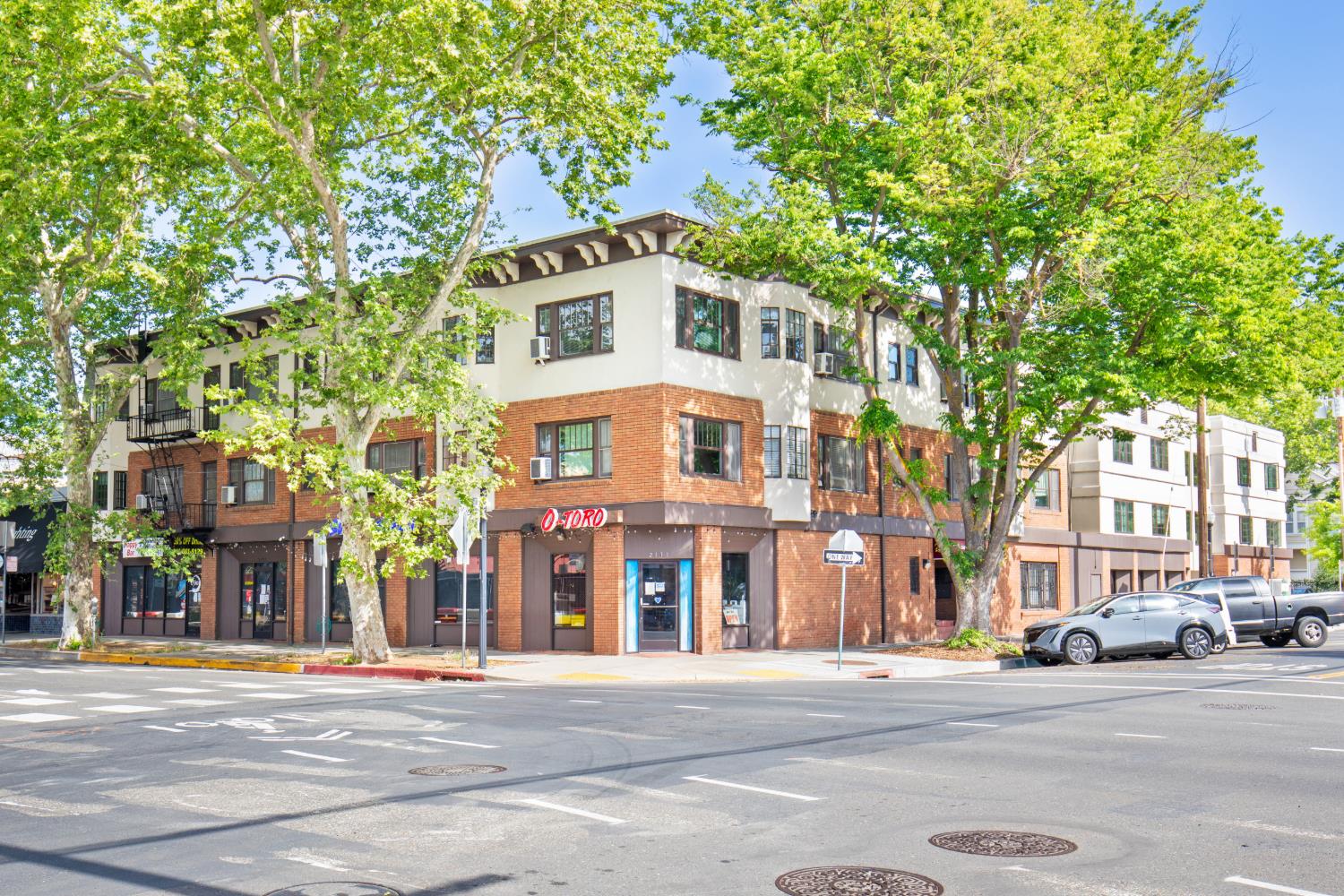
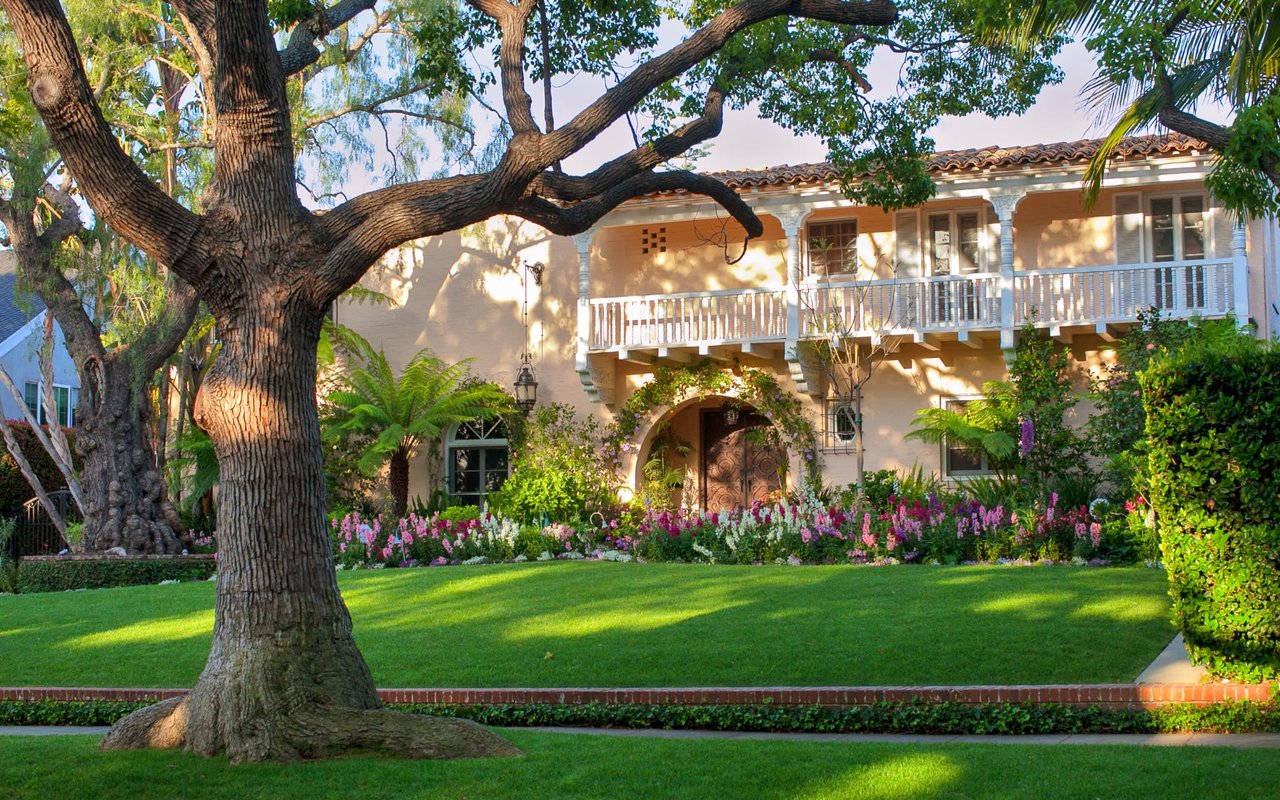
East Sacramento features Craftsman bungalows, Tudor and Spanish-style homes, cottages, and substantial historic residences, with the Fabulous Forties known for some of the city's most significant properties. Land Park and Curtis Park offer established neighborhoods dominated by early- and mid-20th-century homes, mature landscaping, and distinctive architectural character. Midtown and Downtown provide a more urban mix of condominiums, lofts, townhomes, and newer construction.
Pocket-Greenhaven offers larger traditional homes, many near parks and waterways, while Natomas provides newer construction, planned neighborhoods, townhomes, and contemporary floor plans. Throughout Sacramento, buyers can also find gated communities, custom homes, architecturally significant properties, luxury estates, and riverfront residences, adding even more variety to an already diverse housing market.
Sacramento has a population approaching 540,000 residents and serves as the employment center for a metropolitan area of more than 2.5 million people. The city's population includes a broad range of ages, household types, educational backgrounds, and occupations, reflecting Sacramento's role as both the state capital and the region's principal urban center.
Government remains one of Sacramento's defining employment sectors because of the extensive presence of the State of California. Healthcare is another major industry, with UC Davis Health, Sutter Health, Kaiser Permanente, and Dignity Health among the region's significant healthcare employers. Other important employment sectors include education, law, finance, technology, construction, professional services, hospitality, transportation, and small business. Sacramento's substantial employment base is an important distinction for buyers who want the convenience of living close to where they work, while the city's position within the larger metropolitan region provides access to employment centers throughout the surrounding communities.