
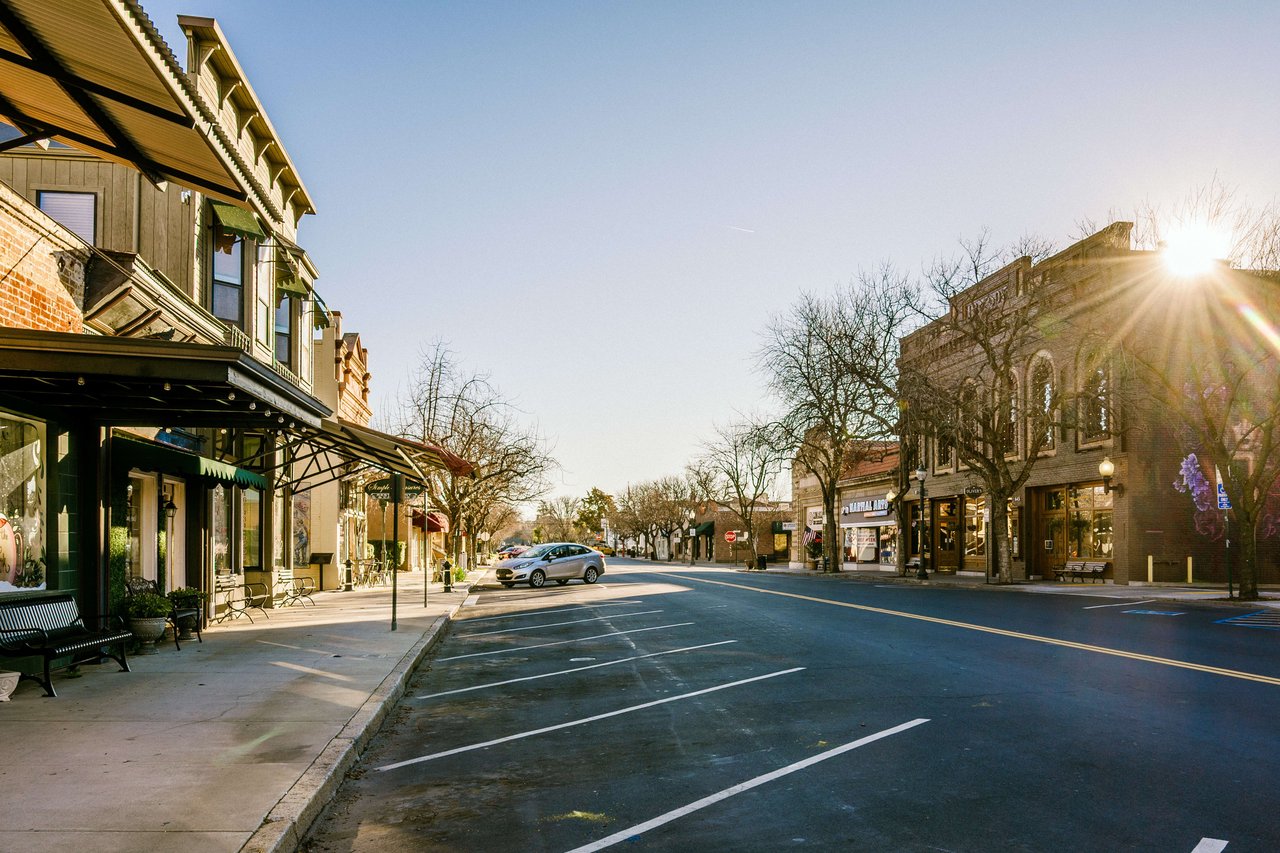
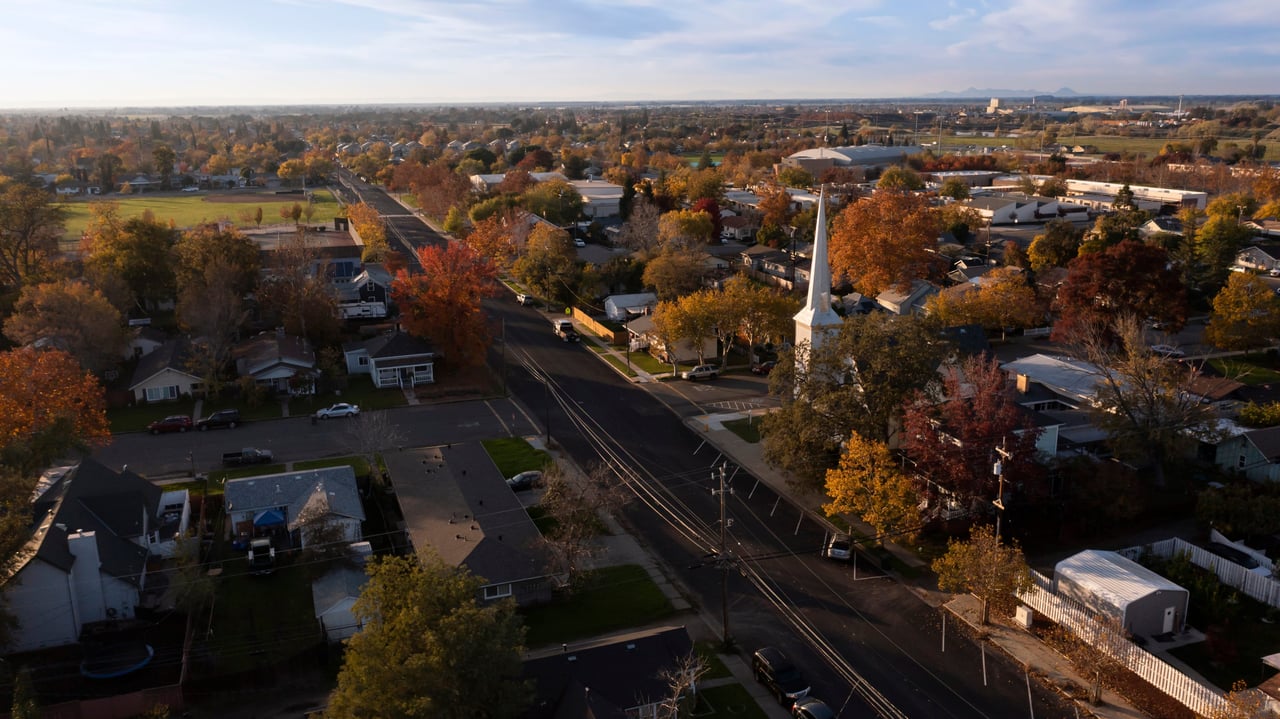
Set along the western edge of the Sierra Nevada foothills in Placer County, Lincoln combines small-town character, newer development, open space, and rolling countryside within one of South Placer County's fastest-growing cities. Historic Downtown Lincoln remains an important part of the community's identity, while continued growth has brought new schools, shopping, restaurants, recreation, and residential development to the surrounding area.
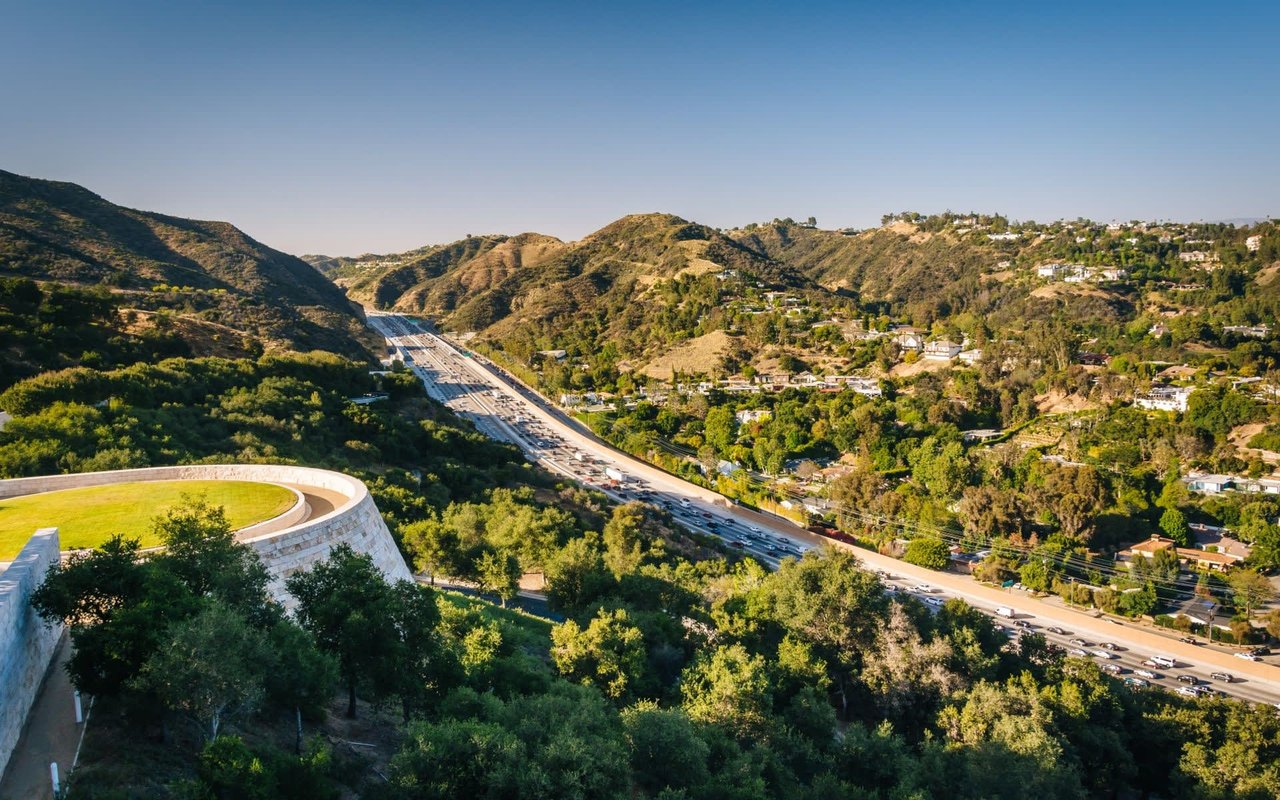
Lincoln has grown considerably while maintaining a more relaxed atmosphere than many larger Sacramento-area communities. Highway 65 provides convenient access to Rocklin, Roseville, and Interstate 80, while the city's location at the edge of the Sacramento Valley places rural roads, ranches, agricultural land, and the foothills close to home. This combination gives Lincoln something increasingly difficult to find in Northern California: room to grow without giving up everyday convenience.
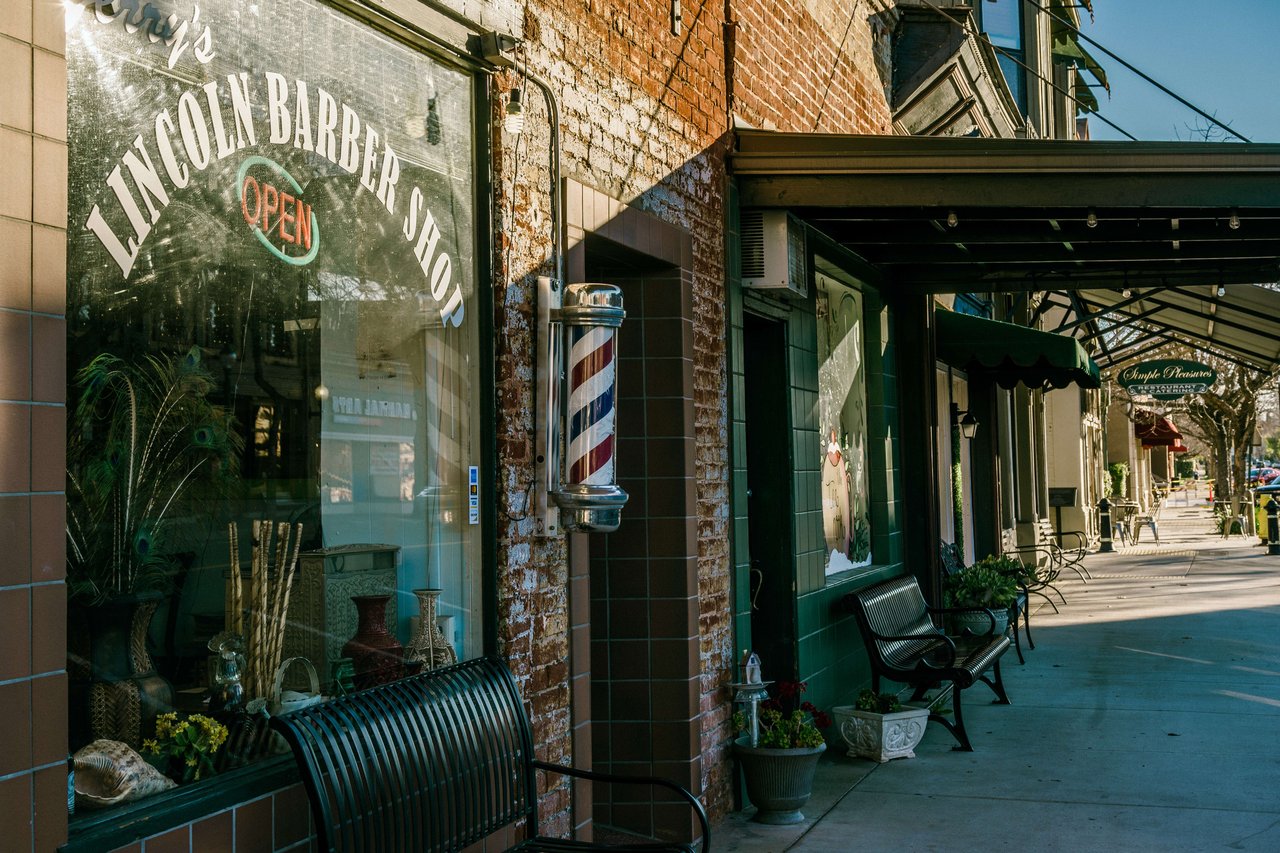
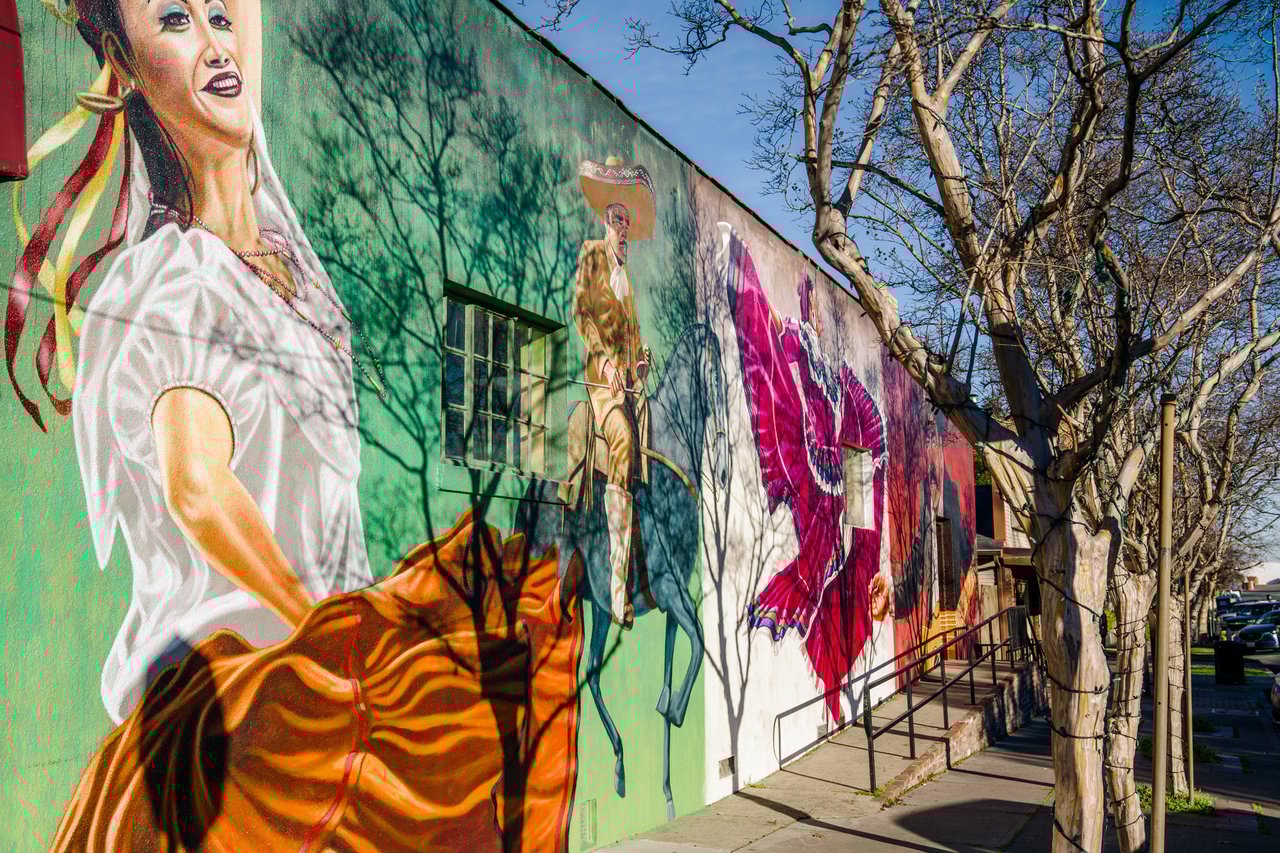
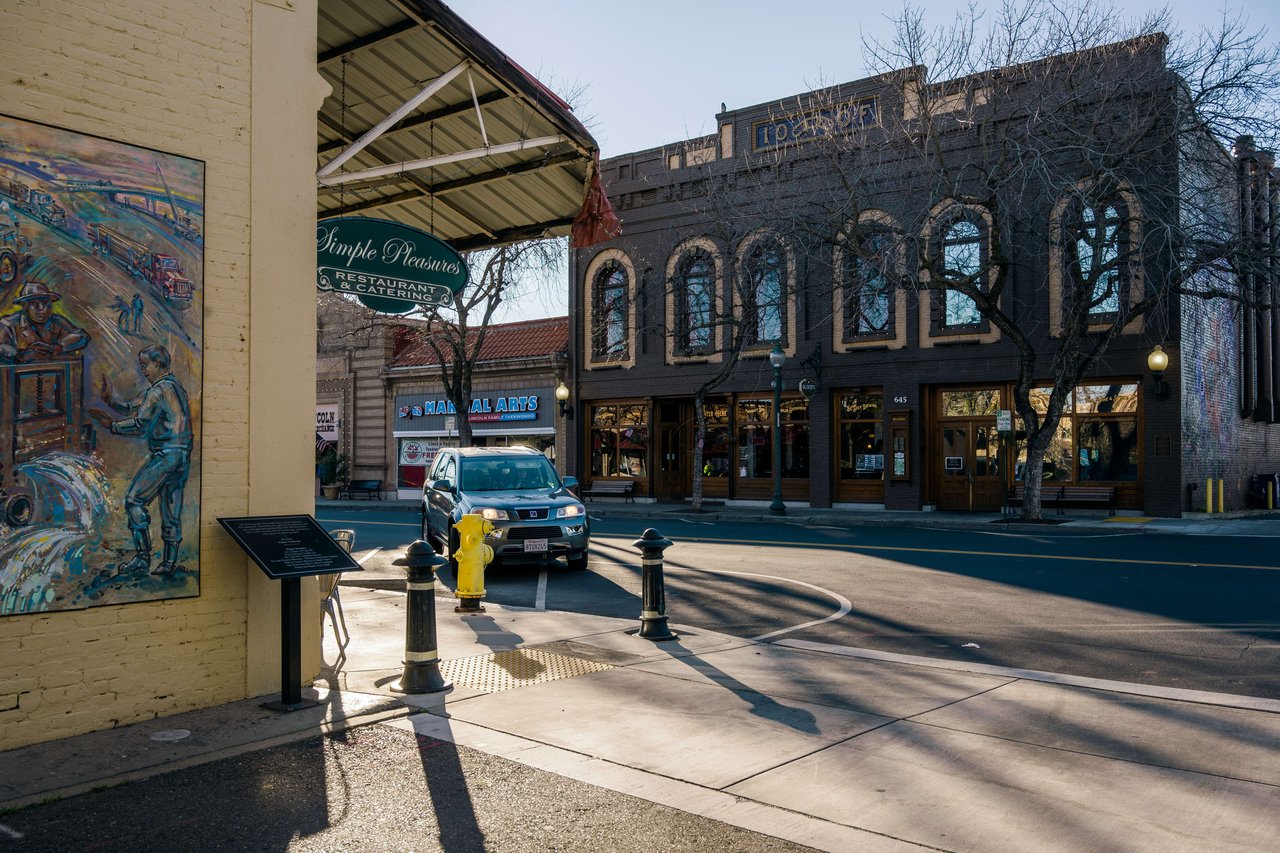
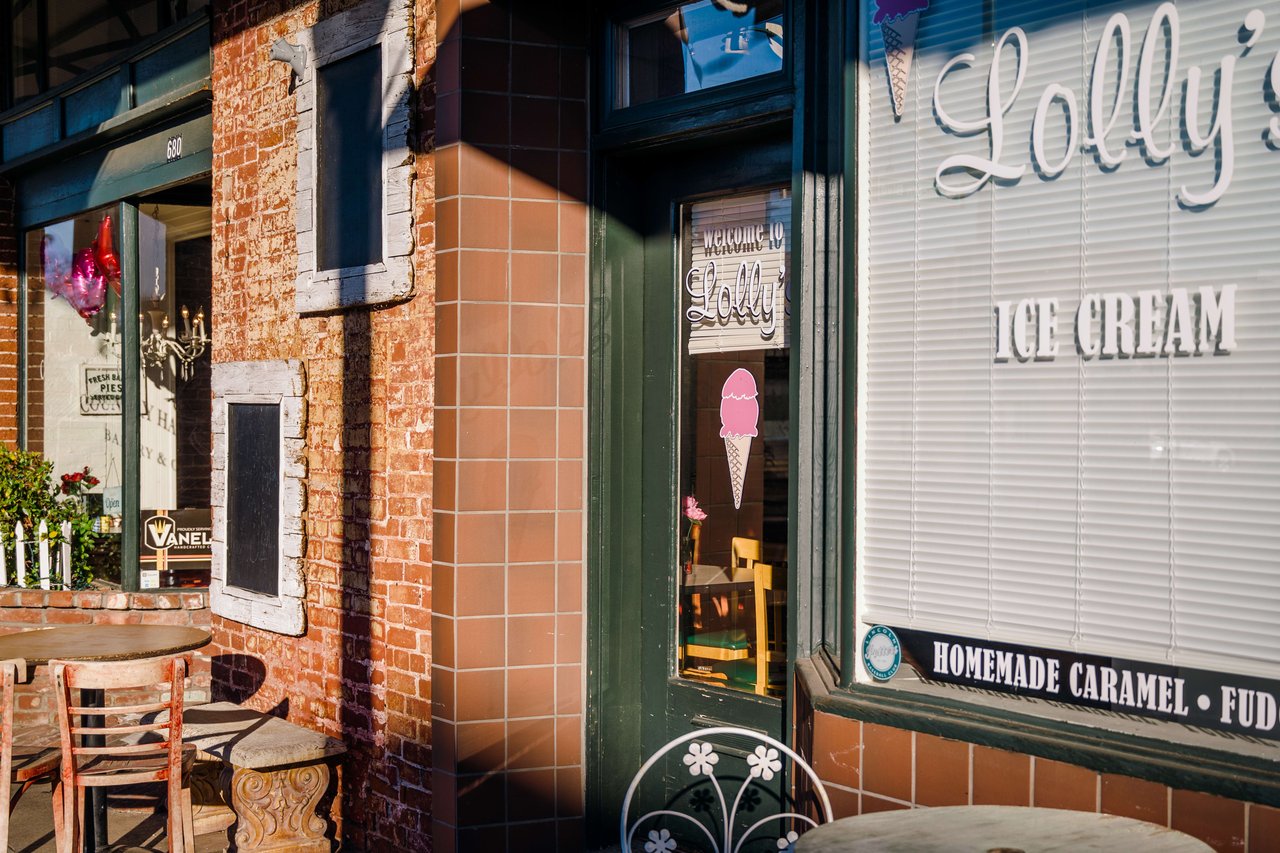
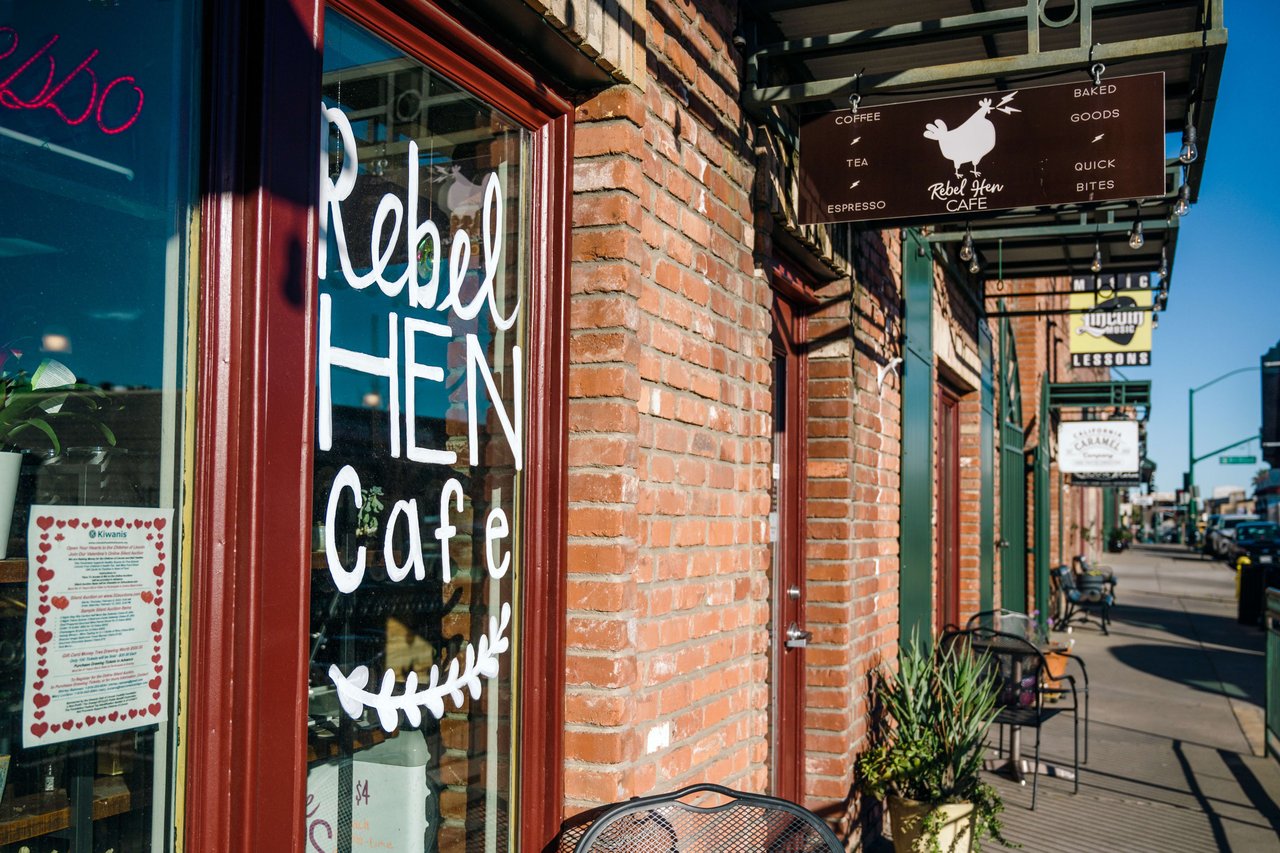
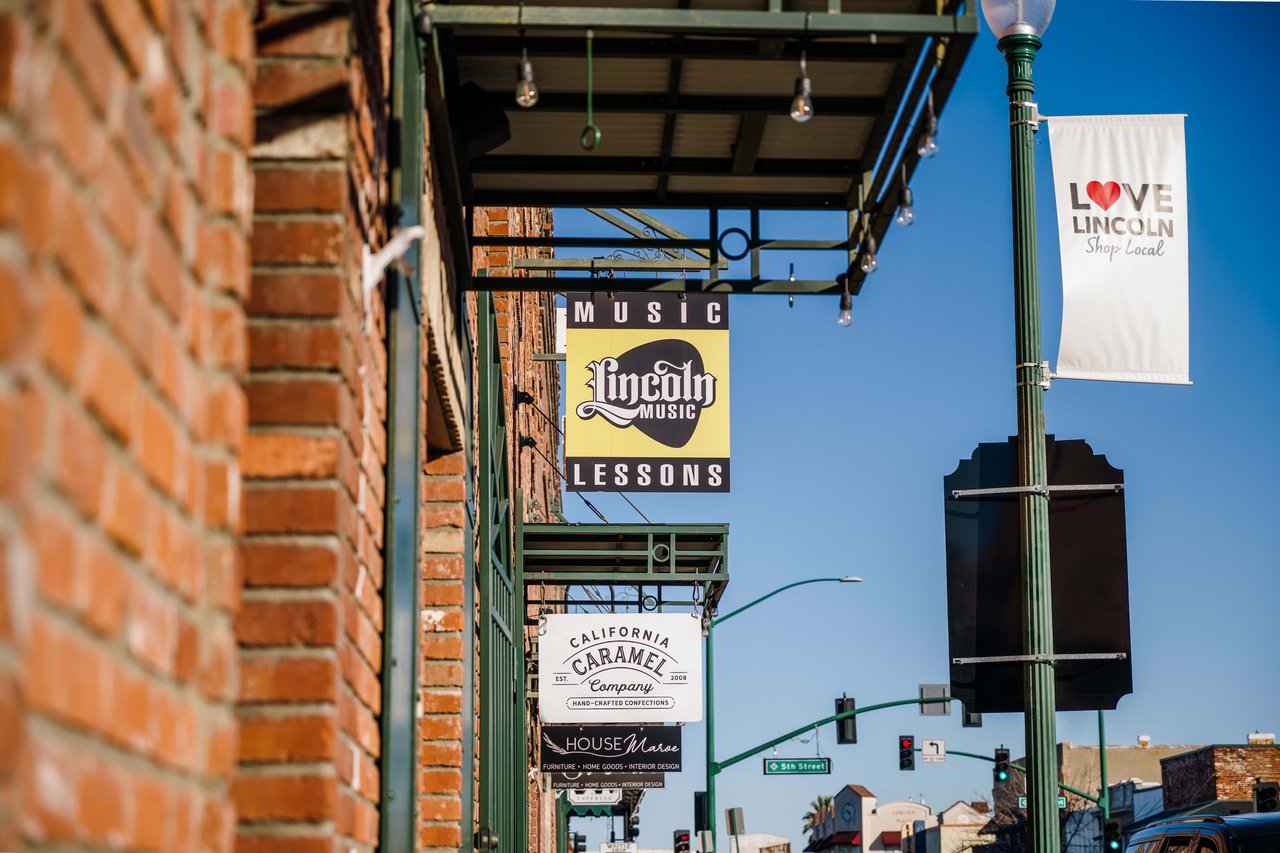
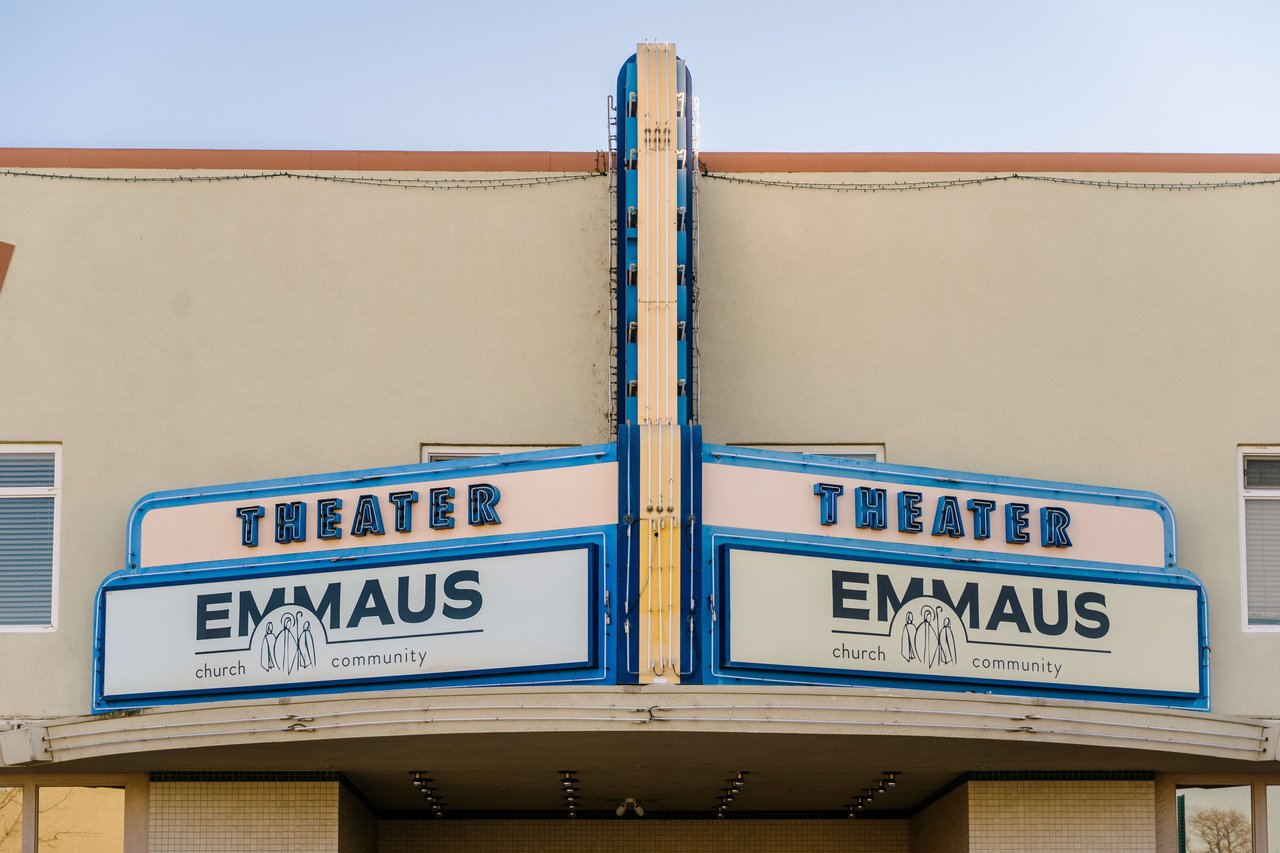
Lincoln's appeal begins with the contrast between its historic roots and the growth occurring around it. Downtown retains the character of the city's earlier years, with historic buildings, locally owned businesses, restaurants, and longstanding community traditions. Outside the city center, the landscape becomes increasingly open, with rolling hills, mature oaks, grasslands, agricultural properties, and views toward the foothills.
That sense of openness is one of Lincoln's distinguishing characteristics. Even as the city has expanded, it remains surrounded by large areas of undeveloped and agricultural land, creating a noticeable transition between the more developed communities of South Placer County and the countryside of western Placer County. Lincoln feels connected to Rocklin and Roseville without simply feeling like an extension of either city.
The city's continued growth has also brought significant investment in schools, parks, roads, commercial areas, and other amenities. Lincoln today feels very different from the small agricultural town it once was, but its historic Downtown, surrounding countryside, and strong community identity continue to give it a sense of place that distinguishes it from many newer suburban communities.
Life in Lincoln tends to feel relaxed and less congested than in neighboring Roseville and Rocklin. Everyday conveniences have expanded considerably as the city has grown, allowing residents to find groceries, restaurants, healthcare, fitness, schools, and many other services close to home. At the same time, Downtown remains a gathering place for local businesses and community events, providing an older, more traditional center to a city that has otherwise experienced extensive newer development.
There is also a noticeable connection to the countryside surrounding Lincoln. Within a relatively short drive, suburban streets give way to country roads, ranches, agricultural land, equestrian properties, and larger acreage. That proximity to open land contributes to Lincoln's more spacious atmosphere and remains an important part of the lifestyle even for residents living within its more developed neighborhoods.
Community traditions continue to play an important role as well. Seasonal celebrations, farmers markets, school activities, local sports, and Downtown events regularly bring residents together. Lincoln has grown into a substantial city, but these traditions help preserve some of the familiarity and community involvement associated with its smaller-town past.
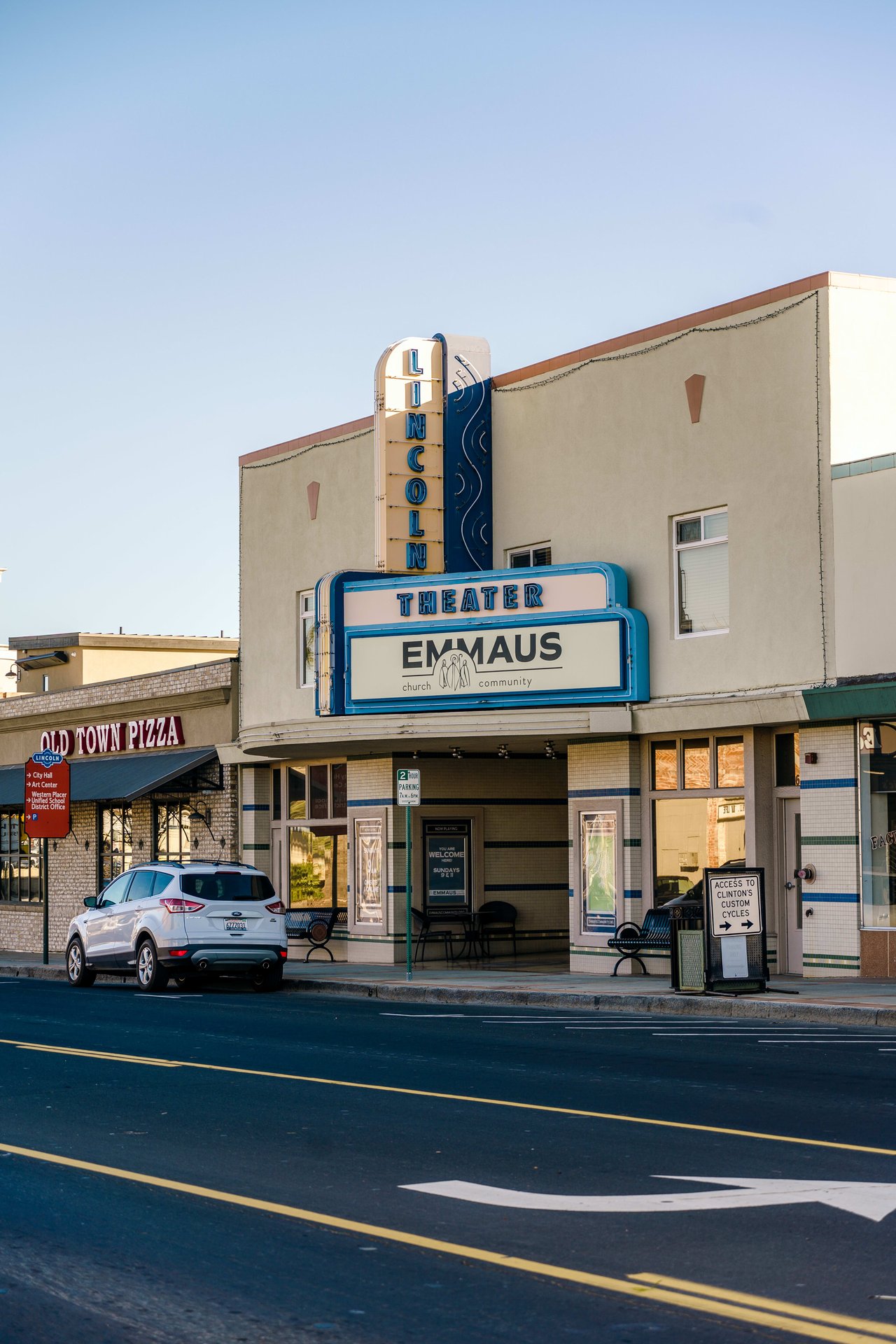
Lincoln's dining scene has become increasingly varied as the city has grown. Historic Downtown remains home to longtime local establishments such as Old Town Pizza and Buonarroti Ristorante, along with cafés, casual restaurants, and locally owned businesses. The Twelve Bridges area has developed a distinctly different dining scene, with restaurants including Omakase Por Favor, which combines a Japanese raw-bar approach with coastal Mexican influences, Fourk Kitchen, Orchid Thai Cuisine, Citizen Vine, and other newer choices.
Thunder Valley Casino Resort is one of the region's largest entertainment destinations and adds an entirely different dimension to Lincoln's dining and entertainment options. The resort includes multiple restaurants, gaming, hotel accommodations, a spa, and The Venue at Thunder Valley, which brings nationally touring musicians, comedians, and other performers to the area.
Shopping is distributed among several commercial areas, including Lincoln Crossing Marketplace, Lincoln Hills Town Center, Sterling Pointe Center, and neighborhood centers throughout the city. For a broader selection of major retailers, restaurants, and entertainment, Rocklin and Roseville are only a short drive south on Highway 65, including Westfield Galleria at Roseville and The Fountains at Roseville.
Lincoln provides an impressive amount of recreation for a city of its size. The city maintains 25 municipal parks along with numerous trails and open spaces distributed throughout the community. McBean Park, a 24-acre park near Downtown, is one of Lincoln's longstanding recreational centers, with a public pool, playground, sports fields, basketball, picnic areas, a dog park, and McBean Stadium. The stadium is home to Lincoln Little League, Jessup University baseball, and the Lincoln Potters, giving residents the opportunity to enjoy summer baseball in a classic community ballpark setting.
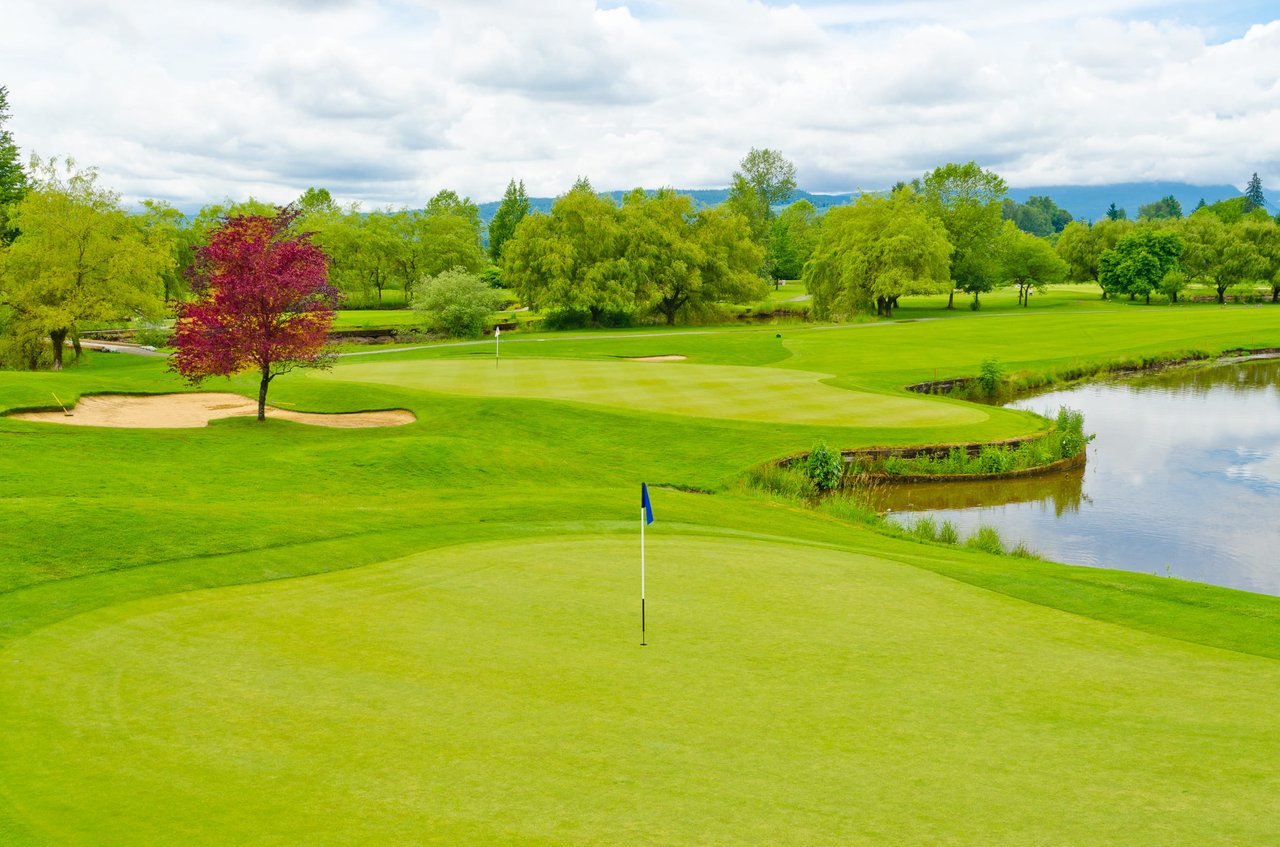
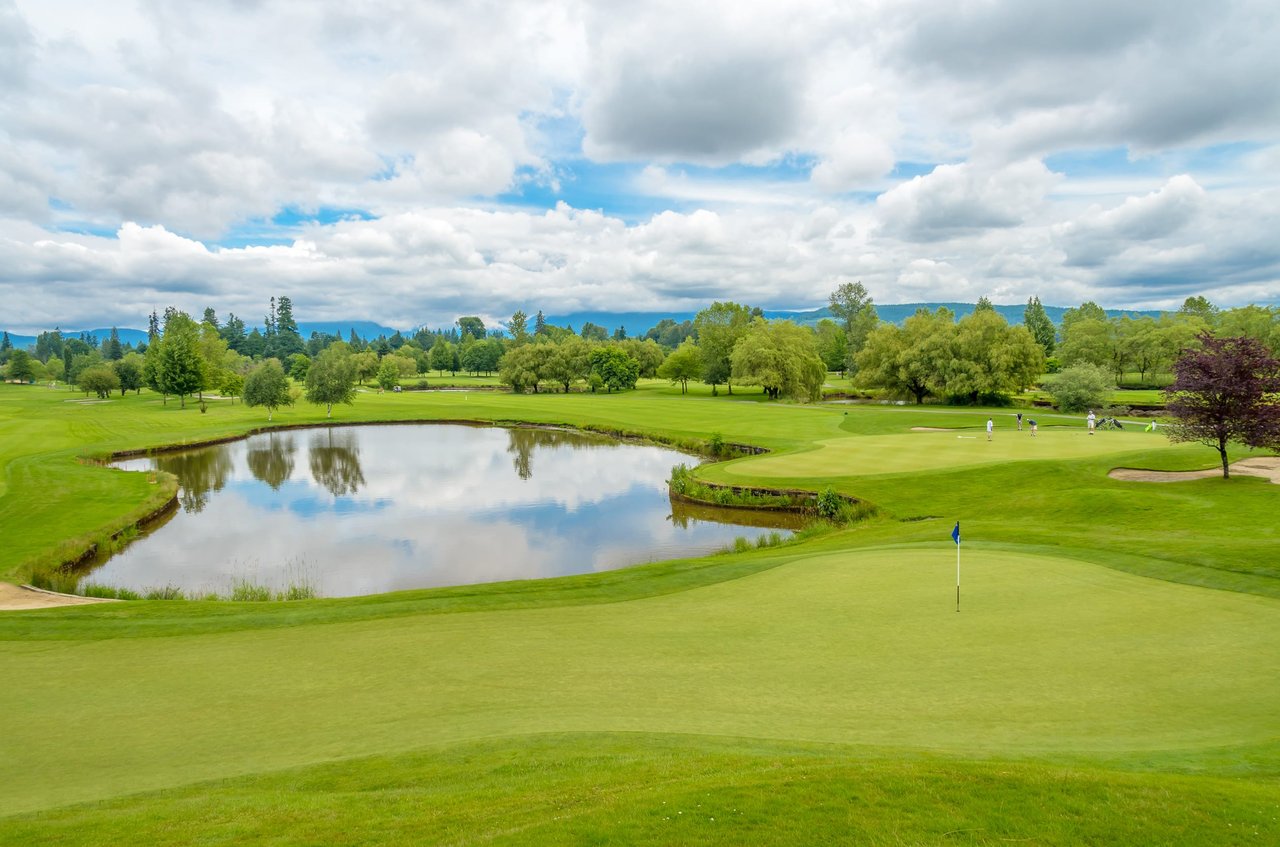
Golf is another defining part of Lincoln's recreational landscape. Catta Verdera Country Club provides private golf, Lincoln Hills Golf Club offers 36 holes, and Turkey Creek Golf Club provides another option in the rolling terrain east of the city's more developed areas. Walking, running, and cycling are also popular throughout Lincoln's extensive neighborhood trail systems and along quieter roads surrounding the city.
Lincoln maintains an active calendar of community events throughout the year. Downtown celebrations, farmers markets, seasonal festivals, car events, and the annual Fourth of July festivities at McBean Park provide regular opportunities for residents to gather. Lincoln Theatre Company adds live theater to the local arts scene, while Thunder Valley brings major concerts and entertainment to The Venue.
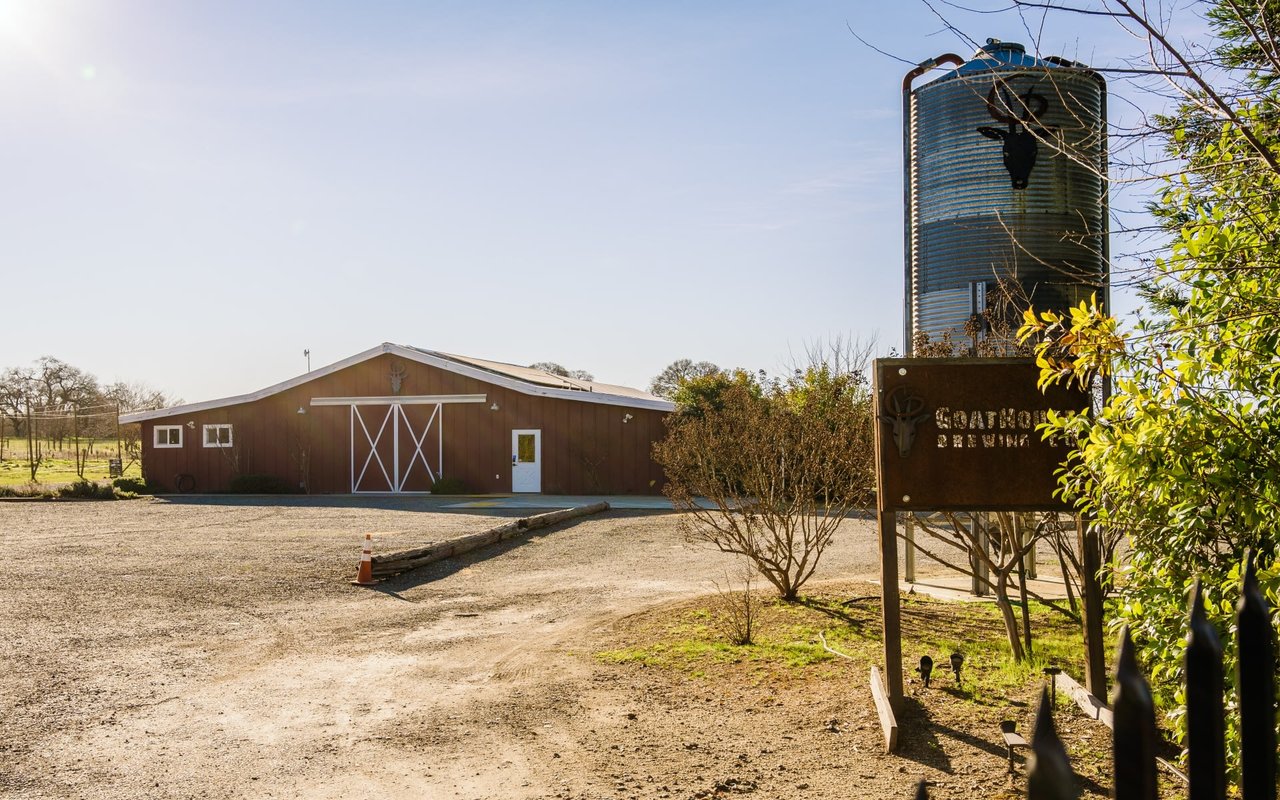
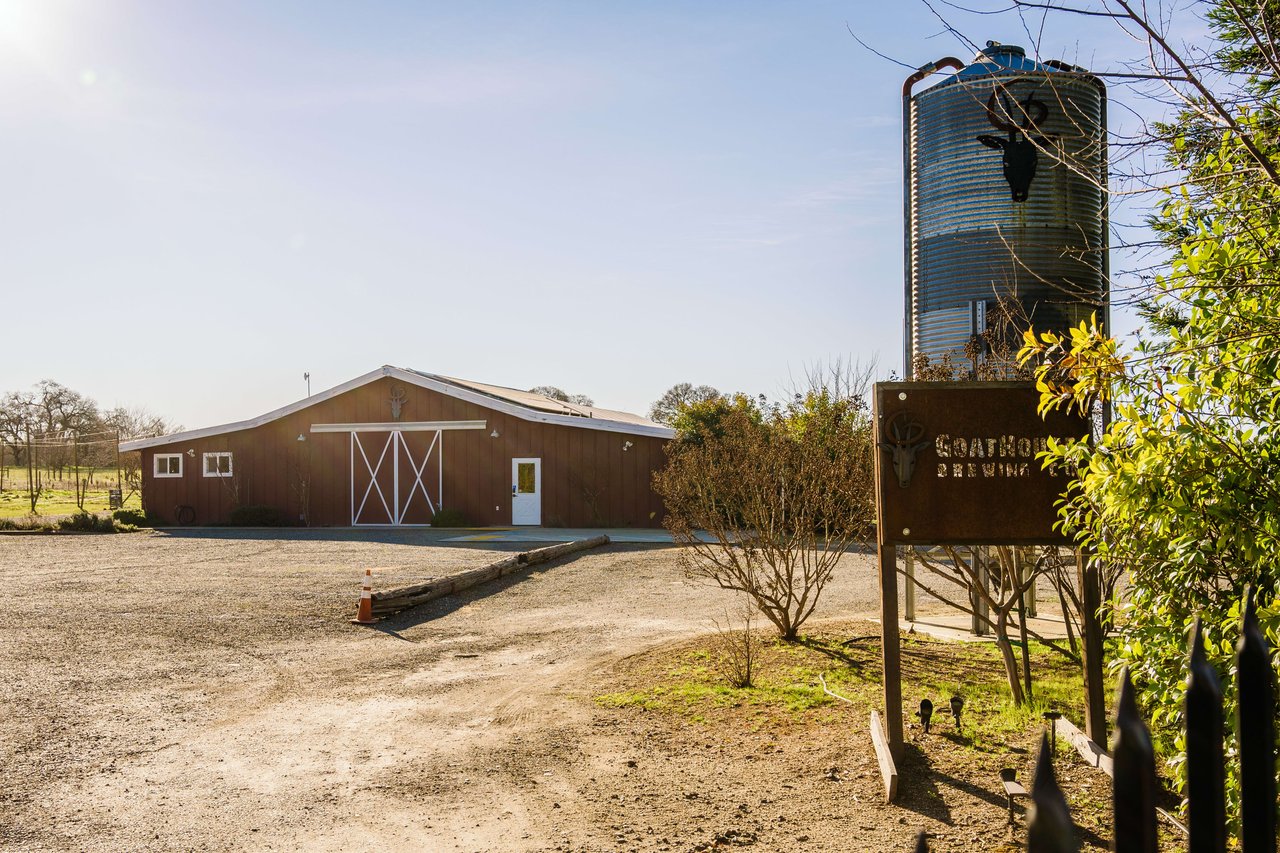
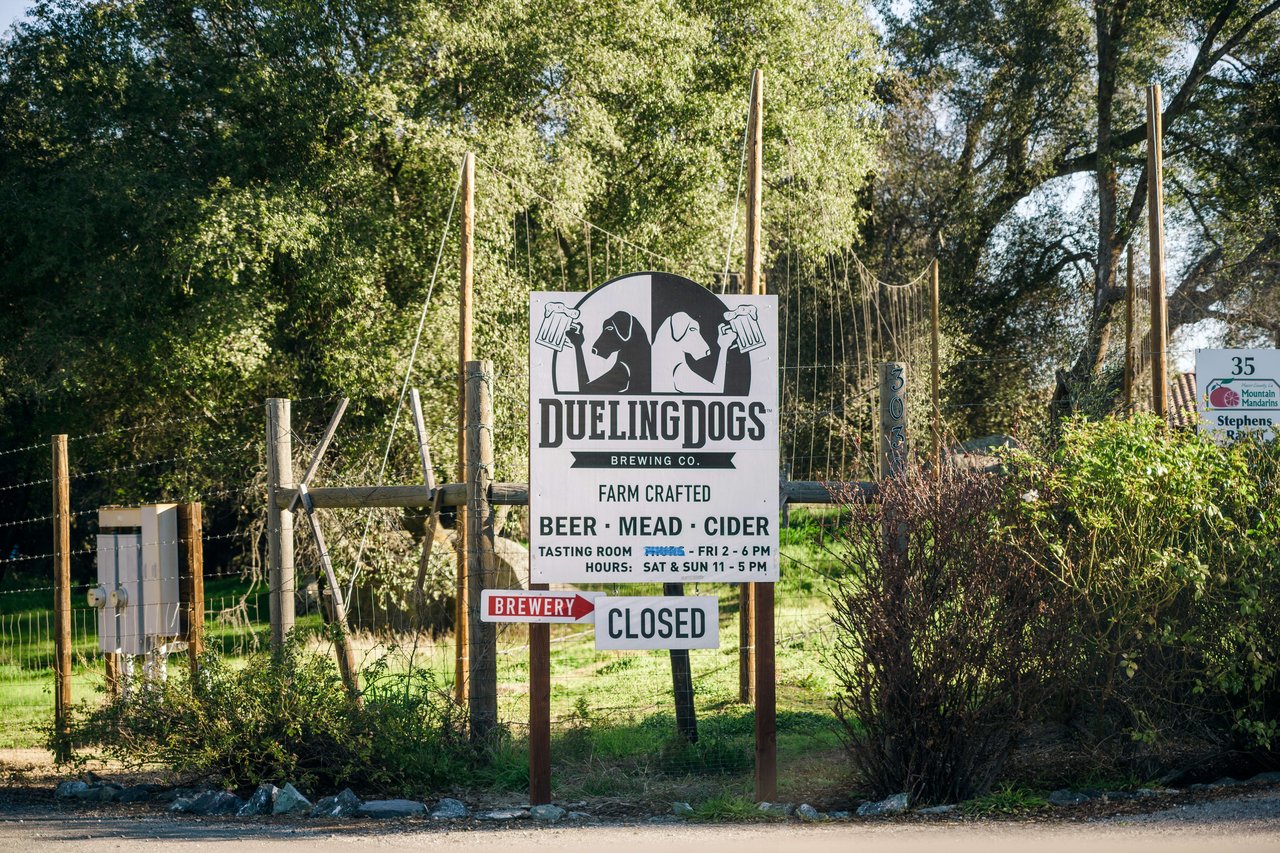
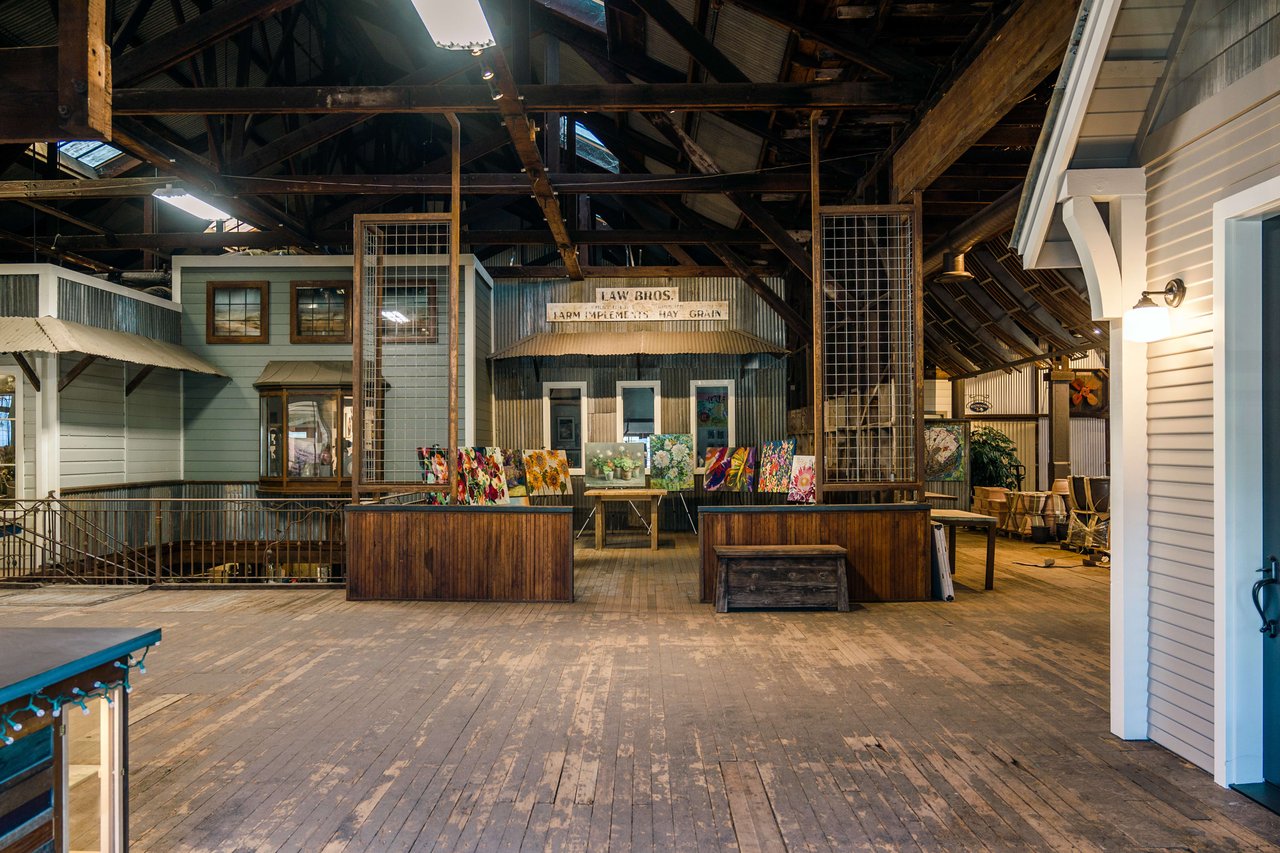
Lincoln's agricultural heritage remains an important part of the area's character, with working farms, orchards, and seasonal agricultural experiences throughout the surrounding countryside. Fowler Ranch, a family farming operation dating back to 1885, offers a farmers' market, seasonal activities, and a farm brewery with food and entertainment. Just a short drive away in neighboring Newcastle, Hillenbrand Farmhaus Brewery offers another distinctive agricultural experience, combining craft beer with a scenic 13-acre farm where hops, fruit, and honey are produced on-site. Together, these destinations reflect the area's agricultural traditions and provide residents with opportunities to enjoy locally grown products, outdoor gatherings, and the surrounding Placer County countryside.
Lincoln's location also makes regional recreation particularly accessible. Folsom Lake, Auburn, the American River Canyon, and the Sierra foothills provide hiking, cycling, boating, fishing, paddling, and other outdoor activities within a relatively easy drive. Interstate 80 provides access toward Truckee, Lake Tahoe, and the Sierra Nevada for skiing, hiking, mountain biking, and weekend trips.
Lincoln is primarily served by the Western Placer Unified School District, which operates elementary, middle, comprehensive high-school, alternative-education, and independent-study programs throughout the area. Lincoln High School and Twelve Bridges High School serve the city's high-school students, while Twelve Bridges Middle School and Glen Edwards Middle School serve many students in the middle grades. Numerous elementary schools are distributed throughout Lincoln's established and newer neighborhoods.
Both high schools provide college-preparatory coursework along with Advanced Placement, honors, visual and performing arts, athletics, extracurricular activities, and extensive Career Technical Education. Lincoln High School's current CTE pathways include agricultural mechanics and welding, agricultural business, animal science, building and construction trades, ceramics, early childhood education, engineering and architecture, floral design, game design, multimedia production, and sustainable agriculture. Twelve Bridges High School offers additional career-focused pathways in areas including biomedical sciences, broadcasting, business management, software and systems development, video production and film, and visual and commercial art.
Dual-enrollment opportunities allow students to earn both high-school and college credit, with Sierra College serving as a significant partner. Sierra College's main Rocklin campus is also within a short drive and offers associate degrees, transfer programs, career education, and vocational training.
Lincoln also has charter, independent-study, and private-school options, including John Adams Academy and Horizon Charter Schools. Because attendance boundaries can change as Lincoln continues to develop and new schools are added, buyers should always verify assigned schools and eligibility for specialty programs for a specific property directly with the appropriate district.
Highway 65 is Lincoln's primary transportation corridor, connecting the city with Rocklin and Roseville before reaching Interstate 80. Downtown Sacramento is approximately 30 miles away, although commute times can vary considerably depending upon traffic and the starting point within Lincoln. The latest Census Bureau data reports a mean commute of approximately 30 minutes for Lincoln residents.
Roseville and Rocklin are considerably closer and provide major employment centers in healthcare, technology, education, financial services, professional services, retail, and other industries. Lincoln's continued commercial development has also expanded the number of employment opportunities available within the city itself.
Sacramento International Airport is generally within a reasonable drive, while Interstate 80 provides the primary route west toward Sacramento, Davis, Fairfield, and the Bay Area. Daily Bay Area commuting can be lengthy, making Lincoln more practical for professionals who work remotely, follow a hybrid schedule, or travel west periodically. In the opposite direction, Interstate 80 provides convenient access toward Auburn, Truckee, Lake Tahoe, and the Sierra Nevada.
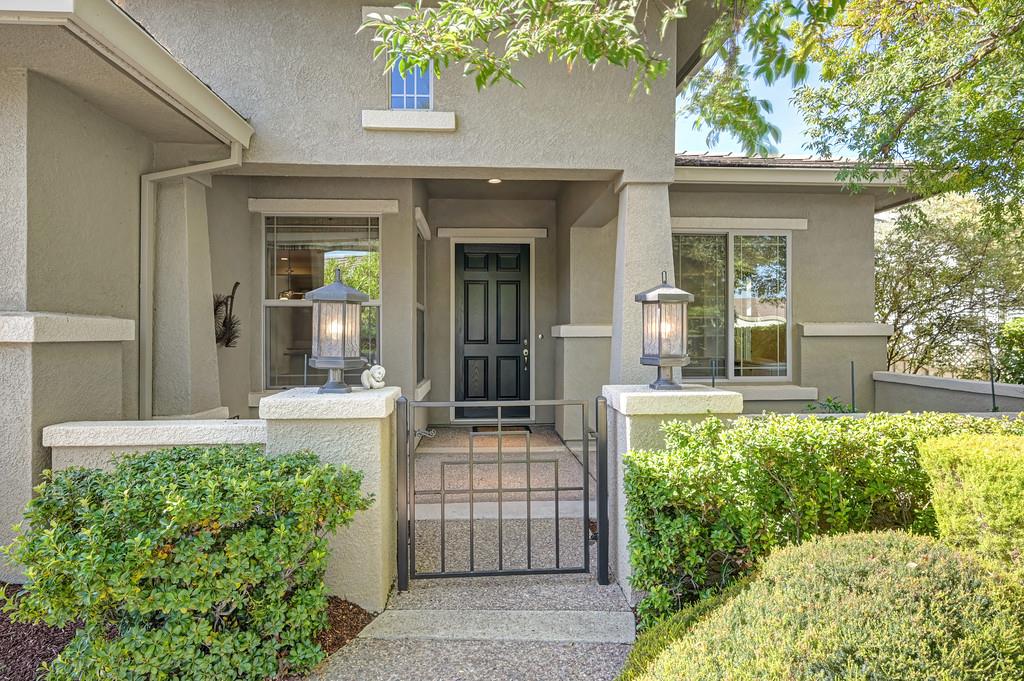
Lincoln's housing reflects both its long history and several decades of significant growth. Historic Lincoln contains some of the city's oldest homes, including Victorian residences, cottages, bungalows, and other character-rich properties surrounding Downtown. These older neighborhoods provide a distinctly different residential setting from the newer development that now makes up much of the city.
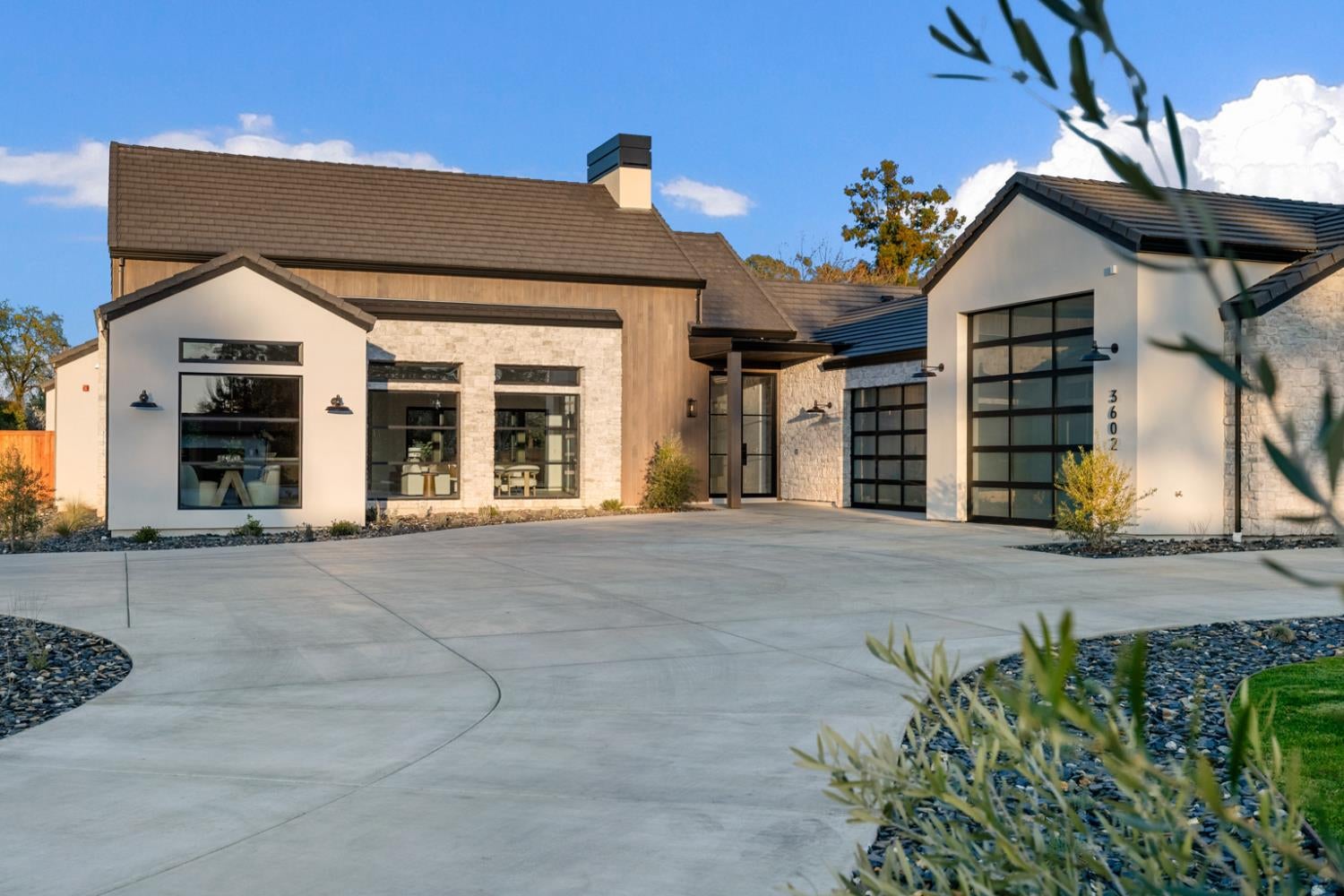
Lincoln Crossing offers master-planned neighborhoods with single-family homes, parks, trails, open space, and community amenities, while Twelve Bridges includes extensive newer construction, schools, parks, trails, and preserved open space along the city's eastern side. Foskett Ranch and other established areas provide additional traditional suburban housing, and continued development throughout Lincoln is adding contemporary homes and new neighborhoods to the market.
Sun City Lincoln Hills represents a significant and distinctive part of Lincoln's housing market. The 55+ community includes thousands of primarily single-story homes along with two 18-hole golf courses, clubhouses, fitness and recreational facilities, trails, restaurants, clubs, and an extensive calendar of resident activities.
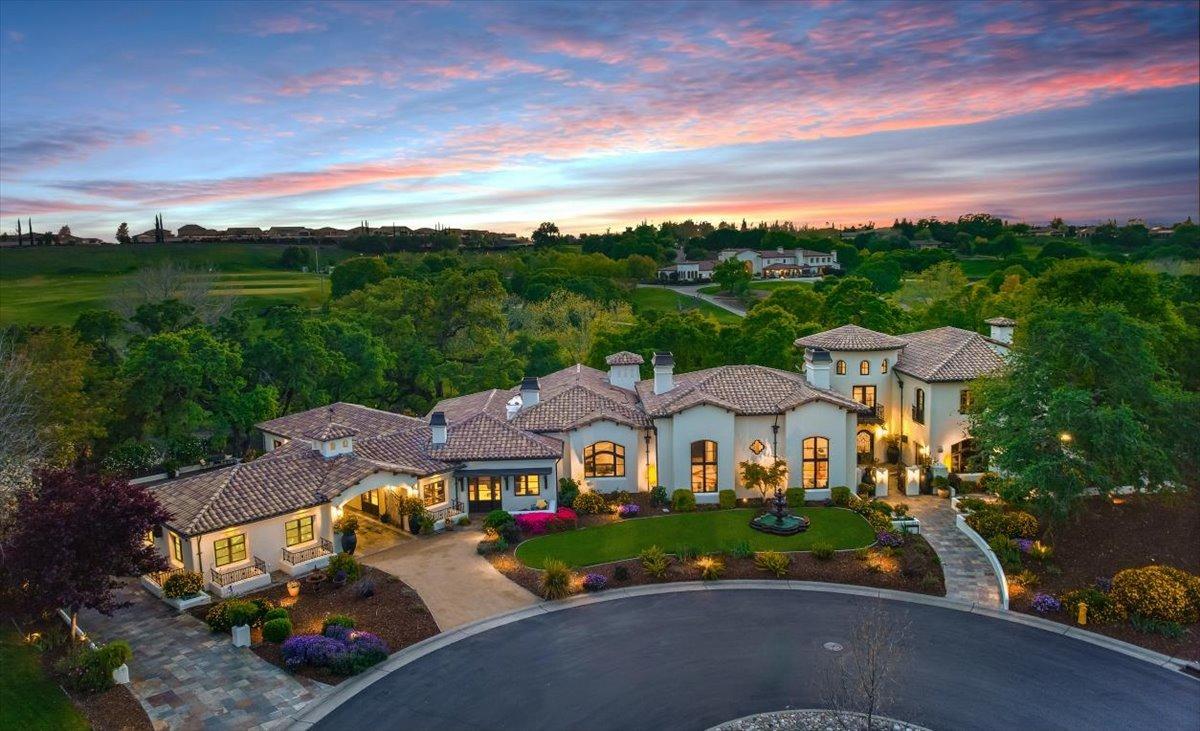
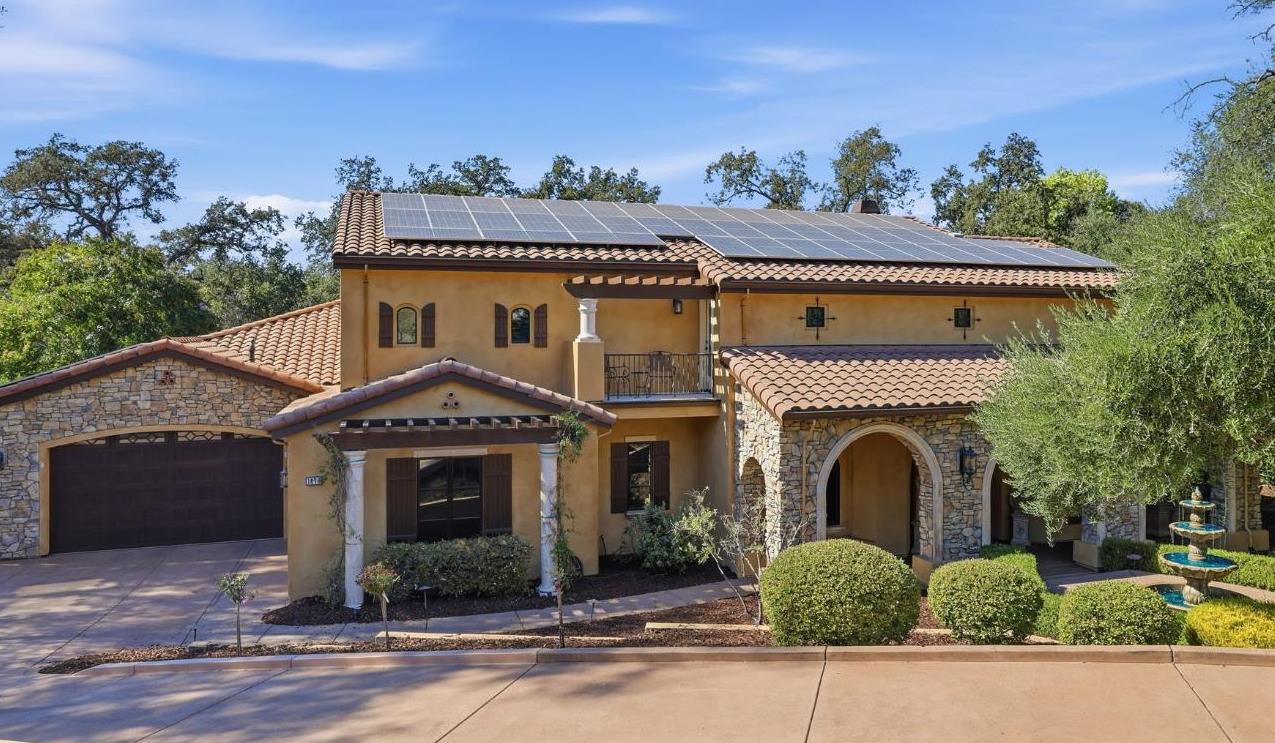
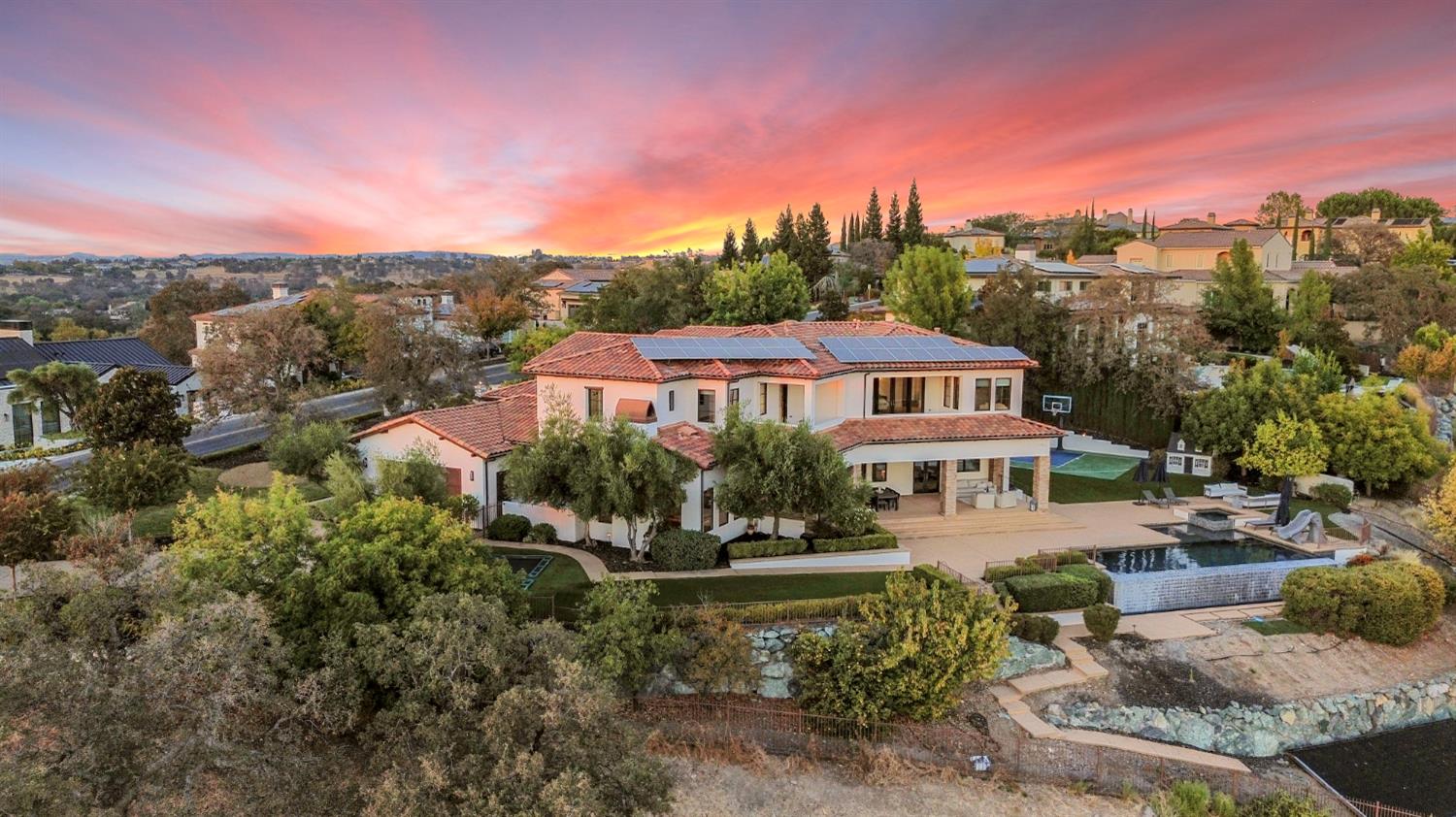
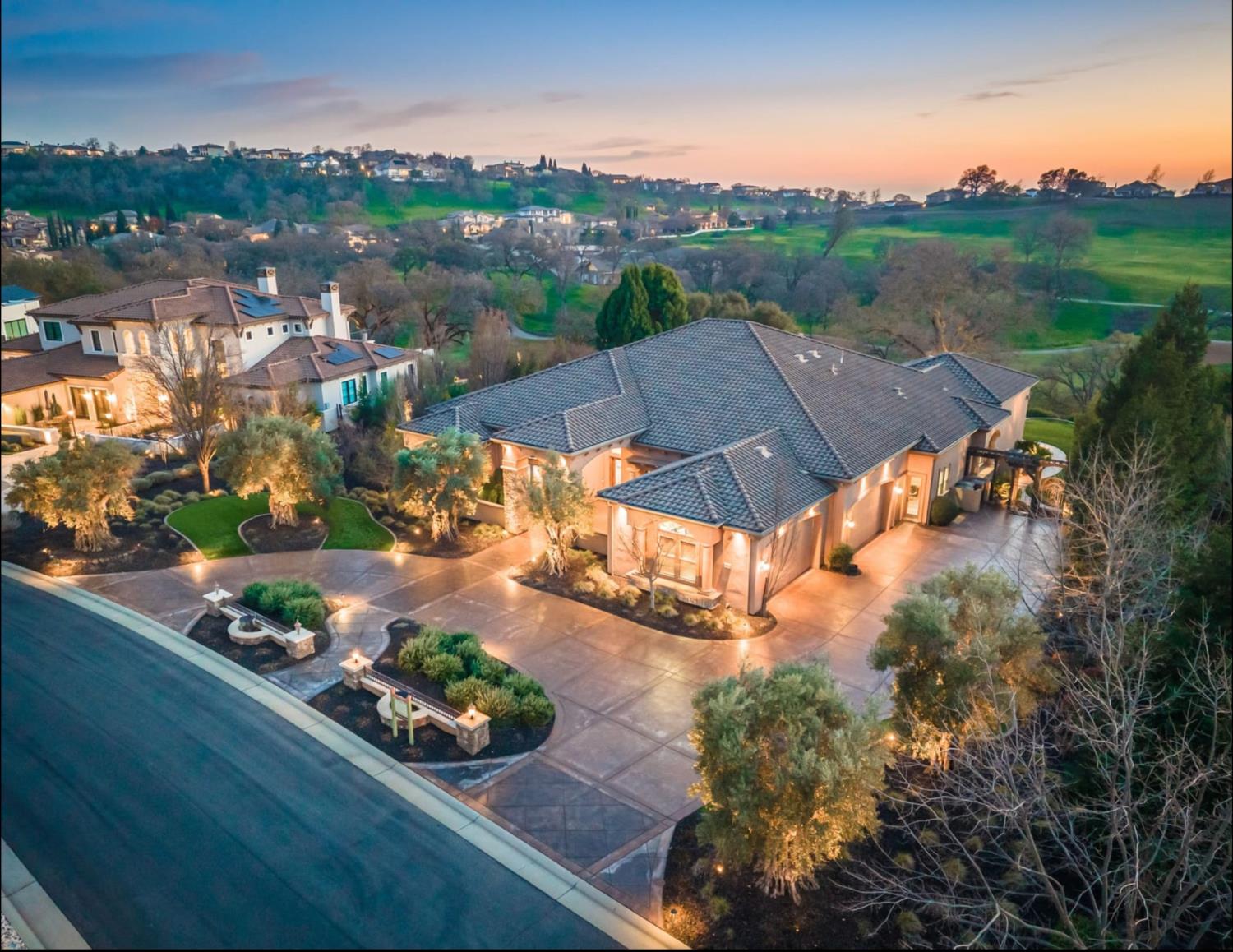
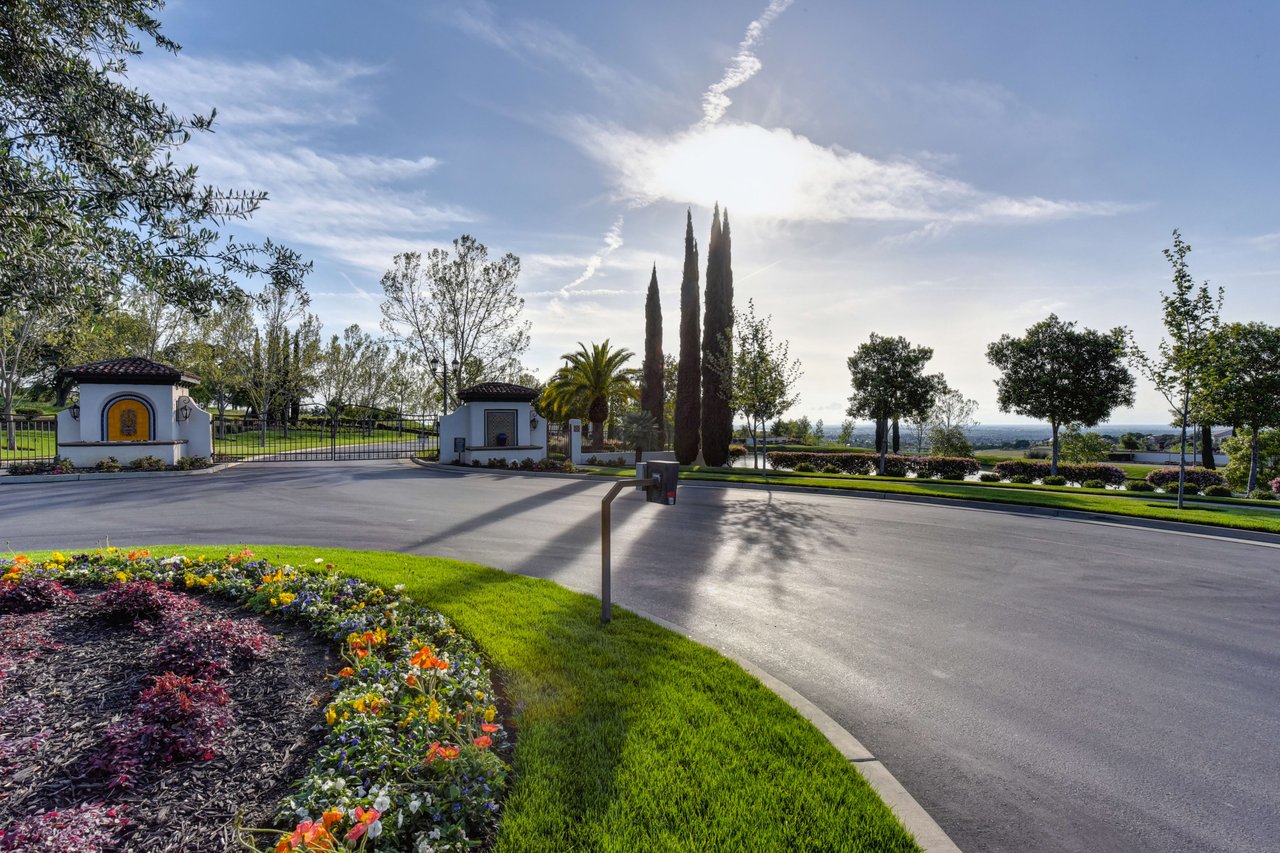
At the luxury end of the market, Verdera surrounds Catta Verdera Country Club and includes gated neighborhoods, premium production homes, semi-custom residences, and substantial custom estates. Larger lots, rolling terrain, mature landscaping, golf-course settings, and distinctive custom architecture characterize many of these properties.
Just beyond Lincoln's city limits, Bickford Ranch is one of the most significant new additions to the greater Lincoln housing market. Located in unincorporated Placer County between Lincoln, Penryn, and Newcastle, the approximately 1,928-acre master-planned community is planned for 1,890 homes along with extensive open space, parks, trails, and recreational amenities. New-home opportunities include traditional residential neighborhoods, larger and higher-end homes, and Trilogy Bickford, a 55+ resort-style community. Although Bickford Ranch carries a Lincoln address, buyers should understand that it is governed by Placer County rather than the City of Lincoln.
Beyond these communities, Lincoln and the surrounding countryside offer an entirely different type of property. Acreage, ranches, equestrian properties, custom homes, barns, workshops, orchards, and larger country estates can all be found within the greater Lincoln area. This gives buyers an unusually broad range of choices, from historic Victorians and established neighborhoods to new construction, active-adult communities, golf-course homes, luxury estates, and rural acreage.
Lincoln's population was estimated at approximately 57,400 residents in 2025, representing growth of more than 15% from its 2020 population base. Approximately 23% of residents are under age 18, while 27% are age 65 or older. The substantial older population is influenced in part by Sun City Lincoln Hills, one of the largest residential communities in the city.
The latest Census Bureau data reports a median household income of approximately $112,000 and a mean commute of approximately 30 minutes. Lincoln's continued residential growth has been accompanied by additional retail, healthcare, hospitality, construction, education, and service-sector employment within the city.
Residents also work throughout the larger South Placer and Sacramento economies in healthcare, education, government, technology, construction, engineering, professional services, finance, sales, management, and other fields. Roseville and Rocklin provide particularly accessible employment centers, while Sacramento expands the range of government, healthcare, professional, and corporate opportunities. Lincoln's combination of local growth and regional access allows residents to live in a community with considerably more open space while remaining connected to the major employment centers of South Placer County and Sacramento.