Choosing between a brand-new home and a resale home in Folsom is not just about age. It is really about how you want to live, what kind of neighborhood feel you want, and how much flexibility you need after closing. If you are weighing both options, this guide will help you compare the tradeoffs that matter most in Folsom so you can make a more confident decision. Let’s dive in.
Folsom offers two very different paths
Folsom gives you a clear split between newer growth areas and older, more established neighborhoods. On the newer side, the city’s 3,520-acre Folsom Plan Area south of Highway 50 includes Broadstone Estates, Enclave at Folsom Ranch, Folsom Heights, Mangini Ranch, Russell Ranch, and White Rock Springs Ranch, with plans for roughly 11,000 homes over the next 25 to 30 years.
On the resale side, you will find older neighborhoods with more variation in lot size, street feel, and home style. The Historic District stands out in particular as an eight-block area with its own zoning and design standards, which creates a very different ownership experience from many newer master-planned communities.
That contrast matters because Folsom is also a competitive market. Redfin reported a March 2026 median sale price of $799,000 with a 14-day median days on market, while Zillow reported an average home value of $767,835 and homes going pending in around 9 days as of April 30, 2026.
Why buyers choose new construction
New construction in Folsom often appeals to buyers who want a more current starting point. California’s current Energy Code requires solar photovoltaic systems for newly constructed buildings, and newly built single-family homes that do not install a battery must meet battery energy storage system ready requirements.
In practical terms, that means many new homes begin with a more up-to-date efficiency baseline than older homes. For buyers focused on newer systems, lower maintenance risk at move-in, and modern layouts, that can be a strong advantage.
Another draw is the structure of the buying process. The California Department of Real Estate says builders must provide a public report before you are obligated to purchase, and that report includes material information such as CC&Rs, HOA and common-area costs, assessments, and related disclosures.
That can make it easier to review the rules and recurring costs upfront. If community improvements are incomplete, the subdivider must also show adequate financial arrangements for completion, which adds another layer of visibility for buyers purchasing in a developing neighborhood.
What new construction can look like in Folsom
Folsom’s new-home options are not all the same. Current examples show a wide range of product types, price points, and lot configurations.
Sendero at Folsom Ranch currently offers homes from about 1,566 to 1,870 square feet starting around $532,681. Community information also shows a more grid-like, amenity-oriented setting with ready-to-build homes.
Other examples highlight how lot size can differ from older neighborhoods. A current Esquire at Folsom Ranch listing showed a 4,115-square-foot lot, which reflects the more compact homesite pattern common in some newer communities.
For buyers looking for age-restricted housing, Regency at Folsom Ranch is a gated 55-plus community with 919 homes across 275 acres, with home collections ranging from about 1,398 to 2,441 square feet. That kind of variety means the phrase new construction can cover very different lifestyles and budgets even within the same area.
The tradeoffs of buying new
The biggest misconception about a new home is that it is worry-free. The Department of Real Estate advises buyers to inspect electrical, plumbing, and structural integrity and to budget for maintenance and unexpected repairs even when purchasing a newly built property.
You also need to understand the stage of the neighborhood itself. City project pages show that parts of the Folsom Plan Area, including Mangini Ranch Trails and Regency Trails, are still being built out.
That means you may be buying into a community that is still maturing. You could enjoy newer amenities and infrastructure, but you may also live near ongoing development, future phases, or incomplete neighborhood build-out for a period of time.
Why buyers choose resale homes
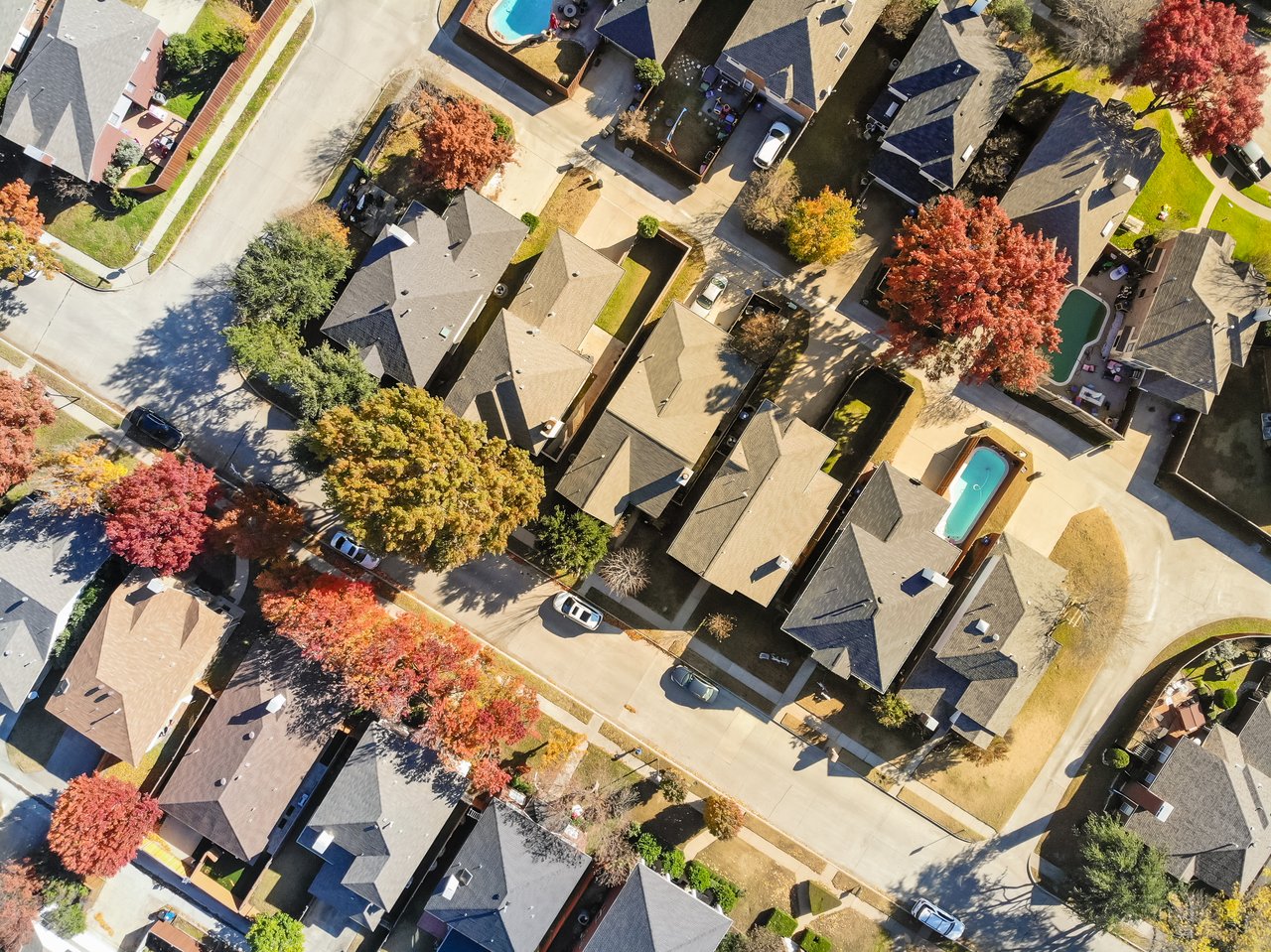
Resale homes often win on character, lot size, and neighborhood maturity. In established parts of Folsom, you are more likely to see mature landscaping, varied architecture, and homesites that feel less uniform.
Recent examples in American River Canyon showed lots of 0.27 and 0.36 acres, while a Folsom Heights listing showed 8,269 square feet. Those lot sizes are notably larger than many compact homesites and attached-product formats found in newer Folsom Ranch communities.
That extra land can change how a property lives day to day. You may get more backyard space, more distance between homes, and a streetscape shaped by years of growth rather than recent construction.
For some buyers, that established feel is the deciding factor. If you care most about trees, larger lots, and a neighborhood that already feels finished, resale can be the stronger fit.
Historic District resale comes with a process
The Historic District is one of Folsom’s clearest examples of the resale tradeoff. The city says the district uses zoning regulations and design-development standards to preserve historic character, and additional rules apply to ADUs and other exterior changes.
That matters if you are buying with renovation plans in mind. Commission-level design review generally takes at least 2 to 3 months, and larger additions or new custom homes can require that higher level of review.
So while a Historic District home may offer location and character, exterior work can take more time and involve more review than a similar project in a newer neighborhood. If you value flexibility to remodel quickly, you will want to factor that into your decision before you buy.
Costs matter beyond the mortgage
Whether you buy new or resale, the monthly payment is only part of the picture. The Department of Real Estate advises buyers to look for special taxes, assessments, and HOA dues as part of the true cost of ownership.
In Folsom, that is especially important because the city says its 30 Landscaping & Lighting districts are funded through assessments paid by property owners to maintain streetscapes, streetlights, parks, trails, and open space. Mello-Roos special taxes are also liens on real property and are commonly used to help finance roads, sewer and water systems, parks, and maintenance.
This is one reason a lower base price does not always mean a lower overall cost. Before you move forward with any home, you should confirm exactly what is included in the monthly and annual ownership picture.
Timing can differ more than you expect
Timeline is another major difference between new construction and resale. With new construction, you may find a quick move-in home, a ready-to-build homesite, or a future phase that takes longer to deliver.
With resale, you usually avoid a construction timeline, but that does not always mean a smoother path. Older homes can still bring inspection findings, repair negotiations, or post-closing renovation plans that affect your move-in schedule.
In a fast-moving market like Folsom, timing can influence your decision just as much as price or style. If your move has a hard deadline, it is worth comparing not just the home itself, but the realistic path to getting your keys.
How Folsom buyers can compare options
If you are deciding between new construction and resale in Folsom, a simple side-by-side review can help:
| Factor | New Construction | Resale Home |
|---|---|---|
| Energy features | Typically starts with current code requirements, including solar PV | May have older systems and varying upgrade levels |
| Neighborhood feel | Often master-planned and still growing in some areas | Usually more established with mature landscaping |
| Lot size | Often more compact in many newer communities | Often more varied, with some larger lots |
| Disclosures | Builder public report includes CC&Rs, HOA costs, assessments, and related details | Traditional resale disclosures vary by property condition and history |
| Move-in timing | Can range from quick move-in to future construction phase | Usually avoids build time but may involve repairs or updates |
| Remodeling flexibility | Depends on community rules and builder setup | Can offer flexibility, though Historic District properties may have added review |
A practical checklist before you decide
Before removing contingencies or committing to a purchase, make sure you have answers to the details that affect your budget and plans:
- Request the DRE public report, CC&Rs, and any disclosure of special taxes or assessments.
- Confirm whether the monthly cost includes HOA dues, Mello-Roos, and any city landscaping and lighting assessment.
- If buying new, ask whether the home is move-in ready, a ready-to-build homesite, or part of a future phase.
- If buying new, verify which solar and energy-code features are included in the base price.
- If buying in the Historic District, confirm whether exterior changes, additions, ADUs, or signage will trigger design review and how long that process may take.
- If long-term fit matters most, weigh code-current features and planned amenities against lot size, mature landscaping, and neighborhood character.
Which option fits your goals best
In Folsom, new construction is often the better match if you want current systems, a more structured builder disclosure process, and a master-planned environment. Resale is often the better match if you want larger lots, established trees, and a neighborhood with more character and maturity.
Neither option is automatically better. The right choice depends on whether you value newness and convenience more than land, location, and an already-settled neighborhood feel.
If you want help comparing Folsom neighborhoods, reviewing ownership costs, or narrowing down the right fit for your move, Brian Perry & Brian Perry Real Estate Group offers a relationship-first, concierge-level approach backed by deep local market knowledge.
FAQs
How competitive is the Folsom housing market?
- Folsom remains competitive, with Redfin reporting a March 2026 median sale price of $799,000 and 14 median days on market, while Zillow reported homes going pending in around 9 days as of April 30, 2026.
What makes new construction homes in Folsom appealing?
- New construction often offers current energy-code features, including required solar PV, plus builder public reports that outline key details like CC&Rs, HOA costs, and assessments before you are obligated to buy.
What are the main advantages of resale homes in Folsom?
- Resale homes often offer larger or more varied lot sizes, mature landscaping, and more established neighborhood character than many newer communities.
What should buyers know about Folsom Historic District homes?
- Historic District homes may have added rules for exterior changes, ADUs, additions, and similar projects, and commission-level design review generally takes at least 2 to 3 months.
Do new construction homes in Folsom still need inspections?
- Yes. The California Department of Real Estate advises buyers to inspect electrical, plumbing, and structural integrity and to budget for maintenance and unexpected repairs even with newly built homes.
What extra ownership costs should buyers check in Folsom?
- Buyers should confirm HOA dues, Mello-Roos special taxes, and any Landscaping & Lighting district assessments because those costs can materially affect the total cost of ownership.