Wondering whether life in Sacramento itself or life in the suburbs fits you better? It is a common question, especially if you are balancing commute time, housing style, walkability, and school logistics all at once. The good news is that this is not about finding one universally better option. It is about choosing the daily rhythm that feels right for you. Let’s dive in.
Start With Your Daily Routine
The clearest difference between Sacramento and its suburbs is how your day-to-day life feels.
If you picture grabbing coffee, running errands, meeting friends, and getting around without always using your car, Midtown stands out. Walk Score rates Midtown at 94 for walkability, 53 for transit, and 99 for biking. It also notes that daily errands do not require a car and lists about 216 restaurants, bars, and coffee shops in the area.
East Sacramento offers a different version of city living. It is still meaningfully walkable, with a Walk Score of 72, a Transit Score of 36, and a Bike Score of 88. Compared with Midtown, East Sacramento tends to feel more residential while still giving you access to neighborhood amenities and a more connected in-town lifestyle.
By contrast, Roseville, Rocklin, Folsom, and Elk Grove are more suburban on average. Their citywide Walk Scores are 38, 34, 31, and 32, respectively. That does not mean every part of those cities feels the same, but it does mean most daily routines there are more car-dependent.
Compare Sacramento Neighborhood Character
Lifestyle is not just about location on a map. It is also about the physical feel of the neighborhood around you.
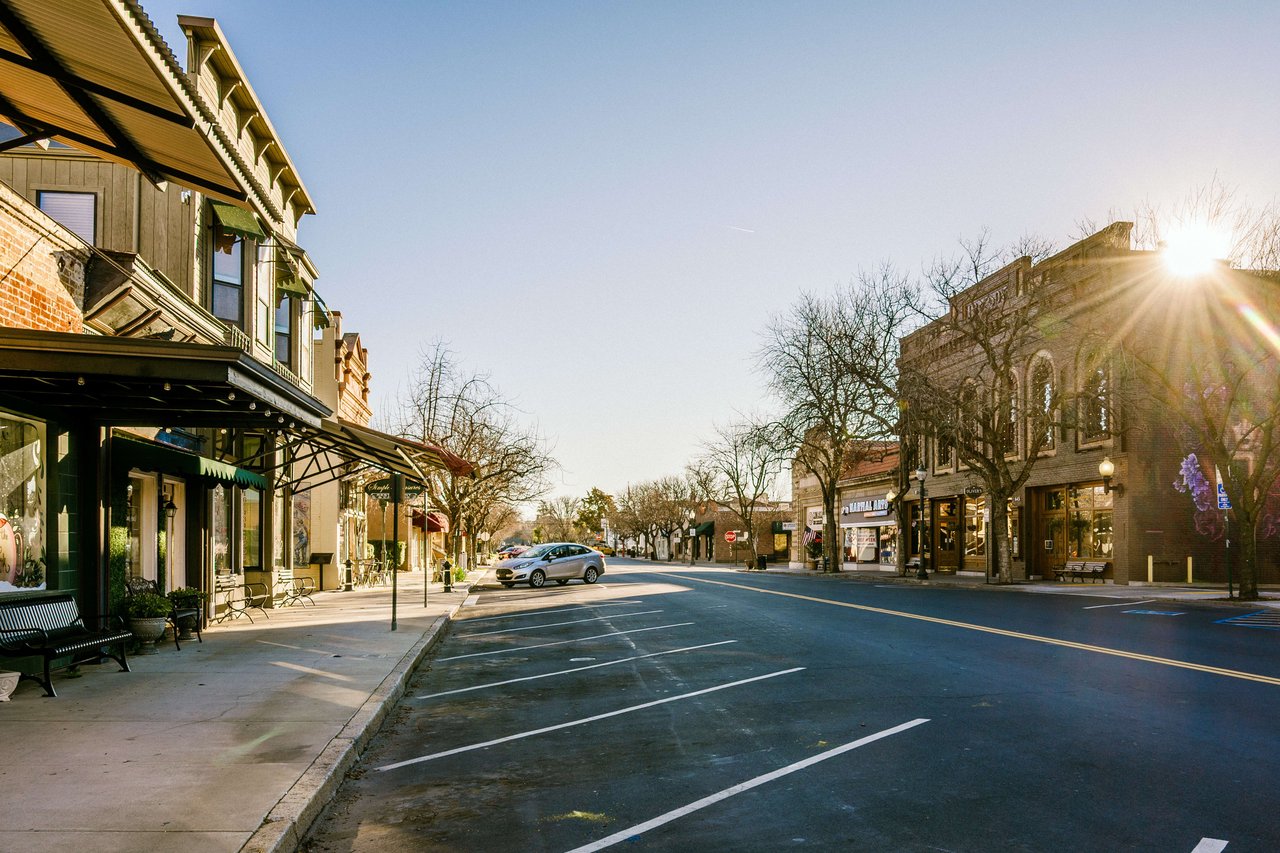
Midtown is known for tree-lined streets, homes and buildings from different eras, and newer loft and mixed-use development. The result is a dense, active environment with a mix of residential and commercial spaces. If you want energy, convenience, and variety close at hand, Midtown fits that picture well.
East Sacramento has a more preservation-oriented identity. Local planning and neighborhood documents describe the area through its historic housing stock and long-standing neighborhood character. If you like the idea of living in a place that feels established and residential, but still more connected than a typical suburb, East Sacramento may be a strong match.
The suburban cities in this comparison generally offer a more conventional residential setup. In many areas, that means a stronger owner-occupied feel and neighborhoods built around driving rather than walking. For many buyers, that suburban rhythm is exactly the point.
Think About Commute Reality
A lot of buyers assume the suburbs automatically mean an easier commute. The data shows it is not that simple.
According to Census QuickFacts, Sacramento’s mean travel time to work is 25.3 minutes. The comparable averages are 27.3 minutes in Roseville, 26.1 minutes in Rocklin, 26.6 minutes in Folsom, and 30.8 minutes in Elk Grove. Those averages suggest your actual destination matters more than whether an address is technically in the city or the suburbs.
If you work in or near downtown Sacramento, Midtown or East Sacramento may help reduce the friction of daily travel, especially if walkability or biking matters to you. If you work remotely, split time between home and office, or commute to a suburban employment center, a suburban base may make just as much sense.
The best way to think about commute is not mileage alone. Think about your route, your schedule, and how much driving you want built into your week.
Look Beyond Citywide Averages
One of the biggest mistakes buyers make is treating entire cities as if they all feel the same.
In reality, suburban walkability can be very pocket-specific. Roseville includes locations with Walk Scores of 53 and 72. Rocklin includes Sunset West at 53, while places like Whitney Ranch score much lower. Folsom has a Historic Folsom location at 85, even though the citywide average is 31. Elk Grove also has somewhat more walkable pockets, including Laguna Park and Laguna Creek West.
Transit access can also show up in specific spots rather than across a whole city. Walk Score pages note Capitol Corridor access in parts of Rocklin and Roseville, and Historic Folsom sits near the Gold line. So even if you lean suburban, you may still be able to find a more connected pocket if that matters to you.
Understand Housing Patterns
Housing type and ownership patterns often shape your experience just as much as lifestyle amenities.
Sacramento city has an owner-occupied housing rate of 51.7%, a median owner-occupied home value of $506,300, and a median gross rent of $1,779. In the suburban cities, owner-occupied rates are higher across the board: 68.8% in Roseville, 68.3% in Rocklin, 69.7% in Folsom, and 73.8% in Elk Grove.
Median owner-occupied home values are also higher in the suburban cities included here. Roseville comes in at $661,400, Rocklin at $703,400, Folsom at $755,200, and Elk Grove at $630,100. That pattern points to suburban markets that are more owner-occupied overall, while Sacramento city has a more mixed housing profile.
This does not tell you exact lot size, bedroom count, or floor plan style. But it does give you a useful framework. If you want a more urban, mixed-use setting, Sacramento neighborhoods like Midtown and East Sacramento align with that. If you want a market that trends more heavily toward ownership-focused suburban living, the suburbs may be the better fit.
Consider School Logistics Early
If schools are part of your decision, it helps to focus on logistics, not just labels.
In Sacramento City Unified, neighborhood schools are assigned by residence, and families can also use open enrollment, specialty program, or permit pathways. The district says it has 81 public K-12 schools, including 15 charter schools. That means your address matters, but so do your options and enrollment process.
Roseville has a split structure that many relocating buyers need to understand early. Roseville City School District serves preschool through 8th grade across 21 schools, while Roseville Joint Union High School District serves more than 11,000 students across six comprehensive high schools plus additional options. That can work well, but it is a different setup from a single-district system.
Rocklin Unified lists 17 schools and provides a school locator for boundary questions. Folsom Cordova Unified says new-student enrollment happens through the home-boundary school and choice applications, and its school list includes 21 elementary schools, 4 middle schools, and 3 comprehensive high schools, along with alternative programs. Elk Grove Unified covers 320 square miles and includes 62 traditional public schools, 5 alternative education schools, an adult school, 1 charter school, and a virtual academy.
For many families, the real question is not simply city versus suburb. It is whether you want one district system or a split system, how much boundary research you are willing to do, and whether choice pathways matter to you.
Which Lifestyle Fits You Best?
If you are still unsure, it helps to match your priorities to the kind of environment that supports them.
Choose Midtown if you want walkability
Midtown is the strongest fit if you want to do daily errands without relying on a car. It also makes sense if you enjoy a dense neighborhood with lots of nearby dining and coffee options. For buyers working in central Sacramento, it can also support a lower-stress daily routine.
Choose East Sacramento if you want balance
East Sacramento may be your fit if you want a more residential atmosphere without giving up in-town convenience. It offers stronger walkability than the suburban cities in this comparison, but typically with a quieter feel than Midtown. For many buyers, that balance is the appeal.
Choose Roseville or Rocklin for suburban routine
Roseville and Rocklin make sense if you want a suburban base with higher owner-occupancy and a more conventional residential feel. They can be especially appealing if your priorities center on ownership, daily routine, and school structure. Just remember that walkability varies by neighborhood, not just city name.
Choose Folsom for a higher-priced suburban mix
Folsom may fit if you want a suburban market with higher median home values and a notable historic core pocket. It still reads as suburban overall, but Historic Folsom offers a more connected feel than the citywide averages suggest. That makes it a useful middle-ground option for some buyers.
Choose Elk Grove for ownership-focused living
Elk Grove stands out for very high owner-occupancy. It can appeal to buyers who want a large suburban city and are comfortable with a more car-dependent routine. Based on the citywide commute averages in this comparison, it also comes with the longest average travel time to work, so that tradeoff is worth weighing carefully.
Ask Yourself These Questions
When you strip away the labels, your decision usually comes down to a few core preferences:
- Do you want to walk to more of your daily stops?
- Do you prefer a dense neighborhood or a quieter suburban pattern?
- How much driving feels reasonable in a normal week?
- Does your work location favor central Sacramento or a suburban base?
- Are school boundaries, enrollment pathways, or district structure a major factor?
- Do you want historic character, mixed-use convenience, or a more conventional ownership-focused setting?
If you answer those questions honestly, your best fit often becomes much clearer.
The Bottom Line
Sacramento versus the suburbs is not a winner-take-all decision. Midtown and East Sacramento offer the strongest urban lifestyle options in this market, especially if walkability, biking, and neighborhood character matter most. Roseville, Rocklin, Folsom, and Elk Grove offer a more suburban pattern overall, with stronger owner-occupancy and a few walkable pockets depending on the area.
The right choice is the one that matches how you actually want to live each day. If you want help comparing neighborhoods across Greater Sacramento with a practical, local lens, Brian Perry & Brian Perry Real Estate Group can help you weigh the tradeoffs and narrow in on the right fit.
FAQs
What is the most walkable neighborhood in Sacramento?
- Midtown is the most walkable Sacramento neighborhood in the research provided, with a Walk Score of 94, a Transit Score of 53, and a Bike Score of 99.
Is East Sacramento more suburban or urban?
- East Sacramento is more urban than the suburban cities in this comparison, but it typically feels more residential and quieter than Midtown.
Are Roseville, Rocklin, Folsom, and Elk Grove all car-dependent?
- On average, yes. Their citywide Walk Scores are lower than Midtown and East Sacramento, although each city has some more walkable pockets.
Is commuting from the suburbs always faster than living in Sacramento?
- No. Census QuickFacts shows Sacramento at 25.3 minutes mean travel time to work, compared with 27.3 in Roseville, 26.1 in Rocklin, 26.6 in Folsom, and 30.8 in Elk Grove.
How do school assignment systems differ across Sacramento-area cities?
- Sacramento City Unified assigns neighborhood schools by residence and also offers open enrollment, specialty program, and permit pathways, while suburban districts may use different boundary systems or split elementary and high school districts, as in Roseville.
Which Sacramento-area suburb has the highest owner-occupancy rate in this comparison?
- Elk Grove has the highest owner-occupancy rate in this group at 73.8%, based on the research provided.